
Bigger Isn’t Always Better… But Sometimes It Is
In a world obsessed with bigger, faster, and more, it’s easy to assume that bigger is always better. But the truth is more nuanced. While downsizing and minimalism have become popular trends that emphasize quality over quantity, there are moments when bigger truly does make a significant difference. From home living to personal comfort, knowing when to choose size over compactness can elevate your lifestyle in surprising ways. For example, many people ask: should you choose a King or Cal King mattress in 2025? This decision highlights how size matters when it comes to rest and relaxation—sometimes, bigger is simply better.
When Bigger Isn’t Better
Let’s start with why bigger often doesn’t mean better. Larger things can be more expensive, harder to manage, and less energy efficient. Consider technology, for example. A massive TV might sound impressive, but if your room is small, the viewing experience can quickly become overwhelming or uncomfortable. Similarly, larger cars often mean higher fuel consumption and more challenging parking in tight urban spaces.
In living spaces, oversized furniture can crowd a room, reducing comfort and flow. Bigger also doesn’t always guarantee better quality—sometimes it’s just more stuff. This is why minimalism and downsizing have gained traction as lifestyles that help reduce clutter, save money, and encourage sustainability.
But Sometimes Bigger Is Better: The Comfort Factor
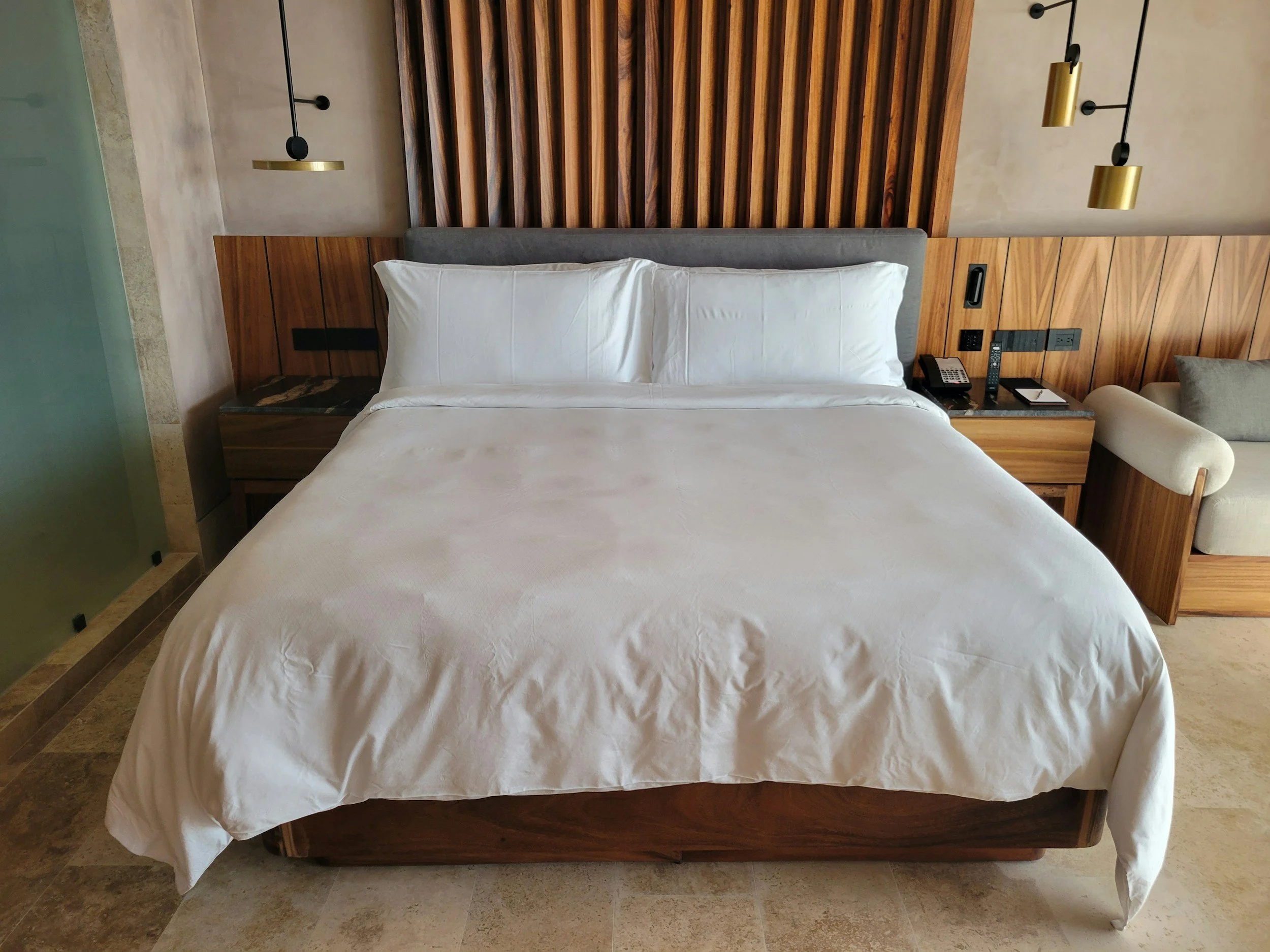
While minimalism has its merits, there are key situations where size really counts — especially when it comes to comfort and functionality. Take mattresses, for instance. Choosing between a King or Cal King mattress is a prime example where bigger can enhance sleep quality and overall well-being. Larger mattresses provide more personal space, reduce disturbances from restless partners, and allow greater freedom of movement. For taller individuals, a Cal King’s extra length can prevent feet from hanging off the edge, improving sleep posture.
This illustrates a larger truth: in certain areas, bigger isn’t just about size—it’s about quality of life. A bigger mattress, for example, can mean better sleep, which translates into better health, mood, and productivity.
Bigger Living Spaces for Mental and Physical Wellbeing
In homes, bigger often means more freedom and flexibility. A larger living area lets you create zones for different activities: work, play, relaxation, and socializing. This separation helps maintain a healthy balance between productivity and downtime. Ample space also encourages better organization, reducing stress caused by clutter.
Moreover, during times when many are working remotely, having a dedicated, spacious home office can significantly improve focus and work-life balance. While a small, cramped room might force you to blur boundaries, a bigger room can create physical and mental separation that enhances your day-to-day living.
The Role of Bigger in Technology and Entertainment
In entertainment technology, bigger screens and sound systems often provide a more immersive experience. Movie enthusiasts and gamers benefit from larger monitors or TVs because the wider field of view pulls them into the action. However, this advantage depends on the viewing distance and room size. For example, a 75-inch TV in a tiny living room can be overwhelming, while the same TV in a spacious media room feels just right.
Similarly, bigger smartphones or tablets allow for easier typing, better video watching, and enhanced multitasking. The trade-off is portability, so the best size depends on individual preferences and how you use your device.
Storage Solutions: Bigger for Organization
Bigger storage options can solve many problems, especially for families or those with hobbies requiring lots of gear. Larger closets, cabinets, and shelves help keep belongings neatly arranged, making it easier to find what you need and maintain a tidy space.
In the digital world, bigger hard drives and cloud storage plans enable you to save more photos, videos, and documents without constantly worrying about running out of space. This frees your mind from digital clutter and enhances productivity.
When Bigger Can Be Overwhelming
It’s important to recognize that bigger isn’t always better, especially if it leads to impracticality or waste. Oversized furniture can make a room feel cramped rather than spacious. Huge vehicles can be difficult to park or maneuver. Massive appliances might use more energy than necessary.
The key is balance: assess your specific needs, space constraints, and lifestyle before opting for bigger. Sometimes, choosing the right-sized item that fits well into your environment offers the best combination of comfort and efficiency.
How to Decide When Bigger Is the Right Choice
Here are a few tips to help you decide if bigger is better for you:
Evaluate Your Space
Before buying large items, measure your room and visualize how they will fit. Avoid overcrowding.Consider Your Lifestyle
If you share your bed or workspace, bigger might mean more comfort. If you travel often, portability could trump size.Think Long-Term
Investing in bigger items like mattresses or storage can pay off in durability and functionality over time.Test It Out
Whenever possible, try before you buy. Lie down on mattresses, sit on furniture, or watch screens to see if the size feels right.Balance Cost and Benefits
Bigger often costs more, so weigh the advantages against your budget.
Conclusion: Bigger Isn’t Always Better, But It Can Be a Game-Changer
In today’s world, where choices abound, it’s important to remember that bigger isn’t a one-size-fits-all solution. Downsizing can bring simplicity, reduce expenses, and improve sustainability. Yet, when it comes to comfort, freedom, and enhancing your quality of life, bigger sometimes is better—and the difference can be significant.
Whether you’re deciding on home furniture, technology, or lifestyle upgrades, take the time to understand your specific needs and environment. For example, when pondering should you choose a King or Cal King mattress in 2025?, consider your height, sleeping habits, and bedroom size to find the perfect fit.
By embracing a thoughtful approach, you can enjoy the best of both worlds—making sure your choices support your comfort, wellbeing, and happiness, no matter the size.