Deep Cleaning Myths That Are Holding You Back
Introduction
There’s something satisfying about the idea of a truly clean home. But when it comes to deep cleaning, misconceptions are everywhere — and many of them can leave your home dirtier than you realize.
From overused DIY hacks to misunderstood techniques, these myths can make cleaning feel more confusing than it needs to be. Whether you clean your own space or hire professionals to help, understanding what’s fact versus fiction is essential to keeping your home fresh, healthy, and properly maintained.
Let’s take a look at some of the most common myths about deep cleaning and set the record straight.
Myth #1: If It Looks Clean, It Is Clean
Just because something appears tidy doesn’t mean it’s actually clean. Visual inspection alone isn’t enough to determine whether deep cleaning is needed. Many harmful substances—like bacteria, allergens, or mold spores—are invisible to the eye.
Carpets can hold layers of dust and pet dander even when they seem spotless. Kitchen counters may shine, but microscopic food particles can still attract germs. And bathrooms? Even those that smell pleasant can harbor mildew behind tiles or under sinks.
Deep cleaning goes beyond the surface to sanitize, scrub, and refresh the areas that often get missed during routine cleanups.
Myth #2: Bleach Cleans Everything
Bleach has a reputation for being a cleaning cure-all, but it’s actually more of a disinfectant than a true cleaner. That means it kills bacteria but doesn’t necessarily remove dirt or grime.
For bleach to be effective, surfaces need to be pre-cleaned with soap and water. Otherwise, it simply masks the problem. It also doesn’t work well on porous surfaces like wood or natural stone and can cause long-term damage if misused.
There are safer and more effective ways to approach deep cleaning, particularly when tackling different materials or surfaces. Knowing when and how to use certain products is key to doing the job right.
Myth #3: Vinegar Works on Everything
Vinegar is another cleaning staple that’s commonly misapplied. While it's great for cutting grease or removing hard water stains, vinegar should never be used on materials like marble, granite, or hardwood flooring.
The acid in vinegar can etch surfaces and break down sealants over time. This results in dull finishes or even permanent damage, especially when deep cleaning requires concentrated applications.
If you're ever unsure, always test a small area or check with a professional before using homemade solutions on sensitive materials.
Myth #4: Deep Cleaning Only Needs to Happen Once a Year
Many homeowners wait until spring to deep clean their homes, believing that once a year is enough. But depending on your household — especially if you have kids, pets, or frequent guests — an annual schedule may not cut it.
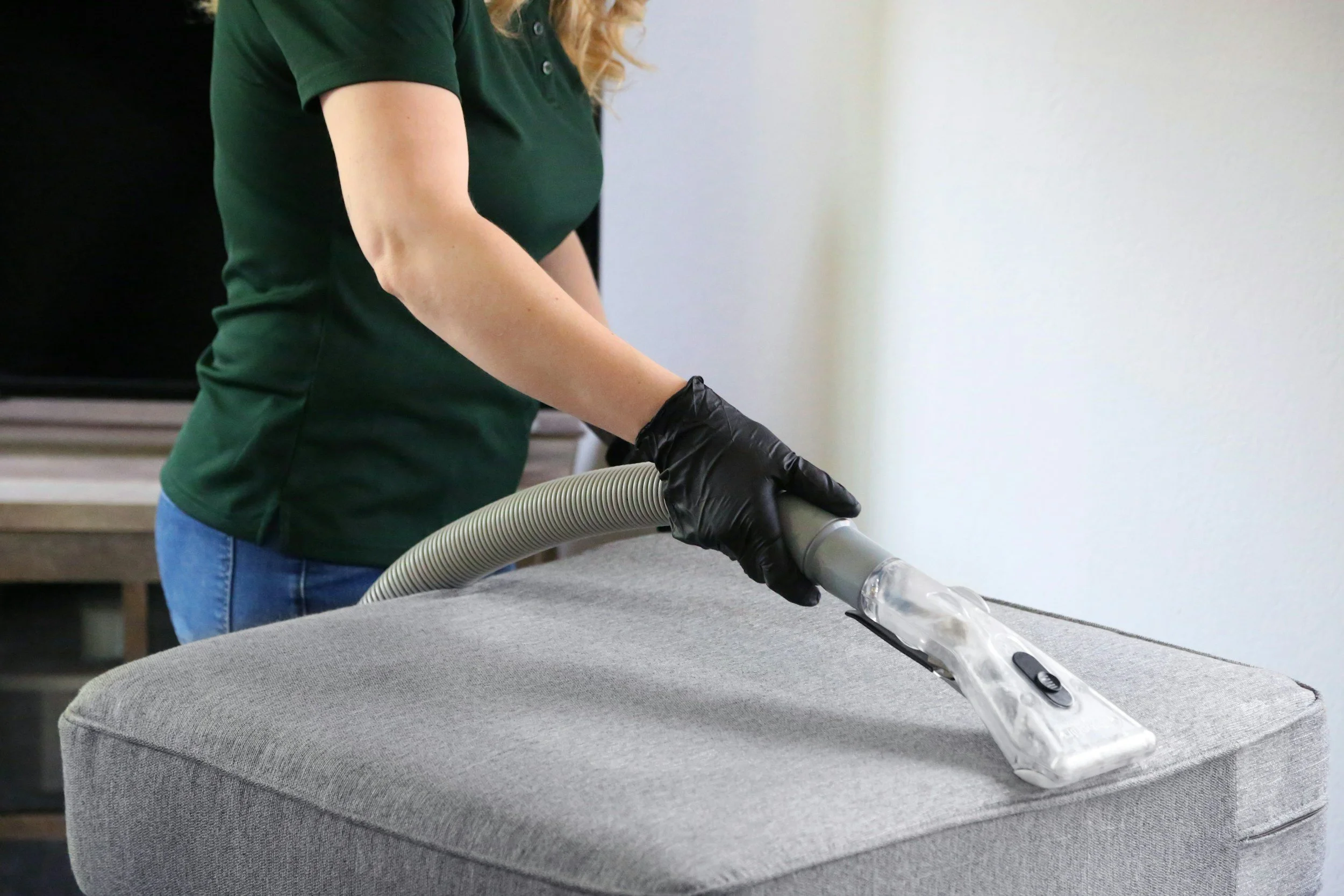
High-traffic areas, upholstered furniture, HVAC filters, and bathroom grout often require attention multiple times a year to stay clean and hygienic. Deep cleaning isn't a one-time event — it's a proactive way to prevent long-term buildup, wear, and odors.
Some experts suggest scheduling deep cleaning seasonally or quarterly for best results, adjusting based on your home’s size and usage.
Myth #5: Air Fresheners Are a Substitute for Clean Air
A home that smells clean isn’t necessarily clean. Air fresheners and scented sprays can mask odors, but they don’t remove the source of the smell — which could be mildew, pet dander, or accumulated dust.
True indoor air quality starts with removing pollutants, not covering them up. This includes vacuuming with HEPA filters, dusting vents, and washing fabrics like curtains and throw pillows. Deep cleaning addresses these sources, helping your home smell fresh naturally without relying on artificial fragrances.
Myth #6: Deep Cleaning Is Just for Big Homes
It’s easy to assume that deep cleaning only applies to large households or properties. In reality, even the smallest apartment can benefit from a thorough scrub-down.
Smaller spaces often collect clutter faster and circulate dust more rapidly. Kitchens and bathrooms in apartments may not have the ventilation systems of larger homes, leading to quicker grime accumulation. Deep cleaning in these spaces is just as important—if not more—due to tighter quarters and higher usage.
No matter the square footage, every home needs a reset from time to time.
Myth #7: You Can Deep Clean Everything in One Day
While a weekend cleaning sprint might leave your home feeling fresher, true deep cleaning takes time, planning, and effort. Trying to tackle every room in a single day often results in rushed work or missed areas.
A more effective strategy is to divide your tasks by room or category:
Day 1: Kitchen appliances and cabinets
Day 2: Bathroom tiles and fixtures
Day 3: Carpets and baseboards
Day 4: Light fixtures and ceiling fans
By pacing yourself or using a checklist, you’ll get a more thorough result with less stress. Many people find that hiring professionals once or twice a year helps ensure nothing gets overlooked.
Companies like Neat N Tidy House Cleaning of Phoenix understand the scope of a true deep clean and can help homeowners plan around their schedules without sacrificing thoroughness.
Myth #8: All Cleaning Services Provide Deep Cleaning
Another common misconception is that all house cleaners offer deep cleaning by default. In reality, many cleaning services provide general maintenance only—light dusting, floor mopping, and bathroom wipe-downs.
Deep cleaning involves more detailed work like scrubbing grout lines, washing baseboards, cleaning behind appliances, and treating tough stains or buildup. If you're hiring outside help, be sure to confirm what their service includes.
Some providers specialize in both, offering general cleaning on a recurring basis and deep cleaning as a periodic add-on. Clear communication helps ensure expectations are met on both sides.
Myth #9: You Have to Use Harsh Chemicals to Get a True Clean
It’s easy to associate the smell of bleach or ammonia with cleanliness, but harsh chemicals aren’t always necessary — and in many cases, they’re not the best option.
Today’s cleaning solutions include plant-based and non-toxic options that are just as effective when applied correctly. These alternatives are safer for children, pets, and individuals with allergies or respiratory issues.
When deep cleaning, choosing the right products is just as important as the technique. You can achieve a high standard of cleanliness without compromising your indoor environment.
Conclusion
Deep cleaning isn’t just about scrubbing harder or buying stronger products. It’s about knowing what needs attention, using the right methods, and avoiding common pitfalls that can waste time or damage your home.
By cutting through these common myths, homeowners can approach deep cleaning with confidence — and make smarter choices about how to maintain their space over time. Whether you manage it on your own or bring in professionals like Neat N Tidy House Cleaning of Phoenix, understanding the truth behind these cleaning misconceptions is the first step toward a fresher, healthier home.