
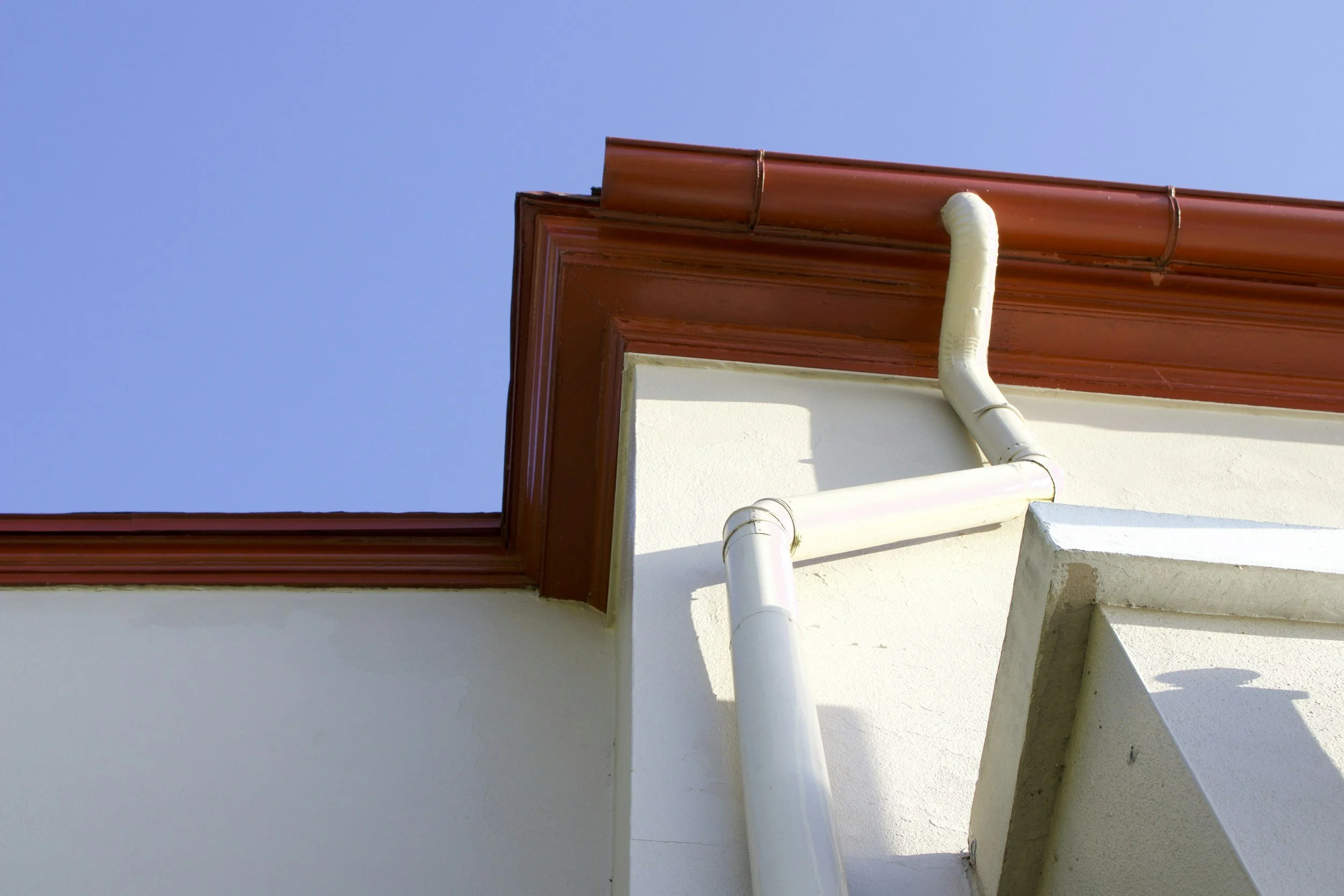
How Roof Pitch and Gutter Design Work Together to Protect Your Home
Introduction
Gutters may seem like a straightforward feature on a home, but when it comes to effective water management, there’s a lot more happening behind the scenes. One of the most overlooked elements of proper gutter function is how it works in harmony with your roof’s pitch.
The slope of your roof directly influences how fast rainwater flows toward the edge, how much volume is generated in a storm, and how much stress is placed on the gutter system. When the roof pitch is ignored in gutter design, it can lead to overflows, leaks, and long-term structural issues.
In this article, we’ll explore the critical relationship between roof pitch and gutter system design—and why working with a knowledgeable gutter company makes all the difference in protecting your home from water damage.
Why Roof Pitch Matters
Roof pitch refers to the steepness or angle of a roof, often described as a ratio (such as 6:12, meaning the roof rises 6 inches for every 12 inches of horizontal run). The steeper the pitch, the faster water will move across the roof surface and into the gutters.
Here’s how pitch influences gutter function:
Higher pitch = faster water runoff
Faster runoff = greater water force at the gutter edge
More force = higher demand on the gutter capacity and fastening system
A steeply pitched roof may require wider gutters, additional downspouts, or reinforcement to handle the volume and speed of water flow. A low-pitched roof, on the other hand, may drain slower, allowing debris to accumulate and potentially clog the system more easily.
Understanding this relationship is crucial to designing a system that functions well in all weather conditions—especially during heavy rainfall.
Matching Gutter Size to Roof Design
One of the first considerations a gutter company evaluates is the appropriate gutter size for your roof’s square footage and pitch. Standard residential gutters are usually 5 or 6 inches wide, but for high-pitch roofs or large surface areas, oversized options may be necessary.
For example:
A low-slope roof may be fine with standard 5-inch gutters and one downspout per 40 feet.
A steep-slope roof with the same square footage might need 6-inch gutters with downspouts placed closer together to prevent overflow.
Choosing the wrong size can lead to water spilling over the sides during storms, which can cause erosion, basement leaks, and damage to siding or foundation materials. This is why sizing is not a one-size-fits-all decision—it requires technical insight and customization.
The Role of Downspouts in Water Management
While gutters collect and direct water, downspouts are what safely carry it away from your home’s base. Their placement, size, and number must also consider roof pitch and overall water volume.
If a roof is steep and channels water rapidly, each gutter section needs enough downspout capacity to prevent backup. Inadequate downspout planning can result in:
Water pooling at entry points
Sagging or detached gutter sections
Splash-back that damages siding or landscaping
An experienced gutter company like Legacy Gutter Solutions understands how to map water flow across all parts of the roof to determine the best downspout strategy for each property. This includes assessing ground slope, drainage areas, and any obstructions that could affect runoff patterns.
Material Choices and Their Impact
The type of material used in your gutters also plays a role in performance—especially when roof pitch increases the velocity of water impact.
Common materials include:
Aluminum – lightweight and rust-resistant, but may dent under high water volume
Steel – strong and durable, but prone to rust if not properly coated
Copper – durable and stylish, but expensive and requires skilled installation
Vinyl – affordable but often not suitable for steep-pitch roofs due to structural limitations
Higher roof pitches may benefit from more durable materials that resist bending or loosening over time. The added force of water moving rapidly down the roof can place greater strain on fasteners and joints, making material strength a more critical factor.
Gutter Slope: A Silent Contributor
In addition to roof pitch, the gutter system itself must have a subtle slope—typically 1/4 inch per 10 feet—to ensure water flows toward the downspouts without pooling. When gutters are improperly installed level or pitched in the wrong direction, even a perfectly sized system will struggle to function.
This is especially important for homes with inconsistent rooflines or additions that change the natural water path. Without careful adjustment, gutters may fail to accommodate water properly at transition points, leading to weak spots or overflow zones.
This is another area where hiring the right gutter company is key. Professional installers understand how to calculate and measure gutter pitch to ensure optimal flow across every section of the roof.
Ice and Snow Considerations
For homes in colder climates, roof pitch and gutter performance become even more intertwined during winter. Steep roofs allow snow to slide off more quickly—but when the snow melts, the runoff can refreeze in the gutters, leading to ice dams.
These ice dams can:
Prevent water from draining
Force melted snow back under shingles
Damage gutters and fascia boards from expansion and weight
Preventing these issues may require gutter guards, heated cables, or reinforced hangers that can support added winter weight. These solutions must be tailored to the pitch and design of the roof to ensure safe, efficient function year-round.
Why Expertise Matters
While DIY solutions and off-the-shelf gutter systems may work for simple, standard roofs, any home with a unique pitch or layout requires a more detailed approach. The right system must be calculated and installed with the roof’s slope, drainage patterns, and environmental factors in mind.
A reputable gutter company brings not just the right tools, but the knowledge to assess these variables and make recommendations that will stand the test of time. Proper installation reduces the risk of future repairs, extends the life of your gutters, and safeguards the structural integrity of your home.
Legacy Gutter Solutions Inc is among the professionals who understand that roof pitch is not just a roof issue—it’s a water management issue. Their approach to system design takes every angle into account, helping homeowners stay dry and damage-free, season after season.
Conclusion
Your roof’s pitch plays a major role in how water is collected, redirected, and removed from your home. It influences gutter size, placement, material choice, and downspout configuration. Ignoring this factor during installation can lead to premature failures and costly water damage.
By working with a skilled gutter company that understands how pitch affects performance, you’ll ensure your system does more than just look good—it will function at the highest level. Protecting your home from top to bottom starts with smart planning from the edge of the roofline.