Emergency Roof Repairs: What to Do After Storm or Hail Damage
A storm has passed. The winds have died down, the sky has cleared, but your property may be left with more than just scattered debris. From dislodged shingles to punctured membranes and collapsed gutters, storm and hail damage can leave roofing systems compromised—and immediate action is essential.
Responding quickly after a weather event isn’t just about restoring appearances; it’s about preventing further interior and structural damage. For both residential and commercial roofing, knowing what to do in the critical hours and days after a storm makes a significant difference.
This guide outlines key steps property owners should take after storm or hail damage, helping mitigate risks and protect long-term roof performance.
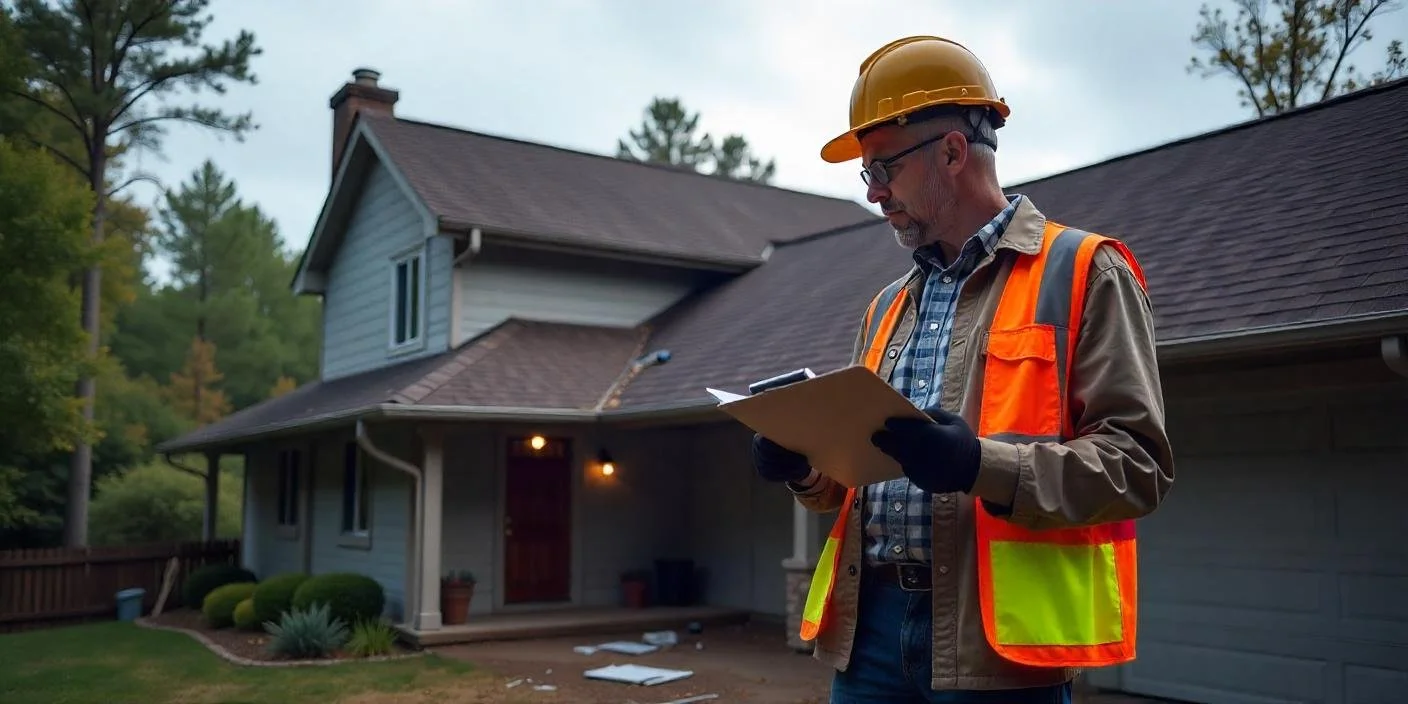
1. Safety First: Assess from a Distance
Even if the skies are clear, a post-storm environment can still be dangerous. Before rushing outside to inspect the damage, take a cautious approach:
Check the area for downed power lines, exposed nails, broken glass, or unstable structures
Look up before approaching. Overhanging tree limbs or partially detached roof sections may pose a hazard.
Avoid climbing onto the roof. Many roofing systems are weakened by impact or water intrusion and can give way under foot traffic.
Use binoculars or a drone for a preliminary visual inspection, especially if you suspect compromised materials or visible gaps.
2. Document the Damage
Photographic documentation is critical. Not only does it help determine the extent of damage, but it also supports insurance claims later on. Capture:
Missing shingles or tiles
Dented metal flashing or gutters
Obvious punctures or holes in the roof surface
Debris impact marks, particularly from hail
Water stains on ceilings or in the attic
Even minor damage should be recorded. What appears insignificant can evolve into a major issue if left unresolved.
3. Temporarily Protect the Interior
If you notice signs of active leaking inside your property, take immediate steps to protect belongings and structural elements:
Place buckets or containers under leaks
Move furniture and electronics away from affected areas
Use tarps or plastic sheeting to limit water spread
These short-term fixes won’t solve the underlying roofing issue, but they can reduce secondary damage to drywall, flooring, or electrical systems.
4. Understand the Nature of Storm and Hail Damage
Storms inflict a variety of damage types, each requiring a unique repair approach. Knowing the typical patterns helps in identifying issues:
Wind Damage: Often lifts shingles, leaving tabs or entire sections exposed.
Hail Damage: Can bruise or fracture shingles and dent metal flashing, often without being visible from ground level.
Water Damage: Includes hidden infiltration points around vents, chimneys, or roof seams that can saturate insulation and framing.
Falling Debris: Tree limbs can cause direct structural damage, cracking decking or perforating roofing materials.
Understanding these distinctions ensures you communicate clearly with contractors and insurance adjusters.
5. Contact a Reputable Roofing Contractor
Storm damage requires urgent attention, but avoid the temptation to hire the first contractor who knocks on your door. Instead:
Choose a local roofing company with a proven track record
Verify licensing and insurance coverage
Ask about emergency roof repair services
When speaking with professionals, transparency matters. A company like Pinnacle Roofing Group, for example, has established a reputation for helping clients navigate the aftermath of severe weather with informed assessments and honest guidance. Seeking support from experienced providers ensures not just repairs, but a restoration strategy built on quality and accountability.
6. Notify Your Insurance Provider
Once immediate risks are mitigated and you’ve chosen a contractor, the next step is to contact your insurance company. Provide them with:
Photos and video documentation
A written description of the damage
Any temporary repair actions taken
The contractor’s initial assessment, if available
Most insurers send adjusters to evaluate claims, so having your contractor present during that inspection can ensure a thorough review. Clear communication from the start improves the likelihood of a fair and timely claim resolution.
7. Secure Temporary Repairs if Needed
If the extent of damage requires time for parts or permits, your contractor may suggest temporary measures such as:
Installing tarps over exposed areas
Sealing compromised flashing
Reinforcing sections of the roof with temporary supports
These emergency fixes prevent worsening of damage while permanent repairs are being scheduled. Ensure that all temporary work is documented and agreed upon with your insurer before proceeding.
8. Plan for Long-Term Repairs
Once you’ve addressed immediate concerns and the claim process is underway, it’s time to plan your full roof repair or replacement. This may involve:
Replacing entire sections of shingles or membranes
Re-flashing and sealing vulnerable joints
Upgrading ventilation or drainage systems if damage exposed existing weaknesses
Use this opportunity to reassess the entire roofing system. Some property owners opt for a full roof replacement instead of piecemeal repairs, particularly when damage is widespread or the roof is nearing the end of its life expectancy.
Hiring experts in commercial roofing sarasota (or elsewhere) can ensure that long-term repairs or replacements are completed efficiently, using the right materials and techniques to extend the life of your roof.
9. Schedule a Post-Repair Inspection
After the work is completed, request a final inspection. This provides reassurance that repairs were done to standard and ensures your roof is ready for future weather conditions. Look for:
Proper alignment and fastening of materials
Flashing integrity and sealant application
Clean, debris-free gutters and drainage areas
Absence of moisture in attic or ceiling spaces
Confirm that your contractor has provided all warranties, invoices, and documentation for future reference.
10. Prepare for Next Time
Storms are inevitable. Preparing for the next event begins with lessons learned from the last.
Create an emergency roof repair kit: tarps, nails, gloves, flashlight, etc.
Keep your roofing contractor’s contact information readily accessible
Review and understand your insurance policy before you need it
Maintain seasonal roof inspections to catch potential issues early
For commercial properties, this planning might involve formalizing a response protocol or coordinating with building maintenance teams.
Key Considerations for Commercial Roof Systems
Storm response for commercial roofing systems introduces additional considerations:
Larger roof surface areas mean more opportunity for damage
Flat roofs may retain more water, increasing infiltration risks
Rooftop equipment (HVAC, solar panels, vents) adds complexity
For business owners, roofing downtime translates to operational disruptions. Swift emergency response becomes not only a matter of safety, but of protecting profitability. Make sure your commercial property has a plan in place and a reliable contractor on call.
Common Mistakes to Avoid
Even with the best intentions, property owners sometimes make errors that complicate repairs or delay recovery:
Ignoring minor damage, assuming it will not worsen
Failing to document early signs of trouble
Letting unauthorized individuals perform repair
Discarding damaged materials before insurance assessments
Delaying action until leaks become severe
Avoiding these mistakes ensures a smoother recovery process and maintains the integrity of your roofing system.
Conclusion
Storm and hail damage demand swift, informed action. From initial inspection to long-term restoration, each step plays a role in protecting your investment and ensuring safety. Having a plan in place—and knowing which professionals to call—can make all the difference in how effectively your property recovers.
Whether you’re dealing with a few missing shingles or extensive structural compromise, proactive response supported by trusted professionals is key. Pinnacle Roofing Group encourages property owners to be prepared, stay vigilant, and respond quickly when the skies clear. With the right approach, your roofing system can weather any storm and emerge stronger for it.