What Every Homeowner Should Know Before a Water Heater Installation
Installing a new water heater might seem like a straightforward job, but for most homeowners, it’s a decision that carries long-term consequences. From energy efficiency and water usage to system lifespan and installation logistics, a lot goes into getting it right. Whether you're replacing a failing unit or installing one for the first time, being informed before the process starts can help prevent stress, save money, and ensure the system performs the way you need it to.
When considering a water heater installation, it's crucial to also evaluate the overall efficiency of your home's heating system. A well-maintained furnace can significantly impact your energy bills and comfort levels. If you're experiencing inconsistent heating or suspect your furnace isn't performing optimally, it might be time to consult a professional. For those in the Louisville area, addressing potential issues early can prevent costly repairs down the line. It's wise to schedule regular maintenance checks and, if necessary, seek expert advice on furnace repair louisville to ensure your home remains warm and energy-efficient throughout the colder months. This proactive approach not only extends the life of your heating system but also enhances your home's overall energy efficiency.
If you're planning for a water heater installation in the near future, here's what you should consider before the plumber arrives.
Understand Your Water Heating Needs
Every household has different water demands based on lifestyle, home size, and the number of people living under one roof. An undersized system can leave you without hot water at the worst times, while an oversized unit may drive up utility bills unnecessarily.
Before committing to a new system, take note of how your household uses water:
How many bathrooms are in the home?
Are showers often used back-to-back?
Do you run multiple appliances (dishwasher, laundry) at the same time?
Sharing these habits with a licensed plumber will help them recommend the right tank size or even determine if a tankless system would be a better fit.
Know the Types of Water Heaters
Today’s market offers a range of water heater types, each with its own strengths. Before you move forward with a water heater installation, it’s helpful to understand your options:
Tank Water Heaters
The traditional option, storing hot water in a large tank that replenishes throughout the day. These are available in gas or electric models and are usually less expensive upfront.
Tankless Water Heaters
These systems heat water on demand, which means no storage tank and no energy spent heating unused water. While more efficient and compact, they can be more expensive to install.
Hybrid Systems
Also known as heat pump water heaters, these systems combine technology for better efficiency and performance. They're a good fit for homeowners interested in energy savings over time.
Not sure which type suits your home? That’s where expert advice makes a difference. A professional plumber will take into account your home’s layout, current plumbing, and power source to recommend the best fit.
Think About Location and Accessibility
Where your water heater will be installed plays a big role in how smooth the installation goes. Tight spaces, attic installations, or older homes with limited plumbing access may require additional labor or modifications. Before the day of installation, ensure the area around the old unit (if applicable) is clear and accessible.
If this is your first installation or if you're relocating the system, you'll want to ask about code requirements and whether additional permits are needed. In many cases, a plumbing inspection is required before and after installation, and a qualified plumber will be familiar with what’s needed in your jurisdiction.
Prepare for System Downtime
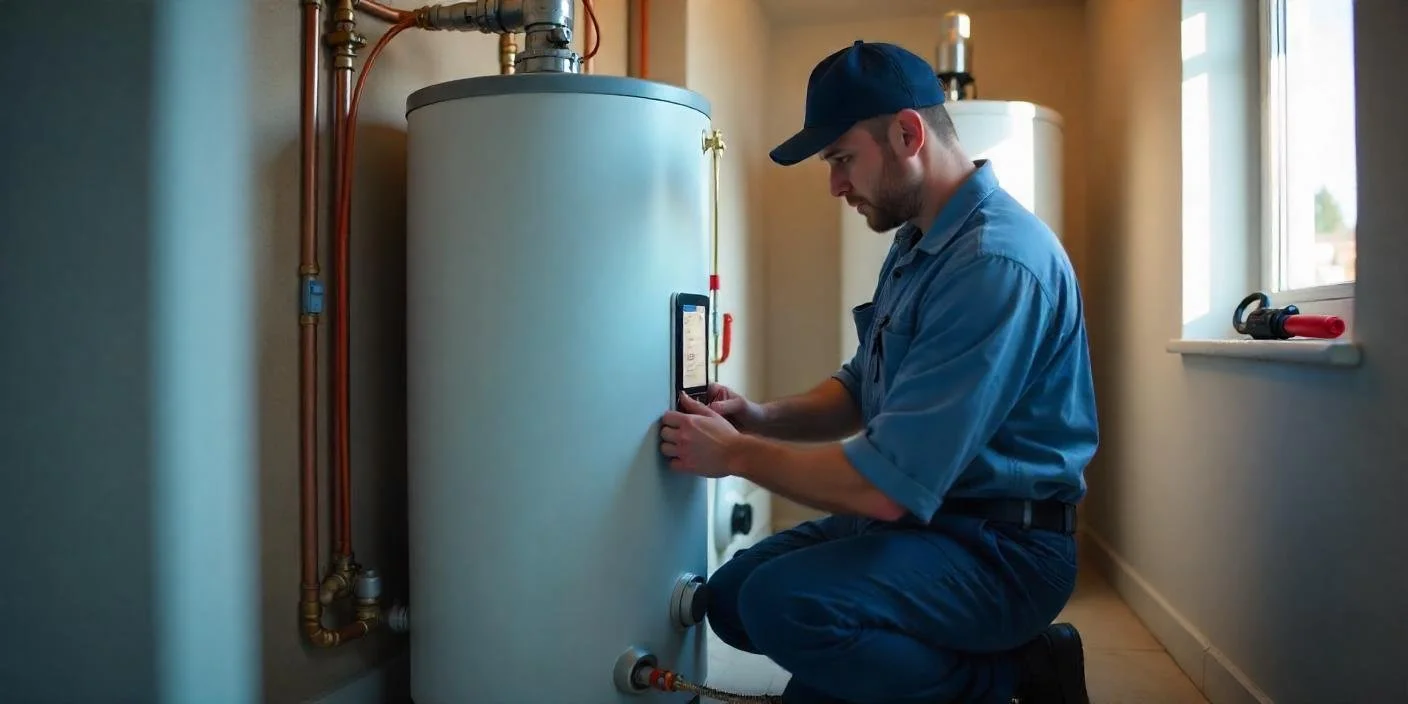
Whether you're upgrading or completing a full water heater replacement, remember that your water service may be temporarily unavailable during installation. A typical install can take between two to six hours, depending on complexity. During that time, water to your home may be shut off.
It's wise to plan accordingly. Have drinking water ready, reschedule showers, and avoid running appliances that require hot water. In rare cases, especially if complications arise, installation could take longer, so flexibility is important.
Budget Beyond the Unit Itself
Many homeowners focus solely on the price of the water heater, but the full cost of water heater installation often includes labor, materials, permitting, and disposal of the old unit. In some cases, upgrading from a standard unit to a tankless system or changing the fuel type can add to the cost due to venting, piping, or electrical modifications.
A transparent estimate from your chosen plumber should outline all costs, including optional upgrades like expansion tanks or water alarms, which can protect against damage in case of failure.
Learn the Signs That You Chose the Right Time
If you’re debating whether to replace your current system or wait, knowing the warning signs can help you decide. A water heater nearing 10 years of age is likely reaching the end of its lifecycle. Other red flags include:
Inconsistent water temperature
Rising energy bills
Unusual noises or leaks
Rust-colored water from the tap
Delaying action can increase the risk of unexpected failure. For this reason, many homeowners prefer to schedule water heater replacement proactively rather than waiting for an emergency plumber visit after a tank bursts.
Be Aware of Maintenance Requirements
A new system doesn’t mean set-it-and-forget-it. Once your water heater is installed, it’s important to understand how to maintain it properly. Most manufacturers recommend annual flushing of tank systems to remove sediment and checking the anode rod every few years.
Addressing small issues early is often easier and more cost-effective than repairing your water heater after significant damage has occurred. Routine care not only protects your investment but also minimizes the chances of unexpected breakdowns.
For tankless systems, descaling is often needed based on your local water hardness. Skipping maintenance can reduce system efficiency and shorten the unit’s lifespan. Be sure to ask your installer for a maintenance schedule and keep warranty documents on file.
Compliance, Codes, and Safety
Water heaters are subject to both national building standards and local plumbing codes. Everything from gas line connections to drainage and venting must meet specific requirements for safety and performance. This is why working with a licensed, experienced plumber is so important—DIY installations or poorly performed work can violate code, void warranties, and create safety hazards.
Professionals who specialize in water heater installation in East Valley, AZ are also trained to identify existing plumbing issues that could interfere with new equipment or become future liabilities.
Don’t Wait Until You Need an Emergency Plumber
Water heater failures rarely happen at a convenient time. When they do, you may find yourself rushing to find an emergency plumber—and facing limited availability, higher fees, or forced decisions based on urgency rather than options.
Planning ahead means you can choose your timeline, budget, and system features more comfortably. Benjamin Franklin Plumbing reminds homeowners that proactive installation leads to fewer surprises, more energy efficiency, and peace of mind
A new water heater is more than a box in a closet—it’s an essential system that affects your daily comfort and home efficiency. Preparing ahead of your water heater installation ensures a smoother process, better results, and fewer complications later on. By partnering with a qualified plumber and making informed decisions, homeowners can enjoy reliable hot water for years to come.