Strategies to Ensure Effective Sewage Removal Services for Your Home
Maintaining a home’s sanitation system is crucial for health, comfort, and quality of life. Sewage removal is one of the most important but often overlooked aspects of home maintenance. Ineffective sewage removal can lead to unpleasant odors, health hazards, property damage, and costly repairs. Therefore, homeowners must be proactive and knowledgeable about how to ensure their sewage systems work efficiently and reliably. This blog post will explore practical strategies you can adopt to guarantee effective sewage removal services for your home. From regular inspections to choosing the right professionals, these strategies will help you avoid problems and maintain a clean, safe environment.
Regular Inspection and Maintenance
One of the most effective ways to ensure smooth sewage removal is through regular inspection and maintenance of your plumbing and septic systems. Many sewage issues start small and can be detected early with routine checks, preventing costly damage later. Regularly inspect visible pipes, drains, and septic tanks for signs of leaks, blockages, or corrosion. Homeowners should schedule professional plumbing inspections at least once a year, or more frequently if the home uses a septic system. Maintenance tasks like cleaning grease traps, removing buildup, and pumping septic tanks help avoid clogs and system failures. This proactive approach reduces the risk of emergencies and extends the lifespan of your sewage infrastructure.
Choosing the Right Sewage Removal Service Provider
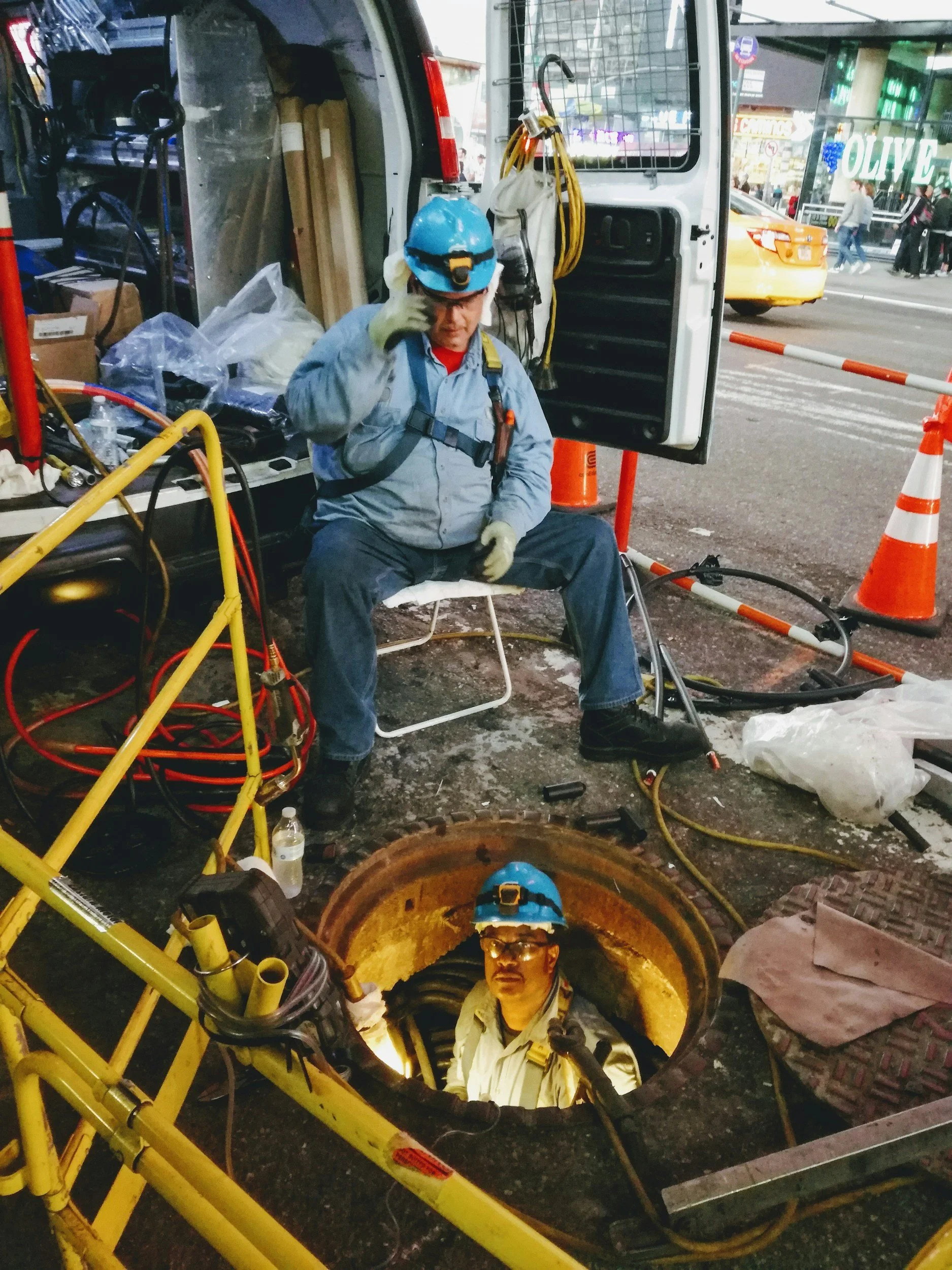
Selecting the appropriate sewage removal service provider is crucial to ensuring that any issues are handled efficiently and safely. It’s important to research local companies, focusing on their experience, certifications, and customer feedback. When faced with an emergency or routine maintenance, relying on trusted sewage cleanup pros can make a significant difference in the quality of work and peace of mind. These professionals have the expertise and proper equipment to diagnose problems accurately and provide effective solutions. Building a relationship with a dependable provider before problems arise allows homeowners to act quickly and avoid further damage, ensuring their sewage systems remain reliable and well-maintained.
Avoiding Common Blockages Through Smart Usage
Many sewage problems arise due to improper usage habits within the household. Avoid flushing items that do not dissolve easily, such as sanitary products, wipes, diapers, and excessive amounts of toilet paper. These materials often cause blockages that disrupt sewage flow. Kitchen grease and oils should never be poured down the drain, as they solidify and accumulate inside pipes, causing stubborn clogs. Educate everyone in your household about what can and cannot go down the drain, and consider installing drain strainers to catch hair and food debris. By controlling what enters your sewage system, you minimize the risk of blockages and keep the system running smoothly.
Investing in Quality Plumbing and Sewage Equipment
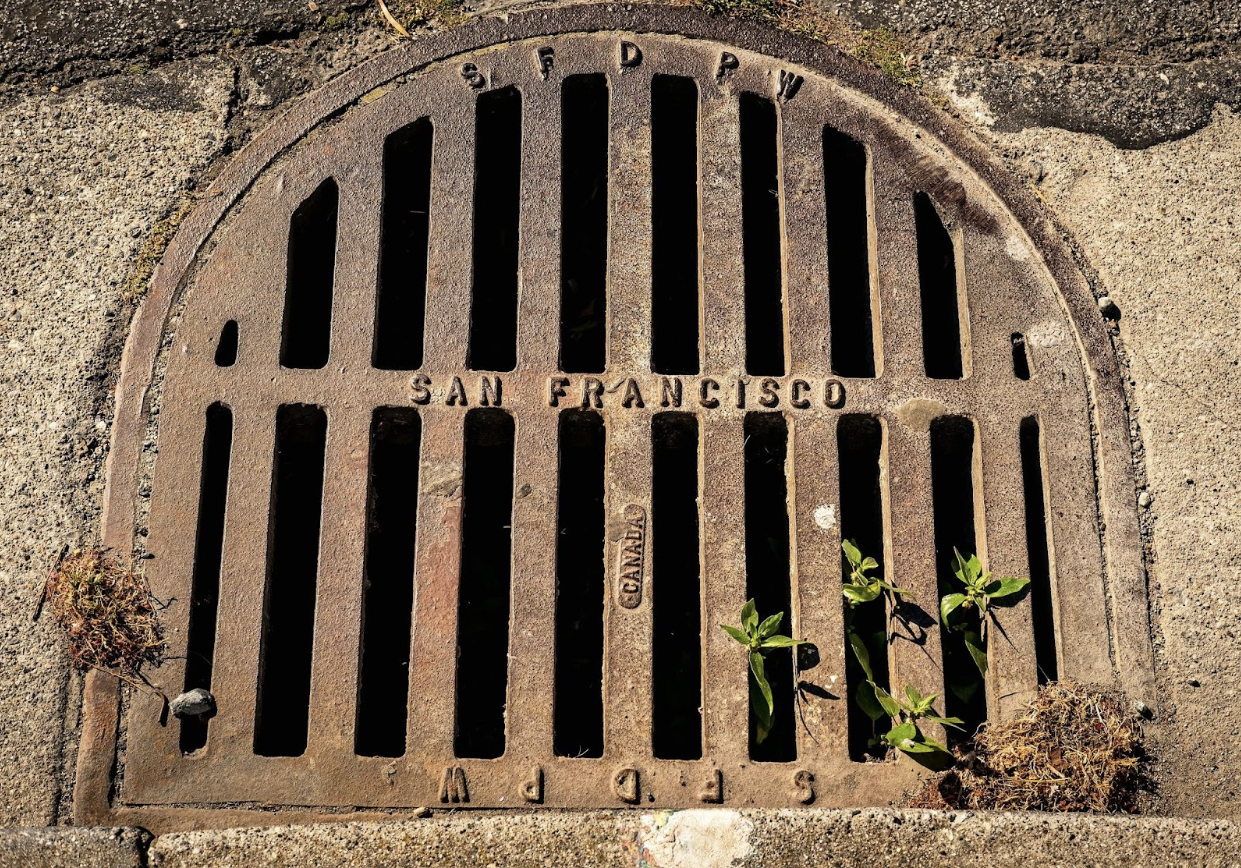
The efficiency of sewage removal depends significantly on the quality of the equipment installed. Old, damaged, or substandard pipes and fittings are more likely to leak or clog. When building a new home or upgrading an existing system, invest in durable materials designed for long-term sewage transport, such as PVC or cast iron pipes. Modern sewage pumps and treatment units offer improved reliability and efficiency. Hiring a reputable plumber to design and install your sewage system ensures proper sizing and placement of pipes, vents, and cleanouts, which facilitates maintenance and reduces future problems. Quality equipment combined with professional installation is a foundation for effective sewage removal.
Monitoring Your Home’s Sewage System
Being vigilant about changes in your sewage system’s performance helps catch issues early. Homeowners should be alert to warning signs such as slow-draining sinks or toilets, unpleasant odors near drains or the yard, gurgling sounds in pipes, and wet patches or unusually green grass near the septic tank area. These symptoms often indicate blockages, leaks, or system overload. Promptly addressing these signs with professional help can prevent major failures and contamination. Maintaining a simple log of inspections, maintenance dates, and any irregularities noticed can improve awareness and communication with your sewage service provider, ensuring that no problem goes unnoticed.
Environmentally Friendly Sewage Practices
Incorporating environmentally responsible practices into your sewage management benefits your home and the planet. Avoid chemical drain cleaners, which can damage pipes and harm beneficial bacteria in septic tanks. Instead, use natural alternatives like baking soda and vinegar or consult professionals for eco-friendly treatments. Properly maintain your septic system to protect nearby groundwater and reduce pollution risks. Consider upgrading to advanced treatment systems that recycle water or reduce harmful effluent. By adopting sustainable sewage removal strategies, you contribute to community health and reduce your environmental footprint, aligning home maintenance with ecological responsibility.
Effective sewage removal services are vital for maintaining a healthy, safe, and comfortable home environment. By implementing strategies such as regular inspections, mindful usage, investing in quality materials, selecting reputable service providers, monitoring early warning signs, and embracing eco-friendly practices, homeowners can safeguard their sewage systems from failure and costly repairs. Being proactive and informed about sewage management preserves your property’s value and protects your family’s well-being and the environment. Prioritize your home’s sewage system today to enjoy peace of mind and uninterrupted comfort.