Ensuring Durability: The Essential Guide to Waterproofing Membranes
Structures, whether they are residential or commercial, all share a common necessity – the need to remain durable against the elements. One of the most critical elements that can affect a building's integrity is water. Over time, water can penetrate surfaces, leading to damage such as mould, structural weaknesses, and other forms of deterioration. To combat these issues, the industry relies heavily on waterproofing membranes, a vital technology that ensures the longevity of construction projects.
Understanding Waterproofing Membranes
At its core, waterproofing involves the application of a thin layer of material over surfaces to prevent water ingress. Waterproofing membranes come in various types and materials, each suited for specific applications and environments, notes Central Florida Lake Mary Management team. From liquid-applied membranes to pre-formed sheet membranes, these barriers are designed to safeguard the critical parts of a building such as the roof, walls, foundation, and basements from water and moisture.
The Importance of Selecting the Right Membrane
The selection process for waterproofing membranes should not be taken lightly, as the right membrane can drastically extend the lifespan of a structure. Factors such as the climate, building use, and exposure to chemicals or UV light can influence the decision-making process. The ideal membrane should not only prevent water infiltration but also possess a certain degree of flexibility, be resilient against punctures, and maintain its properties over time.
Preparation is Key to Effective Waterproofing
Before applying a waterproofing membrane, it is imperative to adequately prepare the surface. This includes cleaning and repairing any existing damage to ensure a clean, smooth substrate. Failure to prepare properly can result in poor adhesion of the membrane, leading to gaps and ultimately, the failure of the waterproofing system.
Application Techniques
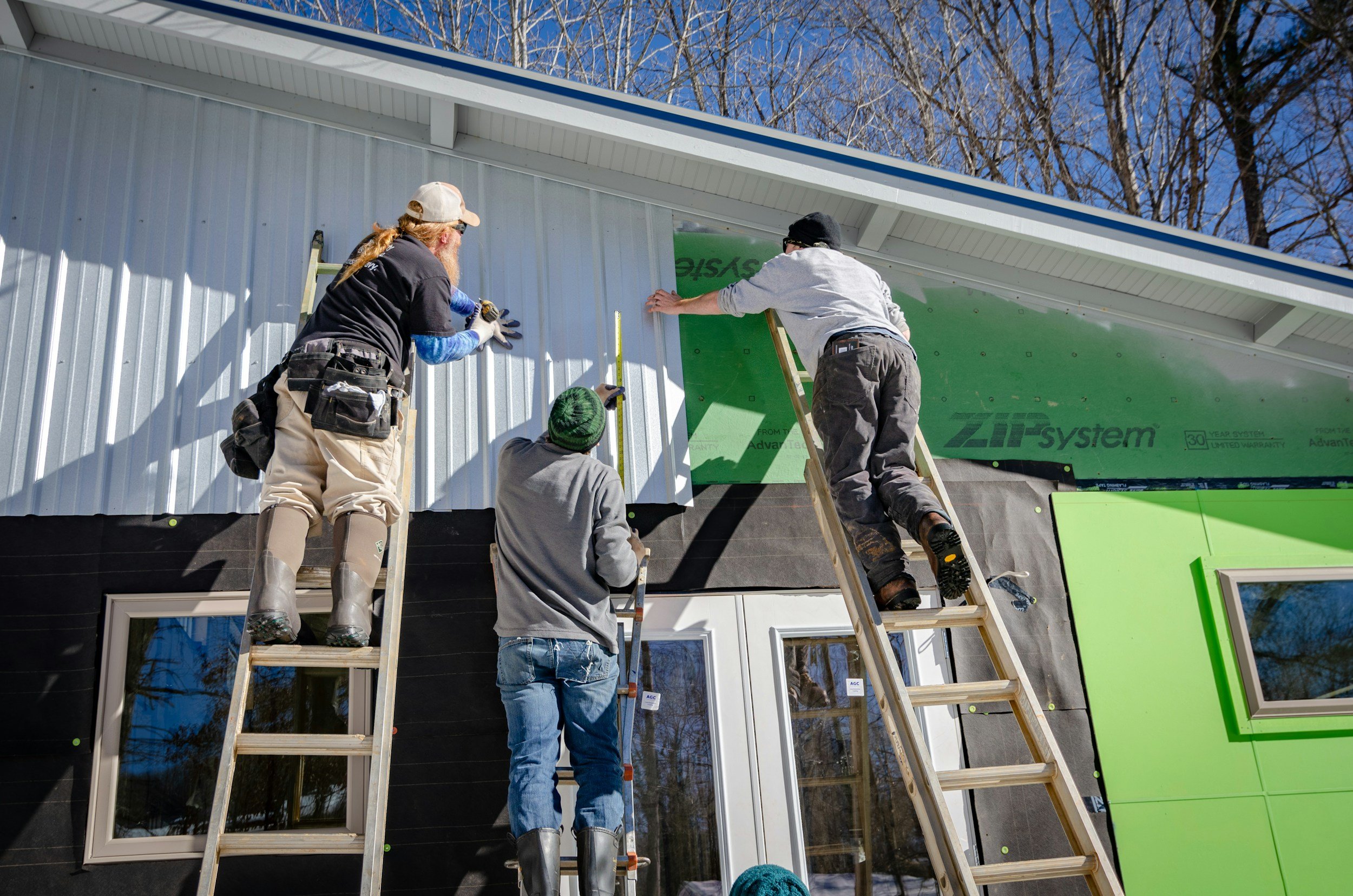
The application of waterproofing membranes is a task that requires precision. Depending on the product, it may be sprayed, rolled, or manually applied. Some membranes also require the use of a primer or specific type of adhesive. The quality of the application will greatly affect the effectiveness and durability of the membrane, which is why it is often recommended that a professional conduct the installation.
Maintenance and Inspections
While waterproofing membranes are designed for longevity, they do require maintenance and periodic inspections to ensure they are performing optimally. Inspections should be carried out regularly, particularly after extreme weather events, to identify and repair any damage or wear that could compromise the membrane’s integrity.
Diverse Applications of Waterproofing Membranes
Waterproofing membranes are not only used in new construction but also in the restoration and renovation of existing buildings. They are an integral component in civil applications such as tunnels, bridges, and dams, where water exclusion is critical. In the residential sector, membranes protect areas susceptible to water damage, such as bathrooms, kitchens, and laundries.
Environmental and Health Considerations
An often-overlooked aspect of waterproofing membranes is their environmental and health impact. Modern membranes are increasingly being developed with non-toxic, eco-friendly materials that not only provide robust waterproofing but also contribute to healthier living spaces by preventing the growth of harmful moulds and bacteria.
Staying Ahead of Technological Advances
The waterproofing industry is dynamic, with continuous advancements in technology leading to more sophisticated and effective solutions. New formulations and composite materials are being developed to improve the performance of waterproofing membranes, particularly in terms of flexibility, adhesion, and UV resistance.
Cost-Effectiveness of Waterproofing Membranes
In considering waterproofing solutions, the cost is an important factor. While the initial investment in a high-quality waterproofing membrane may seem substantial, it is far outweighed by the protective benefits and reduction in potential repair costs over the life of the building.
Professional Installation – An Investment in Durability
While some may consider DIY approaches to waterproofing, the complexity and importance of a robust waterproofing system should not be underestimated. Professional installers bring expertise and knowledge of the latest techniques and materials, ensuring that waterproofing membranes are applied correctly for optimal performance and durability.
Conclusion
The essential role of waterproofing membranes in the construction industry cannot be overstated. From protecting the integrity of a building to ensuring the health of its occupants, effective waterproofing is a critical consideration in any building project. As innovative materials and application methods evolve, the effectiveness of these membranes in securing buildings against water damage becomes more efficient and reliable, underscoring their indispensable place in building protection.
To safeguard your structure against the unforgiving nature of water and moisture, investigate the range of waterproofing solutions available, and consider investing in high-quality waterproofing membranes for enduring protection and peace of mind.