How Quality Tree Care Protects Your Property and Enhances Your Landscape
Trees add beauty, shade and environmental value to Sydney properties, but they also require care to remain safe, healthy and visually appealing. Whether you are managing a suburban garden, a large property or commercial grounds, understanding how to care for your trees supports plant health and reduces risk. Many residents choose professional tree services in Sydney to ensure their trees are assessed and maintained by qualified arborists who know how to balance safety, aesthetics and long-term plant welfare.
Why Tree Care Matters
Trees are living organisms that grow, change and respond to their environment. Well-maintained trees can enhance property value, improve air quality, provide habitat for wildlife and reduce stormwater runoff. However, neglected trees can become hazards. Weak branches, diseased trunks or poorly placed roots may cause damage to fences, roofs, driveways or underground utilities.
Routine care minimises these risks while supporting tree health and longevity. Caring for trees is about more than cutting branches; it involves monitoring growth patterns, preventing disease and ensuring structural stability.
Recognising Signs Your Trees Need Attention
Trees often show early signs when they are under stress or becoming hazardous. Dead branches, visible decay, sudden leaf loss or leaning trunks can all signal that a tree needs inspection. Discolouration, fungal growth or cracks in the bark are other indicators that internal problems may be present. If you notice these signs, it is wise to consult a qualified arborist. Early intervention often prevents issues from escalating and helps trees recover fully.
What Arborists Look For in Tree Assessments
An arborist evaluates a tree holistically, considering overall health, stability and surroundings. Key aspects include the root system, trunk integrity, crown structure and the tree’s relationship to buildings, walkways and utilities. Arborists also assess soil conditions and signs of pests or disease that may affect a tree’s long-term performance. This detailed assessment helps determine whether trees need pruning, treatment, stabilization or, in rare cases, removal to protect safety.
Tree Pruning: Enhancing Health and Safety
Pruning is one of the most common tree care services. When done correctly, pruning removes dead or weak branches that could fall during storms or high winds. It also helps improve light penetration and air circulation within the canopy, which supports healthy growth.
Pruning for structure is especially important for younger trees, as early corrective pruning encourages strong form development. For mature specimens, careful pruning enhances appearance and safety without compromising natural shape.
Tree Removal When Necessary
While preserving trees is a priority, removal may be required when a tree is diseased beyond recovery, structurally unsound or causing significant risk to people and property. Tree removal involves careful planning, particularly when trees are close to buildings or powerlines.
Qualified arborists perform safe removals using specialised equipment and techniques that protect surrounding structures and landscape elements. Removal is always a last-resort option after other strategies have been considered.
Stump Grinding and Site Restoration
After a tree is removed, the stump can remain a tripping hazard, attract pests or interfere with mowing and landscaping. Stump grinding eliminates the visible portion of the stump below ground, allowing you to reclaim the space for other uses. Following stump grinding, soil can be levelled and prepared for replanting or turf installation. Professional tree services ensure site restoration is handled cleanly and efficiently.
Emergency Tree Work: Fast Response When It Matters
Storms, high winds and unexpected tree failures can occur with little warning. In urgent situations, professional tree services provide emergency response to secure unstable trees, remove fallen limbs and reduce hazards. Quick action minimises property damage and supports safety for residents, neighbours and passers-by. Emergency tree work requires trained personnel and specialised equipment to operate safely under demanding conditions.
Tree Health Care and Disease Management
Trees, like all plants, are vulnerable to pests, fungal infection and environmental stress. Arborists identify signs of decline and recommend appropriate treatments, which may include targeted pruning, soil amendments or pest management strategies. Proactive health care keeps trees resilient and reduces the likelihood of long-term decline. Treatments are tailored to the species, location and specific conditions affecting each tree.
Supporting Growth With Soil and Root Care
Healthy roots and soil conditions are critical to a tree’s wellbeing. Compacted soil, poor drainage or interference from construction can stress trees, making them more susceptible to disease and decline. Arborists assess soil quality and recommend treatments such as aeration, mulching or fertilisation to support root health. Roots also interact with underground utilities and structures. Arborists help identify safe planting locations and root-friendly practices that prevent future issues.
Planting and Tree Selection for Long-Term Success
Choosing the right tree species for your garden or property helps ensure successful growth and minimal conflict with structures or services. Arborists guide species selection based on site conditions, soil type, space availability and long-term landscape goals. Proper planting techniques and ongoing care set young trees up for stronger health and reduced maintenance as they mature.
Enhancing Property Value and Landscape Aesthetics
Well-maintained trees contribute to property value by enhancing curb appeal, providing shade and creating a sense of established landscape. Trees that are structurally sound, appropriately sited and groomed add visual appeal and make outdoor spaces more enjoyable. Potential buyers often value properties with attractive, healthy trees, making professional tree care a worthwhile investment in overall property presentation.
The Safety Advantage of Qualified Arborists
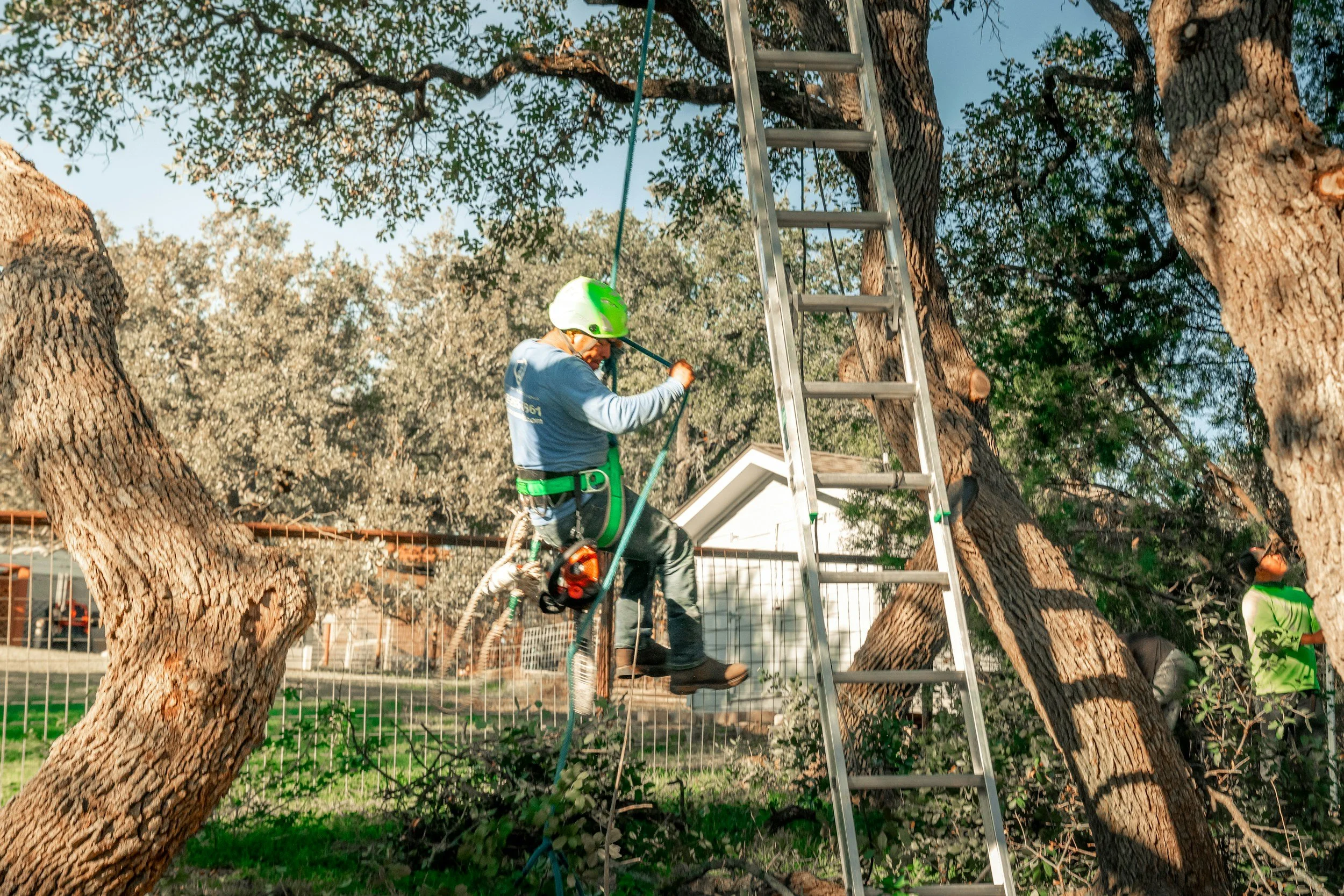
Working with professionals reduces risk. Tree work, especially at height or near structures, carries inherent hazards. Trained arborists use protective gear, climbing equipment and industry-standard techniques to manage risks safely. They also carry insurance that protects both workers and property owners. Attempting DIY tree work puts people at risk and can cause damage that leads to higher repair costs.
Choosing the Right Tree Service Provider
Not all tree service providers are equal. When selecting a company, look for certified arborists, clear communication, transparent pricing and a record of safe, professional work. Good providers offer assessment reports, explain recommended work and help you understand why certain services are needed. Local experience also matters, as arborists familiar with Sydney’s trees, climates and soil conditions bring valuable insight to every job.
Conclusion
Trees are valuable assets in any landscape, but they require attentive care to remain healthy, safe and visually appealing. Engaging professional tree services in Sydney ensures that your trees receive expert assessment, careful pruning, safe removal when necessary and ongoing health support. With qualified arborists handling everything from routine trimming to emergency response and disease management, you protect your property, enhance your outdoor spaces and enjoy the many benefits that healthy trees provide.
Whether you are maintaining a garden, preparing a property for sale or managing commercial grounds, quality tree care brings peace of mind and long-term landscape success.