How Regular Plumbing Maintenance Enhances Home Safety?
Unexpected plumbing failures can lead to catastrophic home damage, with the American Insurance Association reporting that water damage from broken pipes being one of the most common home insurance claims. Regular plumbing maintenance can mitigate this risk and others, ensuring a secure living environment.
Maintaining a home's plumbing system goes beyond preventing leaks; it is a critical factor in enhancing overall home safety. Below, we delve into how routine checks and fixes can bolster safety measures and prevent household hazards.
Regular Plumbing Maintenance and Home Safety Connections
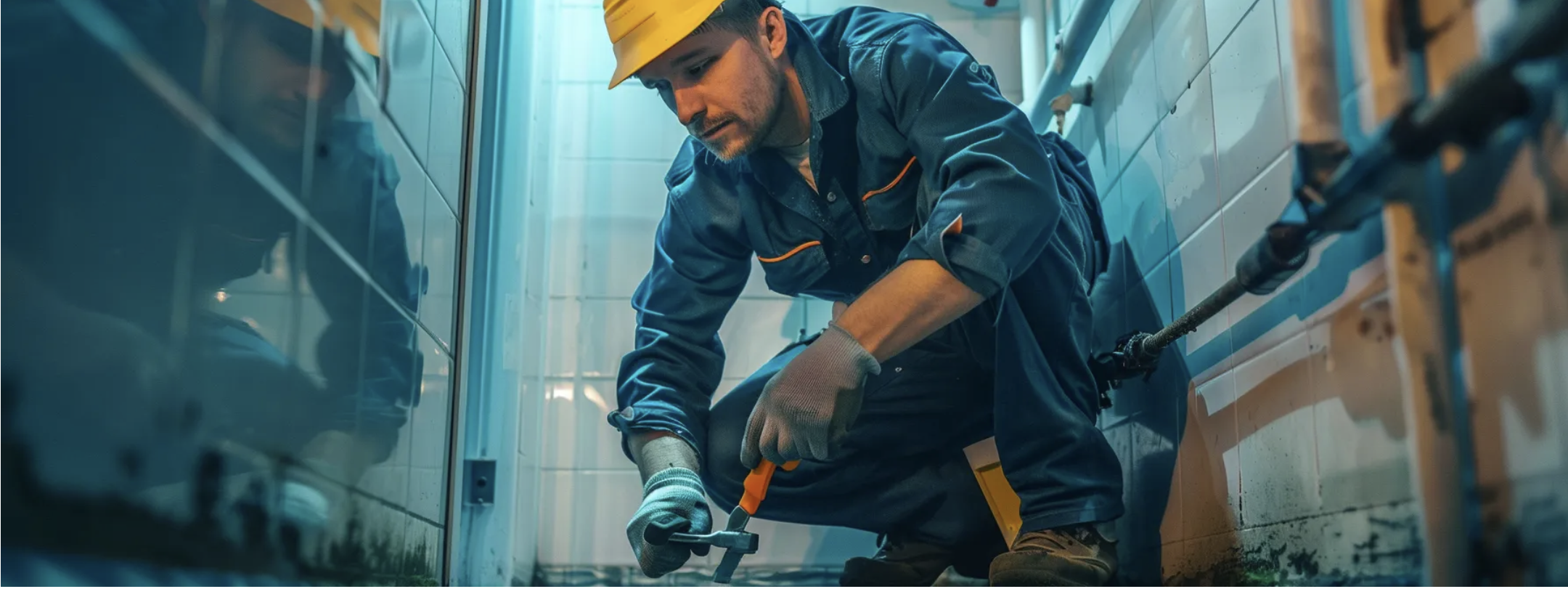
One of the primary benefits of regular plumbing maintenance is the early detection of potential safety issues. By routinely inspecting pipes, fixtures, and connections, homeowners can identify and rectify small problems before they escalate into major concerns.
Leak detection, for example, is crucial. A minor leak left unchecked can weaken structural elements and foster mold growth, which has implications for both the integrity of the home and the health of its inhabitants. Frequent maintenance catches these issues early on, preserving the home's structure and indoor air quality.
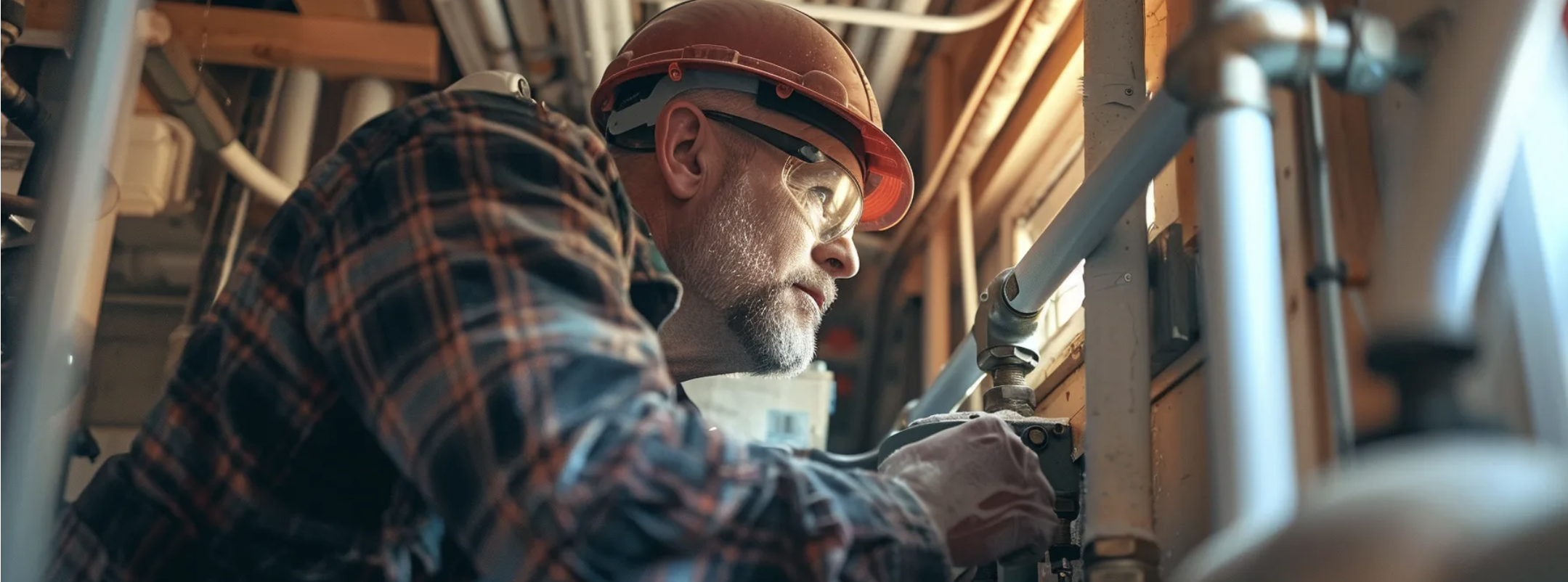
Homeowners should schedule professional inspections annually and learn basic plumbing upkeep to monitor their systems effectively. This might include understanding how to spot warning signs like rusting pipes or fluctuations in water pressure, which could indicate hidden leaks or blockages. One way to ensure quality service is to hire a plumber to assist with inspections.
Mitigating Water Damage Risks Through Preventative Plumbing Care
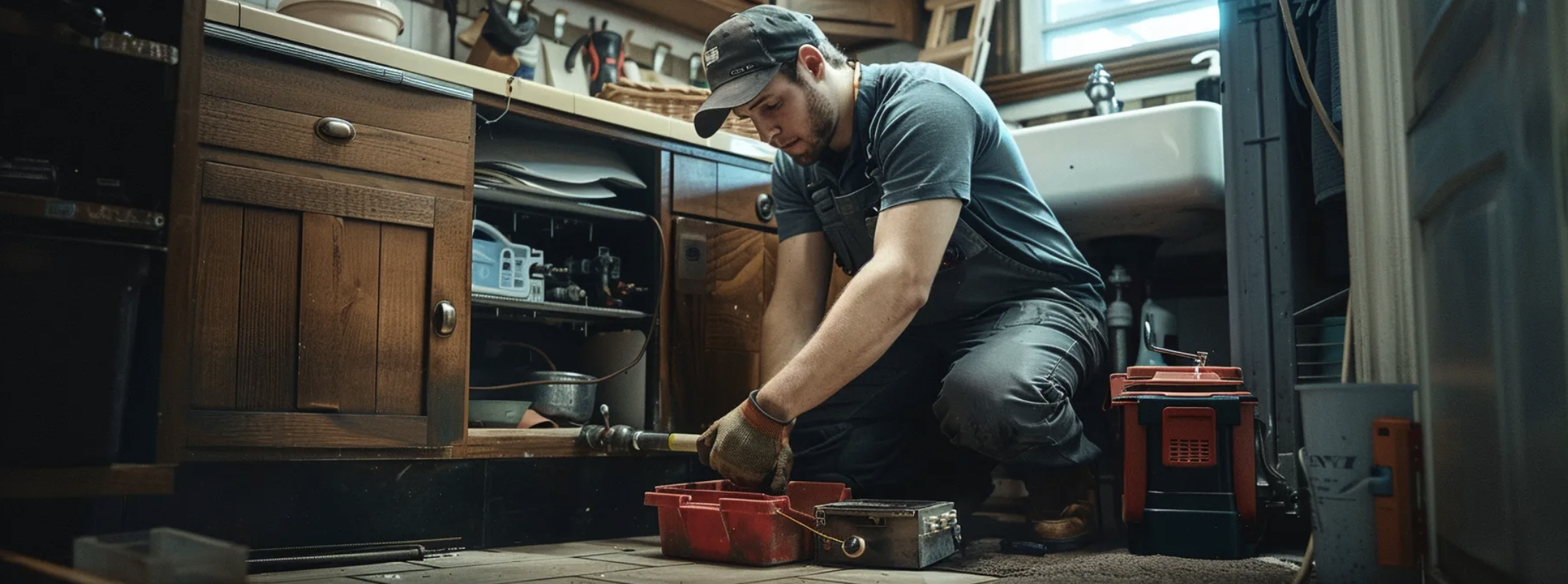
Preventative plumbing care is a homeowner's first line of defense against water damage. Regular maintenance can help identify vulnerabilities in the plumbing system that, if left unaddressed, could result in burst pipes, flooded basements, and costly water damage restoration.
A study by the Insurance Institute for Business & Home Safety identified that leaky toilets and deteriorating supply lines are common culprits of water damage. Scheduling seasonal checks and replacing parts that show wear promotes longevity and can prevent disasters. Maintenance also extends to keeping drains and gutters clear, which protects against water buildup and overflow.
Actionably, homeowners should adhere to a plumbing maintenance schedule which includes inspecting appliances like water heaters and sump pumps. Professionals can assist in these evaluations, and techniques like thermal imaging can reveal hidden leaks that might be overlooked during a visual inspection.
Enhancing Air Quality with Proper Plumbing Upkeep
Proper plumbing maintenance directly impacts a home's air quality. Cracked pipes and leaks can lead to mold and mildew buildup in hidden areas, releasing spores into the air that can trigger allergies and asthma.
Additionally, clogged drain lines can cause sewer gas to back up into the home. Besides being unpleasant, these gases can carry harmful bacteria. Ensuring that vent pipes are clear and traps contain water can prevent these problems from occurring. Regular maintenance of plumbing fixtures and seals also prevents moisture accumulation, further inhibiting mold growth.
For actionable steps, homeowners can invest in humidity monitoring and control devices to mitigate excess moisture and mold risks. It's also beneficial to engage in routine drain cleaning and to fix any leaks promptly to maintain high indoor air quality.
Preventing Electrical Hazards with Routine Plumbing Inspections
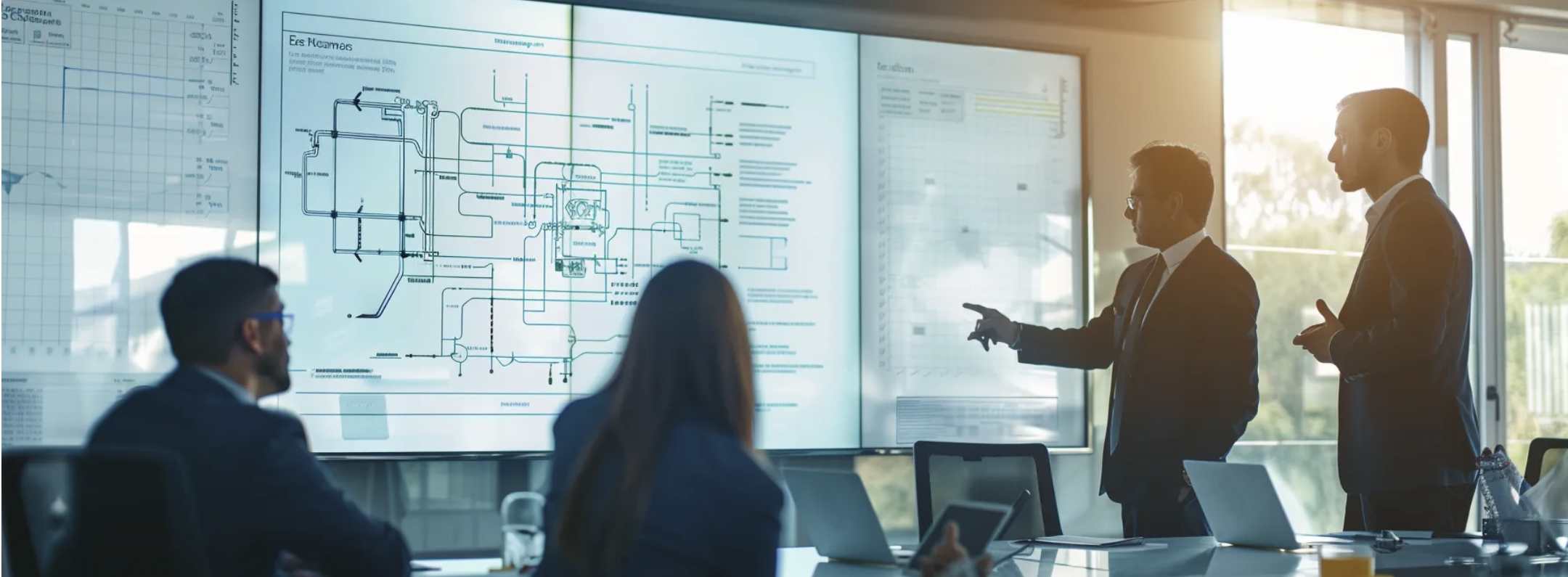
Electrical systems and plumbing are more interconnected than they may seem, with water posing a significant risk when it comes into contact with electricity. Regular plumbing inspections play a vital role in identifying leaks that can lead to electrical hazards.
Water infiltrating electrical outlets or appliances poses a serious threat of shock or fire. During routine maintenance, professionals can ensure that plumbing is secure and not posing a risk to electrical systems. Furthermore, addressing any signs of corrosion on pipes near electrical systems can prevent leaks and the subsequent dangers they pose.
Homeowners should be proactive in bringing in licensed plumbers who can coordinate with electricians if necessary. They can also familiarize themselves with emergency shut-off procedures for their plumbing and electrical systems, as a safeguard until professionals can remedy any issues detected during inspections.
In conclusion, regular plumbing maintenance is an indispensable aspect of responsible homeownership. It serves to preemptively identify problems that could impact a home's structure, the health of its inhabitants, and electrical safety. By recognizing the interconnectedness of home systems and acting on the guidance provided, homeowners can maintain a safer living environment and possibly avoid costly repairs.