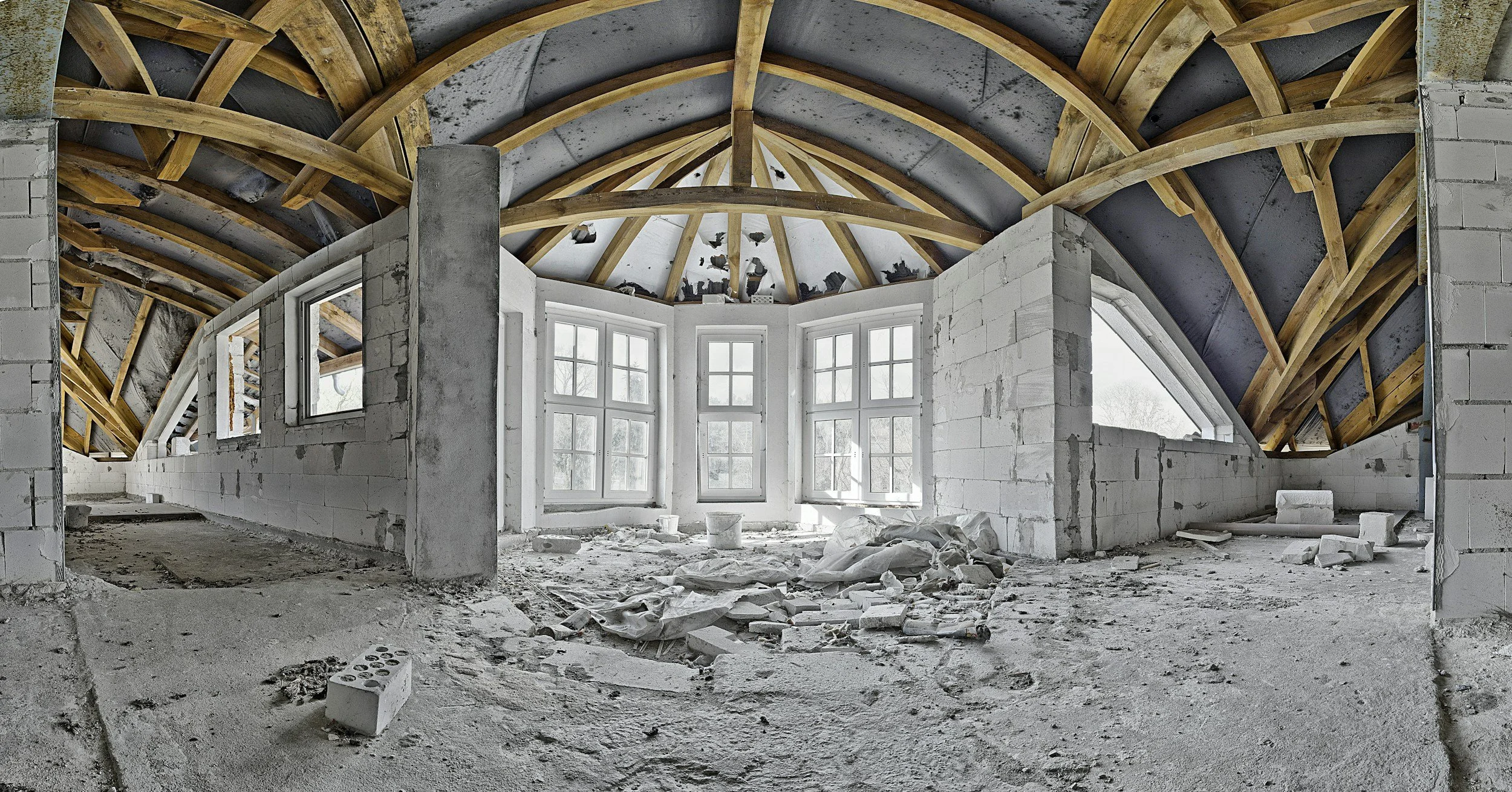
From Disruption to Delivery: How Smarter Demolition Is Changing the Construction Game
Tearing things down used to be loud, messy, and mostly about brute force. But in the hands of today’s experts, demolition has transformed into a precise and thoughtful first step in rebuilding. Whether you're cutting through city pavement to reach buried infrastructure or opening up a bathroom to modernize a home, the process is becoming cleaner, faster, and safer. Behind this evolution is a combination of refined techniques, specialized tools, and a shift in how demolition is viewed, not as destruction, but as strategic preparation, according to Mr. Manhole.
Beyond the Bash and Smash
The days of swinging a sledgehammer blindly are over. Today’s professionals approach each demolition project with an engineer’s eye, not just to protect surrounding structures, but to work smarter and save time. This level of planning starts well before the first wall comes down. Every stud, tile, pipe, and wire is accounted for. The end goal? To clear a space with surgical precision, minimizing unnecessary waste and maximizing the efficiency of the rebuild.
This isn’t just about finesse. It’s about responsibility. In residential settings, especially, homeowners want assurance that the job will be done neatly and with minimal disruption to daily life. A controlled demolition process keeps dust levels down, protects adjacent finishes, and reduces the risk of damaging hidden systems like electrical wiring or plumbing. It's a critical distinction from older methods that prioritized speed over control.
On the municipal or industrial side, that same principle applies, but on a much larger scale. When cutting into concrete to access a manhole or utility line, it’s not enough to “get the job done.” The surrounding road must remain intact, the work must be fast enough to avoid traffic delays, and the final repair has to blend seamlessly into the surrounding area. The margin for error is razor-thin, and only growing tighter.
Why Strategic Deconstruction Pays Off
For many homeowners or contractors planning a remodel, demolition might seem like the least glamorous part of the project. But experienced pros know it's where the tone is set for everything that follows. If walls are taken down haphazardly or debris piles up without a plan, delays start to stack up fast.
More often, a thoughtful approach to removal can reveal hidden opportunities. Maybe the plumbing stack can be rerouted more easily than expected, or the subfloor beneath that outdated tile is still in great shape. These small wins, discovered only through careful work, can make a significant difference in timeline and budget. And when it comes to full teardowns, the stakes are even higher. A poorly executed demolition can cause structural issues, raise safety concerns, or lead to extra costs that weren’t part of the original estimate.
If you’ve ever looked into the cost of demolishing a house, you’ll notice that pricing often reflects more than just labor. It includes planning, site prep, permits, disposal, and cleanup, and quality demolition services offer all of that with a heavy dose of professionalism.
Clean Spaces Make for Smooth Transitions
One often-overlooked benefit of modern demolition is how clean the job site remains throughout the process. Gone are the days when piles of drywall dust and exposed nails lingered for weeks. Today’s crews bring in air scrubbers, plastic barriers, and bin systems to keep the workspace as safe and tidy as possible. This isn’t just about appearances, it’s about workflow.
Clean spaces allow framing, electrical, plumbing, and finishing crews to work more efficiently. They reduce trip hazards, eliminate confusion, and signal that everyone on-site respects both the job and the client. It also speeds up inspection approvals, since city officials prefer reviewing work in well-maintained environments.
In municipal work, this cleanliness is even more essential. Imagine a busy intersection closed for manhole replacement. If debris is flying, if cuts in the pavement aren’t precise, or if the site isn’t contained properly, it risks creating delays and drawing complaints from the public. Clean, defined work zones keep everything moving according to plan.
Demolition with a Purpose
At the core of all these improvements is a change in philosophy. Demolition isn’t just about removal, it’s about preparation. It clears the way not just physically, but mentally. Homeowners begin to see the space in a new light, contractors get a clear canvas to start their craft, and cities restore functionality with minimal interruption.
This mindset shift also fosters innovation. Tools are now designed for specific applications, like circular cutters that make uniform manhole access fast and repeatable, or electric-powered demo hammers that reduce noise and vibration. These enhancements aren’t just nice-to-haves; they’re becoming the industry standard.
And on top of it all, demolition crews are now often the first ambassadors for a project. Their professionalism, care, and efficiency set the tone for what clients can expect from the entire job. A good first impression goes a long way, and with today’s techniques, that first impression can be exceptional.
Whether you’re dealing with a full teardown, a room remodel, or an underground repair, the way we approach demolition today is smarter, safer, and more purposeful than ever before. It's no longer the rough, noisy step that simply gets things out of the way. It's a foundational part of the build process, quietly shaping the success of everything that comes next. When done right, demolition doesn’t just tear down walls. It builds trust.