How Video Walls and Home Theaters Are Redefining the Way We Watch
Once reserved for luxury boardrooms and concert venues, massive video walls and immersive home theaters are fast becoming the new standard for visual engagement in both public and private spaces. Whether you're setting up a bold digital backdrop in a corporate environment or turning your basement into a cinematic dreamscape, the goal is the same: fully immersive, emotionally resonant viewing. Today’s solutions deliver more than just size; they’re intelligent, adaptive, and beautifully integrated. At the center of it all are innovative visual systems that bring big-screen magic to any environment with breathtaking clarity and ease of control.
Video Walls: Taking Center Stage in Modern Spaces
Large-scale video wall displays are transforming how information, branding, and entertainment are delivered. Their impact stretches across industries, corporate lobbies, control rooms, places of worship, sports arenas, and educational institutions. The magic of these systems lies in how they merge modular scalability with high brightness and razor-sharp resolution.
Unlike traditional projector setups, video walls use multiple LED or LCD panels to create seamless, virtually borderless displays. That means larger-than-life visuals without sacrificing detail. Many of today’s systems include high-lumen capabilities, meaning they can perform beautifully even in spaces with ambient light. Whether you’re streaming real-time data or showcasing brand messaging, these screens are engineered to captivate.
What sets them apart is their adaptability. From curved installations to touchscreen capabilities, video wall systems can be designed to suit your exact needs. And with sophisticated processors and media players behind the scenes, the content delivery is as fluid and dynamic as the visuals themselves. For modern venues, they’re more than just tech; they’re visual storytelling tools that command attention.
Home Theaters: Bringing the Cinema Into Your Sanctuary
While large venues benefit from video wall drama, homeowners are increasingly investing in personalized media rooms that offer the same cinematic energy, only tailored to their tastes. No longer relegated to the wealthy few, home theaters have become more accessible, customizable, and seamlessly integrated into everyday living spaces.
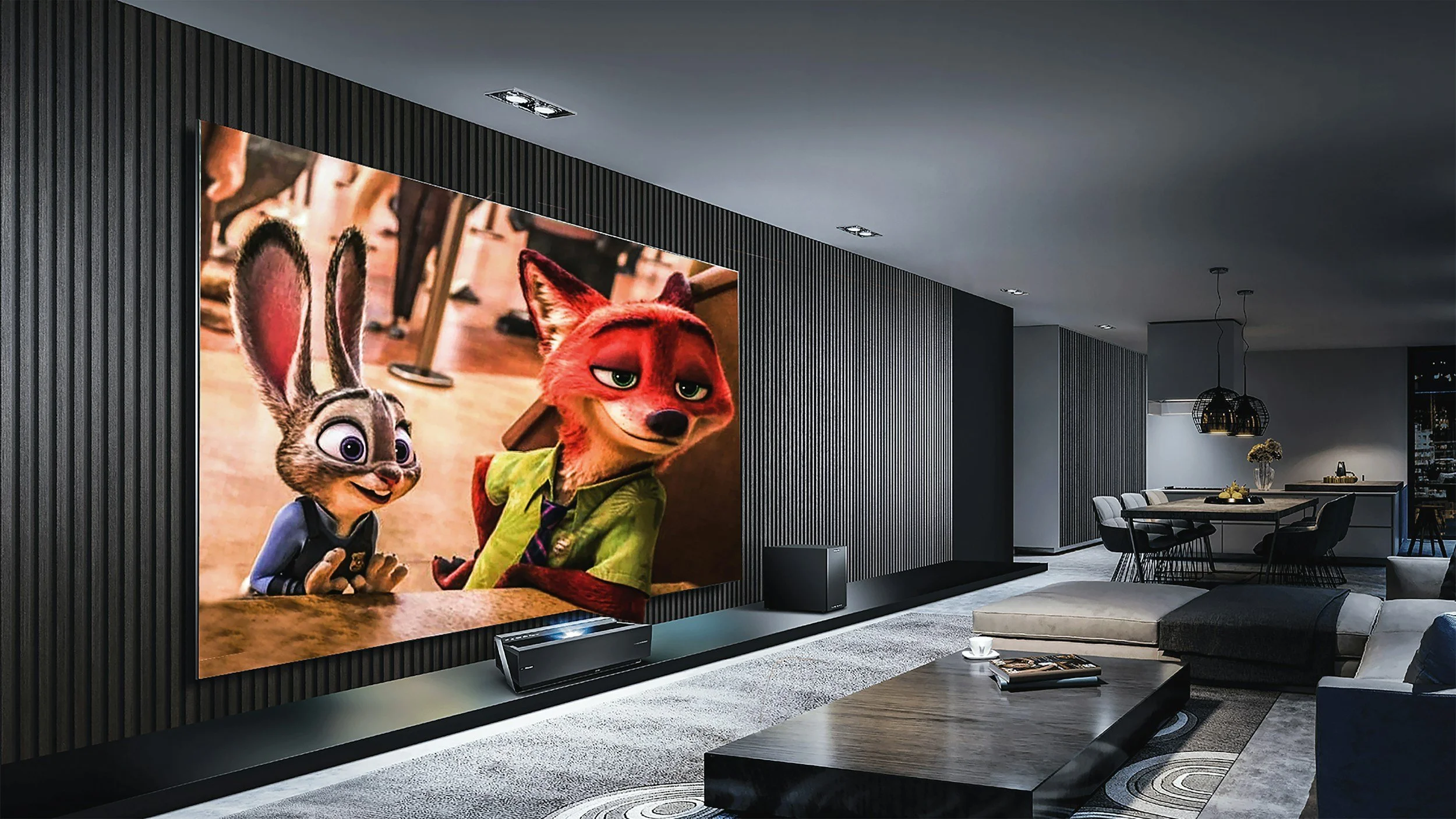
Modern media rooms often include ultra-short-throw projectors, 4K (and even 8K) resolution screens, and immersive audio setups that rival commercial theaters. But they aren’t limited to visuals and acoustics. Lighting automation, acoustic paneling, blackout shades, and luxurious seating all play a role in elevating the experience. These rooms aren’t just for watching movies; they’re built for gaming, streaming concerts, hosting sports nights, and even video conferencing in style.
The experience is not just about specs; it's about how everything is orchestrated. Whole-home automation and intuitive control panels make it possible to dim the lights, drop the screen, and queue up a playlist with a single tap. For homeowners seeking a blend of sophistication and entertainment, this level of integration makes every night feel like a premiere. Discover more at the https://www.liaisontechgroup.com website.
Building Experiences, Not Just Screens
It’s easy to focus on the hardware, the pixels, lumens, and screen size, but what truly sets a space apart is the intention behind its design. Both video wall systems and home theaters must be built with a holistic view of the environment. That includes not just where the screens go, but how the room sounds, feels, and responds.
Acoustics, for example, are essential. In large commercial spaces, sound has to travel cleanly across long distances without echo or distortion. In a media room, acoustic treatments help to eliminate sound bleed, so your subwoofer doesn’t rattle the dishes upstairs. Similarly, lighting control plays a crucial role. A stunning screen can be washed out by poorly placed light sources, so designers often work in tandem with AV specialists to calibrate ideal conditions.
Furniture placement, line of sight, and room symmetry all influence the outcome. True AV integration isn’t about jamming the biggest screen into the smallest space; it’s about creating harmony between technology and lifestyle.
Smarter Systems for a Smarter Audience
Today’s viewers expect more than just passive visuals. With content coming from streaming services, gaming consoles, presentation software, and real-time analytics dashboards, your AV setup needs to be agile. That’s why processors and content controllers are now the silent powerhouses of any setup.
These systems manage multiple content sources, sync audio across devices, and allow for multi-screen output, all with minimal user input. For corporate users, this means being able to conduct Zoom meetings, share live dashboards, and launch presentations from a single control system. For homeowners, it’s about simplicity, controlling the entire room from your smartphone or a central tablet.
The added benefit? Fewer visible wires, more intuitive interfaces, and increased longevity of your equipment. With smart tech at the helm, even non-tech-savvy users can take full advantage of these complex systems.
The Future is Immersive
As display technology becomes more sophisticated and affordable, the lines between commercial and residential AV continue to blur. The same software that powers a university’s digital lecture wall can run a home’s multi-zone entertainment setup. Features like voice control, gesture-based interactivity, and AI-enhanced image processing are slowly entering the mainstream.
Moreover, sustainable technologies are making AV design more energy-efficient and eco-conscious, using power-saving LED panels, recyclable materials, and sleep modes that reduce overall consumption without compromising performance.
The bottom line? Whether you're designing a high-impact boardroom or a relaxing family escape, the possibilities are no longer limited by budget or space. With the right vision and the right partner, your next visual environment can be more immersive, intelligent, and impressive than ever before.