How to Build the Perfect Backyard Playground
Building the perfect backyard playground can be one of the most rewarding projects for a family. Not only does it provide a fun, safe space for your kids to play, but it also adds value to your home and creates lasting memories. Still, making a playground that fits both your space and your family’s needs requires thoughtful planning. In this guide, we'll walk you through everything you need to consider, from goals and budget to safety and equipment choices, so you can create a playground that your kids will love and you’ll be proud of.
Tips to Build the Perfect Backyard Playground
When it comes to designing and building the perfect backyard playground, the right approach can make all the difference. There’s a lot to think about: how much space you have, what equipment to include, and most importantly, how to create a safe and enjoyable environment for your kids. This section will guide you through the critical factors that can help you build a fun, functional, and safe playground.
Define Your Goals
Before you even start digging, take a moment to define what you want from your backyard playground. Are you looking for a simple setup with a swing and slide, or do you envision something more elaborate, featuring climbing walls, a sandbox, and perhaps even a small fort? Knowing your goals will help shape your design and narrow down your options.
Defining your goals also means thinking about the age group using the playground. A playground for toddlers will look much different than one for school-aged kids, so consider what kind of play activities will engage your children. This step will give you a clear vision and help guide all your other decisions moving forward.
Understanding what you hope to achieve with your playground helps you prioritize features and ultimately build a space that suits both your children’s interests and the overall backyard layout.
Understand Your Available Space
The next step is assessing the space you have to work with. Whether you’re dealing with a small city yard or a large suburban lot, knowing the exact size and shape of your outdoor area will help you make the most of it. Measure out the space where you plan to build the playground and think about the flow of the area. Will you need to clear any trees, shrubs, or other obstacles? It’s also important to consider how much open space you want to leave for running around, as your kids will need plenty of room for free play beyond the playground equipment itself.
When planning the layout, remember that playground equipment typically needs several feet of clearance on all sides for safety. Think about how the playground will fit within the existing landscape and how it will integrate with the rest of your backyard activities. Make sure to leave space for landscaping elements like trees, bushes, or a garden, and consider how the playground will be used in different weather conditions.
Set Up a Budget
Before diving into your project, it’s important to set a realistic budget. Playground equipment and installation can range from affordable DIY solutions to high-end, professionally built structures. Understanding your budget upfront will prevent you from overspending and help you make smart choices about materials and equipment.
If you’re planning to finance part of the project, you might consider options like home improvement financing. This can be a great way to spread out the cost of the playground over time, especially if you’re making a significant investment in your outdoor space. Don’t forget to account for any hidden costs, such as delivery fees, installation, or additional landscaping.
With a clear budget, you’ll be able to choose equipment and materials that fit within your price range while still providing your children with a safe and enjoyable play area. Setting the budget also helps you avoid unexpected expenses and stick to your original plan.
Prioritize Safety
Safety should be your top priority when designing and building a playground. After all, you want your kids to enjoy themselves without risk of injury. Start by choosing age-appropriate equipment. Make sure all structures are low to the ground for younger kids, and avoid sharp edges or any parts that could cause entrapment.
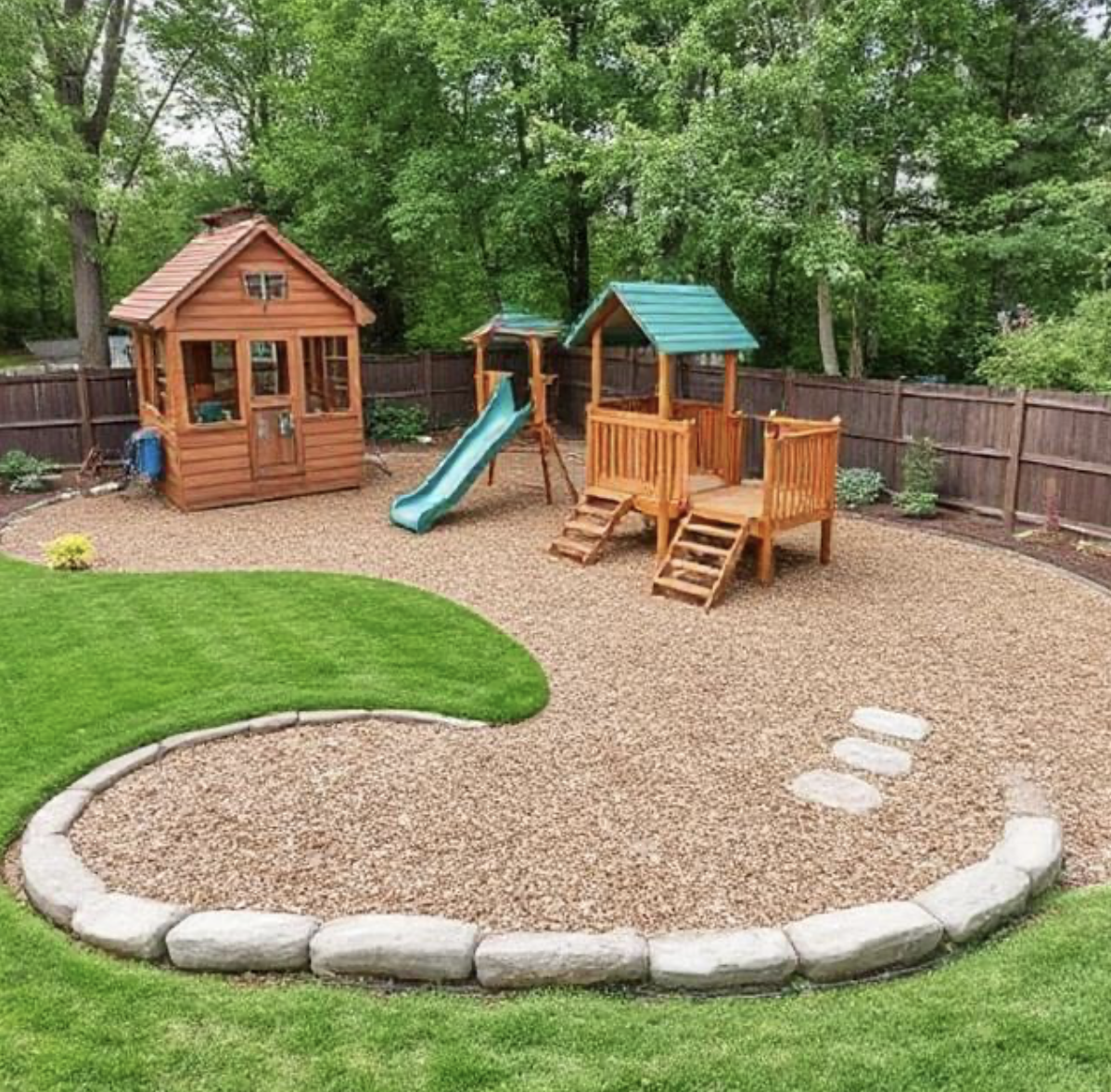
Also, think about the surface materials. Hard surfaces like concrete or bare dirt can lead to serious injuries if your child falls. Instead, choose softer surfaces, such as wood chips, sand, or rubber mulch, that can absorb impact. Additionally, make sure that any equipment you choose has proper safety certifications and complies with local regulations to ensure durability and safety.
Safety doesn’t just apply to the equipment itself. Consider adding safety features such as gates or fencing around the playground if your backyard is near a street, or make sure any surrounding bushes or trees are trimmed to prevent tripping hazards. Constantly inspect your playground to catch wear and tear before it becomes a problem.
Select the Right Equipment
Selecting the right equipment depends on your goals, your kids’ preferences, and the available space. The options are endless, from classic swings and slides to more complex setups like treehouses, climbing structures, and even zip lines. It’s important to pick equipment that will engage your children and encourage them to be active.
When selecting playground equipment, think about how each item supports different types of play. Swings help with balance and coordination, slides promote climbing and spatial awareness, while a sandbox fosters creativity and fine motor skills. Consider adding a variety of equipment to encourage different types of play and give your children a space to grow and learn.
Different kids enjoy different things, so creating a mix of equipment will keep them entertained for longer. Think about including a combination of climbing structures, balance beams, or even outdoor musical instruments for added fun and stimulation.
Choose the Right Materials
The materials you choose for your playground will have a big impact on both its durability and maintenance needs. For example, traditional wood equipment may need to be stained or sealed regularly to prevent decay, while metal structures could get too hot under the sun.
One popular choice for creating a low-maintenance, long-lasting surface is synthetic turf. Install synthetic turf to create a clean, durable surface that provides cushioning for falls and reduces the need for regular upkeep.
Other materials, such as rubber tiles or interlocking rubber mats, are also excellent choices for their durability and cushioning properties. These materials are weather-resistant, easy to maintain, and provide a smooth, even surface. For those seeking a natural aesthetic, engineered wood fiber can be another alternative, providing a softer landing area while maintaining a more natural feel.
Choosing the right surface material depends on your specific needs, climate, and the amount of time you're willing to spend on upkeep.
Maintain It Right
Once your playground is built, the job isn’t finished. Regular maintenance is key to keeping it safe and fun for your kids. This includes checking equipment for any loose bolts, sharp edges, or other potential hazards. You’ll also want to replace any worn-out surfaces like mulch or turf to ensure the playground remains safe and inviting.
Seasonal cleaning is important too, especially if your playground gets a lot of use. Sweep away leaves, debris, or any other build-up that could cause slips or block drainage. Taking the time to maintain the playground will help preserve its quality and keep your kids safe.
Regularly inspect your equipment for any signs of wear, and make any necessary repairs before they become a safety concern. Maintenance is important to ensure your playground remains a safe space for years to come.
Conclusion
Building a backyard playground is a fantastic way to provide your kids with a safe, enjoyable space to play and grow. By carefully planning your goals, understanding your available space, setting a budget, and selecting the right equipment and materials, you’ll be able to create a space that your children will love. Prioritize safety, maintain your playground regularly, and soon enough, you’ll have a fun, lasting outdoor play area that your family can enjoy for years to come.