Top Reasons to Choose a Metal Roof for Your Home
Investing in a long-lasting roof pays off in the long run. When looking for reliable metal roofing contractors, you want a team that delivers quality from beginning to end. Metal roofs provide a winning combination of durability, style, and energy efficiency.
Benefits of Metal Roofing
Metal roofing has grown in popularity for many good reasons. Homeowners can expect to enjoy:
Long lifespan: A well-installed metal roof can last 40 to 70 years. It outperforms asphalt shingles that often need replacement every 15 to 20 years.
Energy efficiency: Metal reflects sunlight instead of absorbing it. This technique reduces attic heat and lowers cooling bills by up to 25 percent.
Low maintenance: Metal resists cracks, erosion, and mildew. You spend less time and money on repairs compared with other roofing materials.
Environmentally friendly: Most metal roofs contain recycled material. At the end of their life cycle, they are fully recyclable.
Resistance to extreme weather: Metal stands strong against high winds, heavy rain, hail, and fire. It keeps your home safe in the face of storms.
Each benefit adds value to your home’s curb appeal and resale price. The initial cost may be higher than shingles, but the energy and repair savings will offset it.
Types of Metal Roofing Panels
Choosing the right panel style helps your roof match your home’s design and climate demands.
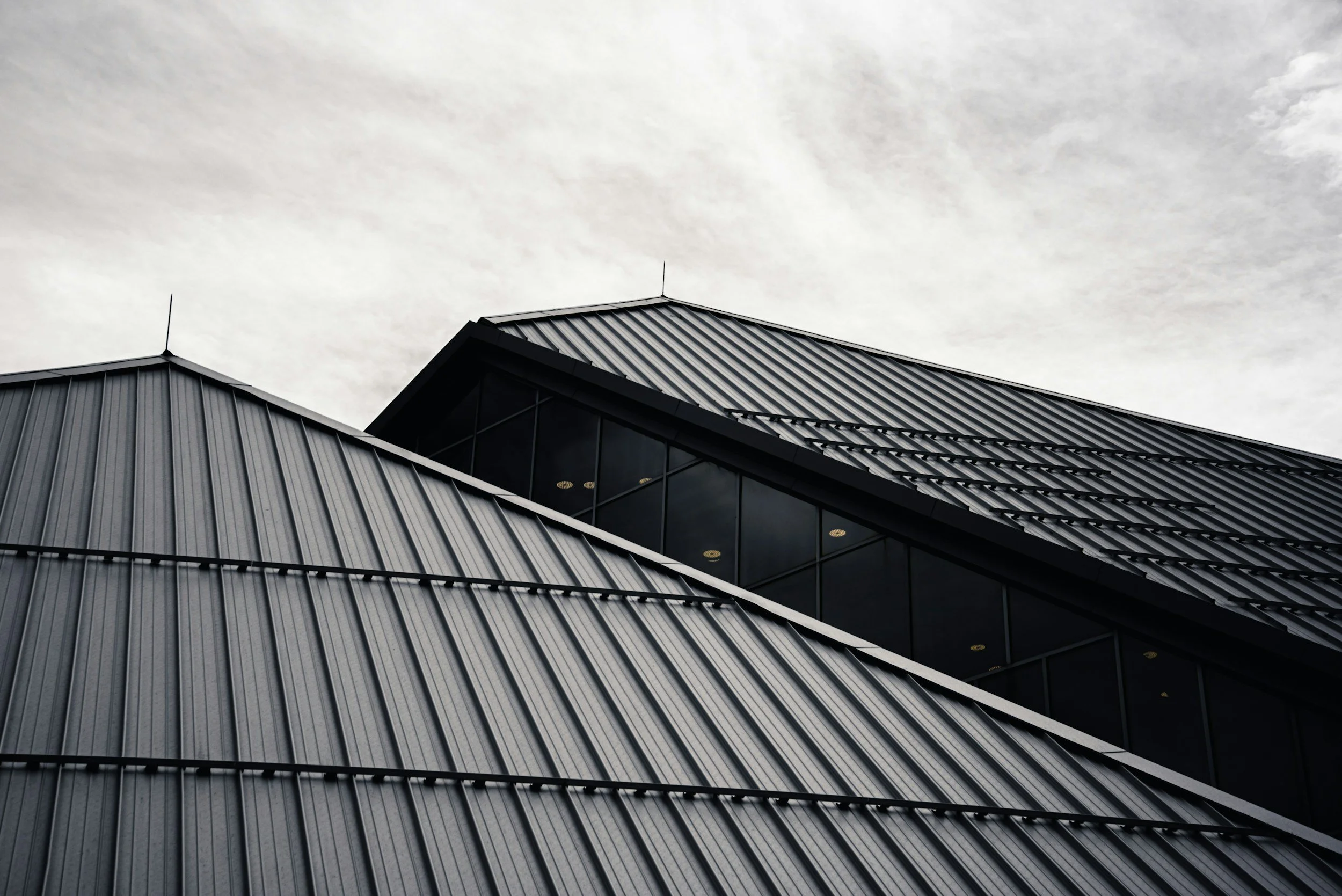
1. Standing seam panels
These panels have raised seams that lock together. They shed water well and offer a sleek, modern look.
2. Corrugated panels
With wavy ridges, corrugated panels cost less and suit agricultural or industrial properties. They also work on residential roofs for a rustic feel.
3. Metal shingles
Shingles mimic traditional asphalt or wood shakes. They blend familiar style with metal’s durability.
4. Metal tiles
These interlocking tiles come in shapes that resemble clay or concrete tile. They handle heavy rain and resist cracking.
5. Stone-coated steel
Steel panels bond with stone chips for a textured finish. They offer extra insulation and noise reduction.
Each style has its pros and cons. Think about your home’s architecture, your budget, and local weather when you select a panel type.
How Installation Works
Installing a metal roof follows a clear sequence. Here is a simple step-by-step guide:
1. Select material and profile
Decide on steel, aluminum, or another alloy and choose your panel style.
2. Remove existing roofing
Tear off old shingles or tiles unless you qualify for a direct-overlay installation.
3. Inspect and repair the deck
Check the plywood or board underneath. Replace any soft or damaged sections.
4. Install underlayment
Lay a water-resistant barrier to prevent leaks under the metal panels.
5. Position drip edges and flashings
Install metal trim along eaves, valleys, and roof penetrations for a watertight seal.
6. Secure metal panels
Fasten each panel according to manufacturer's guidelines. Use exposed or concealed clips.
7. Seal seams and apply finish
Seal panel edges and joints. Add ridge caps, gable trim, and gutter connections.
A professional team can complete most residential installations in just a few days. They follow safety standards, handle waste disposal, and leave your property clean.
Tips for Maintaining Your Metal Roof
A metal roof demands little upkeep, but a few checks each year keep it in top shape.
Inspect after storms: Look for loose panels, dented areas, or damaged flashings.
Clean gutters and downspouts: Remove leaves and debris so water flows freely.
Wash the surface: Gently rinse the roof to clear dust and pollen. Avoid harsh cleaners.
Check fasteners: Tighten screws and replace worn washers to maintain a secure fit.
Touch up scratches: Apply paint kits designed for metal roofs to prevent rust.
By performing these simple tasks once or twice a year, you protect your investment and extend the lifespan of your roof.
Choosing the Right Team
Selecting a skilled installer makes all the difference. Look for these three qualities:
Have experience with metal roofing.
Proper licensing and insurance.
Positive customer reviews and references.
Companies like Embick Roofing have completed hundreds of metal roof projects in South Florida. They know local building codes and climate-related challenges. Before work starts, you should always ask for a thorough project cost estimate, a clear timeline, and a warranty on the project.
Cost Considerations
While a metal roof typically costs more up front than an asphalt shingle roof, you gain value in several ways:
Lower energy bills
Fewer repairs over time
Higher resale value
Common Myths Debunked
Some concerns about metal roofing arise from outdated information. Let's clarify the facts:
1. Metal roofs are noisy in rain
Proper underlayment and insulation absorb sound. Modern metal roofs run as quietly as shingles.
2. They attract lightning
Metal does not increase lightning strikes. It actually disperses electrical charges across the roof surface.
3. They rust quickly
Quality panels include protective coatings. Steel and aluminum resist corrosion for decades.
Conclusion
A metal roof provides unparalleled durability, energy efficiency, and weather resistance. From choosing the proper panel style to hiring skilled installers, each step ensures that you have a worry-free roof for at least 40 years. Begin your adventure today by learning more about metal roofing options and locating a reputable installation near you. With appropriate care and competent service, your metal roof will protect and beautify your home for future generations.