Choosing the Right Hearing Aid: A Step-by-Step Guide
Hearing aids came as a welcome relief for persons with auditory impairments. Thanks to these innovative devices, individuals with hearing disabilities can go about their routines and pursue fulfilling lives pretty much like regular people.
According to findings by Data Bridge Market Research, the Malaysian hearing aid market size was valued at USD 53.34 billion in 2024. The industry is poised to hit USD 113.39 billion by 2032, recording a remarkable compound annual growth rate (CAGR) of 18.88% during the forecast period.
The tremendous growth of Malaysia’s hearing aid market points to a significant surge in the demand for these auditory support systems. But with multiple brands available, picking the right gadget can prove challenging for first-timers.
To help expedite your search, we’ve prepared a step-by-step guide on how to choose the right hearing aid for your needs.
1. Research the Different Designs
The first step when searching for the right hearing aids Malaysia is to research the available designs. While multiple styles exist, the most popular ones include;
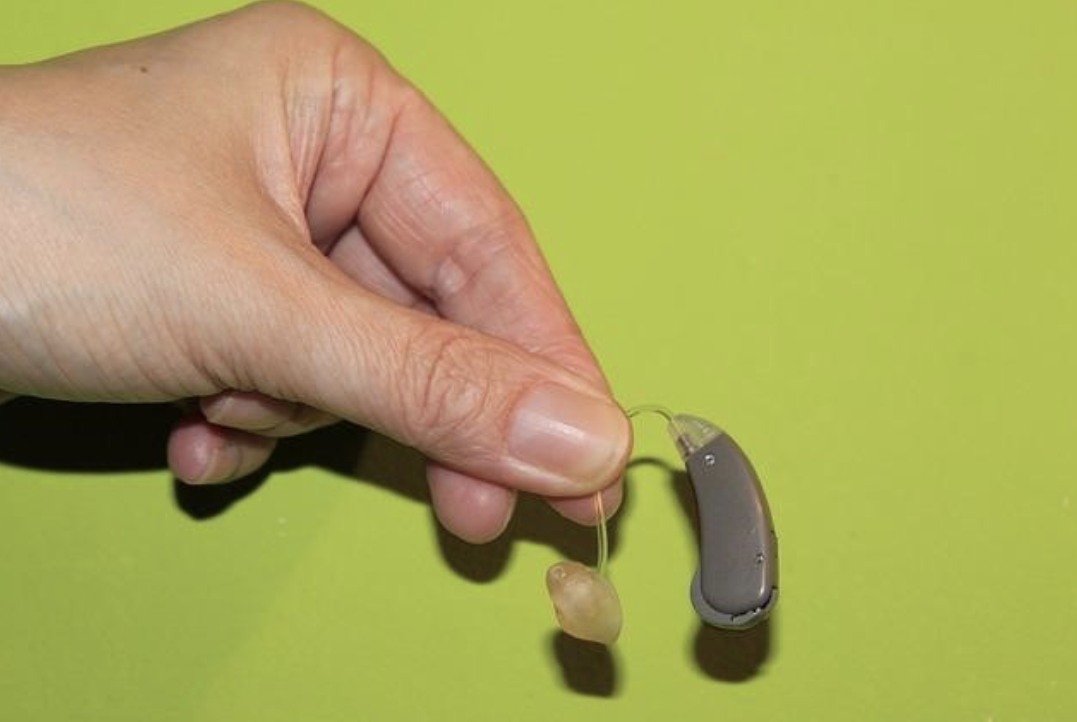
a. Behind-the-Ear (BTE) Hearing Aids
Behind-the-ear hearing aids, as the name implies, are designed to fit behind your ears. They feature a special tube that attaches to an ear mold inside your ear canal.
BETs are comparatively larger than other hearing aids and feature a longer battery life, making them ideal for users of different ages.
b. In-the-Ear (ITE) Hearing Aids
These hearing aids fit entirely inside your outer ear.
Most ITEs are custom-made, making them adaptable to different auditory impairments. But although these gadgets are more discreet than BETs, they’re not ideal for users with larger ear canals.
c. Completely-in-Canal (CIC) Hearing Aids
If maximum discretion is your most desirable feature in a hearing aid, then completely-in-canal hearing aids are the perfect devices for you.
CICs are the tiniest hearing aids available. They fit deep inside your ear canal, making them incredibly unobtrusive.
However, these hearing aids require excellent manual dexterity to insert, adjust, and remove them. Their minute sizes make them unsuitable for users with chubby fingers or larger ear canals.
2. Consider Your Lifestyle
Studies have shown that people with auditory impairments hear differently in various environments. Therefore, it’s prudent to think about your lifestyle before getting a hearing aid.
Do you spend much of your day in noisy environments like the streets, shopping malls, or busy restaurants? If yes, you’ll require a hearing aid equipped with advanced noise-cancelling capabilities.
Conversely, a less sophisticated hearing aid will suit you better if you mostly hang out in quieter settings.

3. Understand Your Degree of Hearing Loss
Like most disabilities, auditory impairments can vary considerably in scope and severity.
Consider the extent of your hearing loss and get a device that caters to your specific condition.
If you’re in doubt, select a hearing aid designed for severe hearing impairment. Such devices may also prove handy if your condition is progressive.
4. Check the Incorporated Technologies
Hearing aids have evolved tremendously over the years, incorporating additional technologies to improve the wearer’s quality of life (QoL). Some salient features to look out for include;
Noise Reduction – Enhances conversations in noisy environments
Tinnitus Masking – Cancels unnecessary noises in the ears, such as ringing and buzzing sounds
Bluetooth Connectivity – Lets you stream music and answer calls directly from the hearing aid
Rechargeable Batteries – Minimizes the hassles of looking for a replacement battery every couple of weeks
5. Assess Its Comfort and Fit
Comfort enhances a hearing aid’s performance by preventing it from slipping or falling out of your ears.
As you’ll probably be wearing a hearing aid for several hours a day, choose a device that fits snugly (not tightly) in your ear.
A good practice is to test-drive a hearing aid before purchasing it. Wear the device for several hours to assess its comfort levels while modeling in different noisy environments.

6. Consider Your Budget
There are no standards guiding the cost of hearing aids. Prices can vary significantly based on your preferred style, brand, and the incorporated technologies. Therefore, it’s essential to have a budget in mind before hitting the stores.
Research the market for insights into the average cost of hearing aids, taking into account price listings by reputable brands. Compare the stores and select one with the most competitive offers.
Some hearing aid sellers also provide flexible financing options, such as insurance and installment payments. Taking advantage of these offerings can help manage hearing aid costs.
Ultimately, remember that quality overrides price considerations when it comes to hearing aids.
7. Insist On a Free Trial
As hinted, the most effective way to test a hearing aid’s efficiency is to wear it in different environments practically. That underscores the need for free trials.
Prioritize stores that offer reasonable free trials on their hearing aids, such as a 30-day money-back guarantee. This enables you to test the gadget and make an informed decision on its suitability for your needs.
Remember also to utilize the opportunity to test-drive the company’s support.

Wrap Up
Implementing these pointers can be a significant step towards finding a hearing aid that addresses your unique needs.
Remember to always try a hearing aid on before paying for it. This way, you can assess the device’s comfort levels and its suitability in various noisy environments.
If you’re shopping for a hearing aid on the internet, buy from stores that offer reasonable trial periods. You can then test-drive the gadget and return it for a refund if it doesn't meet your expectations.