
Essential Home Modifications for Better Accessibility
A comfortable home should allow everyone to move around safely and complete everyday activities with as much independence as possible. However, stairs, narrow doorways, difficult-to-reach fixtures, and outdated home systems can create challenges for people with disabilities, older adults, or anyone experiencing temporary mobility limitations. Making thoughtful modifications can improve accessibility while helping homeowners maintain a practical and welcoming living environment. Whether you're preparing to age in place or adapting a property for a household member with specific needs, the right improvements can make daily routines easier. In this article, we'll explore essential home modifications that support accessibility, improve safety, and create a more functional living space.
Understand Accessibility Needs Before Renovating
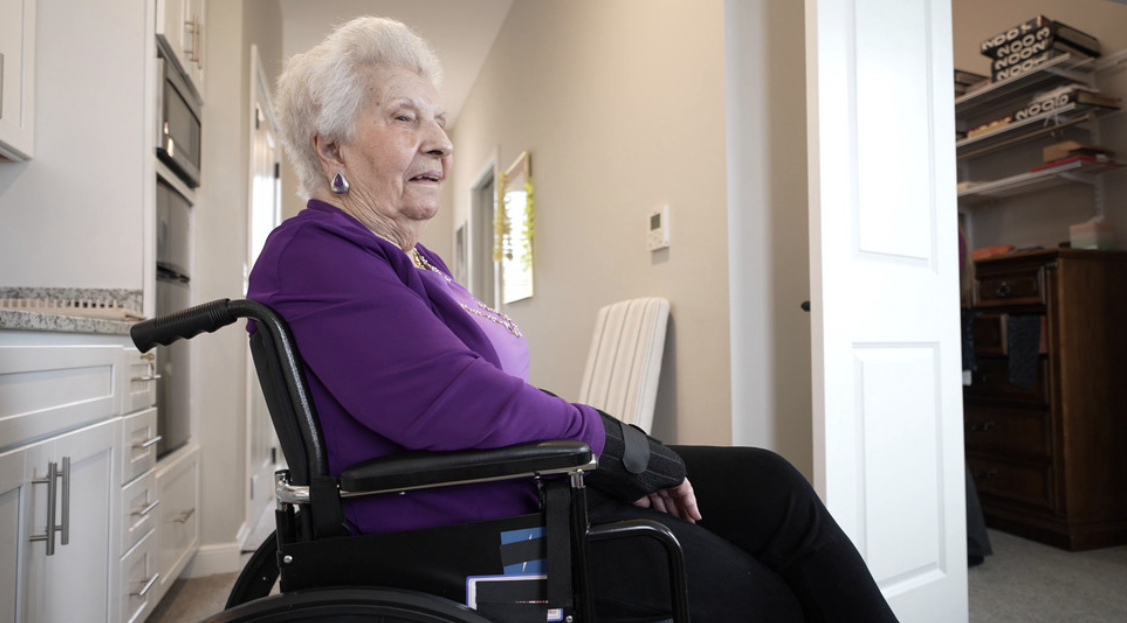
Before beginning a renovation, consider how household members use each room and which obstacles make everyday activities difficult. Someone who uses a wheelchair may need wider doorways and clear turning spaces, while a person with limited balance may benefit from additional handrails and slip-resistant flooring.
Accessibility has also become an increasingly important consideration in building design and public awareness. According to the ADA National Network, the Americans with Disabilities Act (ADA) was signed into law 35 years ago in 1990. Although the ADA establishes important accessibility requirements in covered settings, its standards don't automatically apply to every private residence. Homeowners should determine which requirements apply to their specific property and renovation plans.
Creating a list of priorities can help guide the project. Consider entryways, bathrooms, kitchens, bedrooms, and frequently used outdoor spaces. A professional experienced in accessible design can help identify practical solutions that accommodate current needs while allowing flexibility for the future.
Improve Entryways and Stairway Safety
Steps at entrances and changes in floor height can make it difficult for people with mobility limitations to enter and move through a home. Depending on the property's layout, improvements may include installing a ramp, adding a threshold ramp, widening an entrance, or replacing difficult-to-operate doors with accessible alternatives.
Stairways also deserve careful attention. According to HomeGuide, any staircase with four or more risers needs a handrail for safety. Adding secure, easy-to-grip handrails can provide extra support when moving between floors, particularly for people who have difficulty maintaining their balance.
For homes with multiple levels, a stairlift or residential elevator may provide another option when climbing stairs becomes challenging. These modifications should be selected based on the user's mobility, available space, and ability to operate the equipment safely. Good lighting and clearly visible stair edges can further improve navigation.
Make Bathrooms Safer and More Functional
Bathrooms often contain several accessibility obstacles, including slippery floors, high bathtub edges, and limited space for movement. Fortunately, targeted modifications can make these areas easier and safer to use.
Installing grab bars near toilets and bathing areas can provide additional stability. A walk-in shower with a low threshold, a handheld showerhead, and a built-in or fold-down shower seat may also improve convenience. Slip-resistant flooring can help reduce the risk of falls, while lever-style faucets may be easier to operate than traditional knobs.
The placement of bathroom fixtures matters, too. Adequate clearance around the toilet and sink can make transfers and movement easier. Homeowners planning more extensive renovations should consider whether a roll-under sink, accessible storage, or a wider doorway would better accommodate the intended user.
Adapt Kitchens and Everyday Living Spaces
An accessible kitchen should make essential tasks manageable without requiring excessive reaching, bending, or standing. Pull-out shelves, drawers, and lower storage areas can keep frequently used items within reach. Lever-style handles and easy-to-operate cabinet hardware may also reduce physical strain.
Depending on household needs, homeowners might consider adjustable countertops, accessible appliance controls, or improved clearance between cabinets. Open floor space can help people using wheelchairs or walkers move around more comfortably.
Lighting and electrical access are important throughout the home as well. According to HomeAdvisor, you should replace your electrical panel if it is over 25 years old. Because electrical work can affect household safety, have a licensed electrician assess an aging panel and determine whether replacement is necessary. Electrical upgrades can also be planned alongside other renovations to accommodate changing household needs.
Home accessibility modifications can improve safety, independence, and everyday comfort for people with a wide range of mobility needs. From safer stairways and accessible bathrooms to more functional kitchens and updated electrical systems, thoughtful improvements can make a home easier to navigate. Start by identifying the most significant barriers, prioritizing essential changes, and consulting qualified professionals when needed. With careful planning, you can create a living space that better supports your household today and adapts to future needs.