How to Get Rid of Bed Bugs: Step-by-Step Treatment Options Explained
Bed bugs are among the most persistent and unwelcome pests homeowners face. These tiny blood-sucking insects can cause significant discomfort, sleepless nights, and even psychological stress. Whether you're dealing with a minor infestation or a full-blown outbreak, the key to success lies in early detection, thorough treatment, and long-term prevention.
Identifying a Bed Bug Infestation
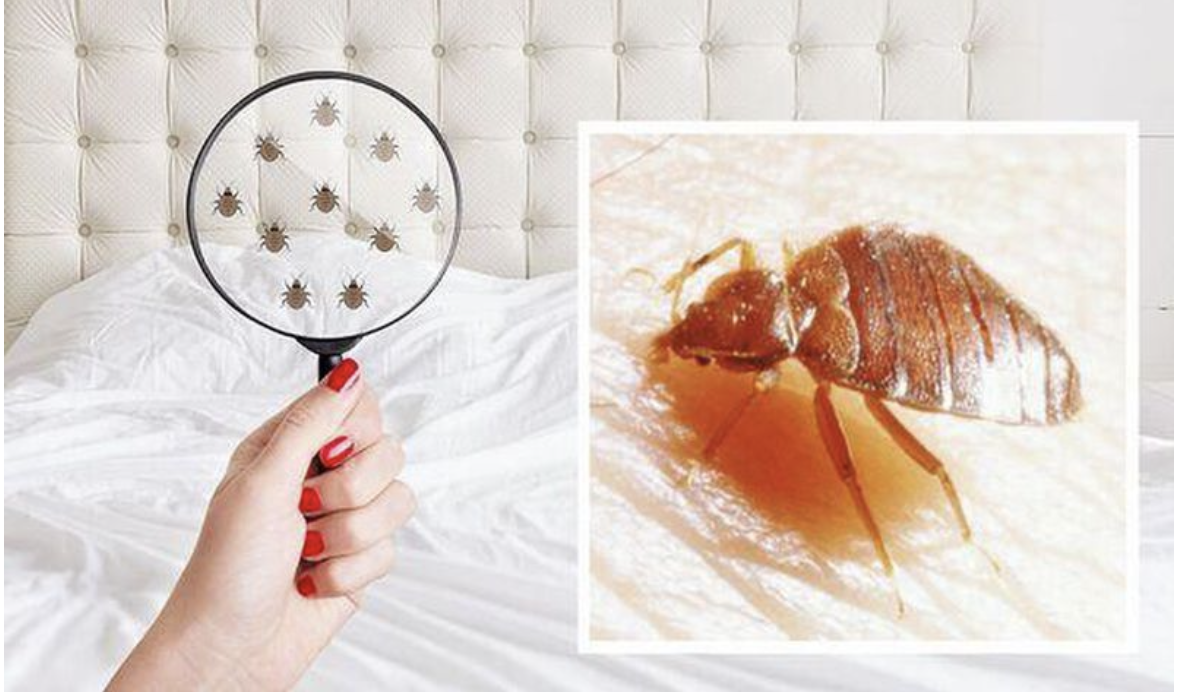
Before diving into treatment methods, it's essential to confirm whether you're truly dealing with bed bugs. These insects are small, flat, and reddish-brown, typically no larger than an apple seed. They hide in mattress seams, bed frames, furniture crevices, and cracks in the wall.
Common signs of an infestation include:
Rust-colored stains on sheets or mattresses
Shed exoskeletons in bedding and nearby furniture
A sweet, musty odor in heavily infested rooms
Itchy, red bite marks, often in a line or cluster on exposed skin
Once you confirm their presence, act quickly to minimise their spread.
Step 1: Isolate the Infested Area
The first step in dealing with bed bugs is to contain the infestation. Strip all bedding, curtains, and clothing from the affected area and seal them in plastic bags. Wash them in hot water (at least 120°F) and dry them on the highest dryer setting. Heat is one of the most effective ways to kill bed bugs at all life stages.
Vacuum thoroughly around the bed, baseboards, and furniture. Immediately dispose of the vacuum bag in a sealed plastic bag and place it outside your home.
Step 2: Apply Effective Bed Bug Treatment Solutions
Choosing the right treatment is critical. There are a variety of options available, ranging from DIY remedies to professional services. For severe infestations, it’s best to rely on effective bed bug treatment solutions that ensure thorough and lasting results. Each option has its own pros and cons depending on the severity of the infestation
1. Chemical Insecticides
Over-the-counter sprays and powders can be helpful in minor infestations. Look for EPA-approved products specifically designed for bed bugs. Apply these products carefully in cracks, mattress seams, and along baseboards. Be sure to follow safety guidelines, especially when treating sleeping areas.
Common active ingredients include:
Pyrethrins and Pyrethroids – These are widely used but some bed bugs have developed resistance.
Desiccants – These destroy the bug's protective outer coating, leading to dehydration.
Biochemicals – Cold-pressed neem oil is an effective natural solution.
2. Heat Treatments
Professional heat treatment is one of the most powerful ways to eliminate bed bugs. Technicians use specialized equipment to raise the temperature in the affected room to 130°F or higher. This kills all bed bugs, including eggs, without leaving behind any chemical residue.
3. Cold Treatments
Cryonite machines blast CO₂ snow into infested areas, freezing the bugs instantly. While effective, this method is best suited for commercial spaces or where heat treatments aren't feasible.
4. Steam Treatments
Steamers can penetrate fabric and furniture surfaces, killing bed bugs and their eggs on contact. This method is ideal for mattresses, box springs, and upholstery.
Step 3: Encase and Monitor
After treating the area, encase your mattress and box spring in bed bug-proof covers. These zippered encasements prevent any surviving bugs from escaping and stop new ones from getting in.
Install bed bug interceptors under bed and furniture legs. These devices trap any bugs attempting to climb up or down, allowing you to monitor the effectiveness of your treatment.
Step 4: Repeat Treatments if Necessary
Bed bugs are notoriously resilient. It's common for some to survive the initial treatment. Continue inspecting and treating the infested area every 7–10 days for at least a month. Persistence is key.
If the infestation persists after multiple treatments, consider hiring a licensed professional specializing in pest control in Dayton Ohio. Their expertise and access to industrial-grade equipment often make the difference in severe cases.
Step 5: Prevent Future Infestations
After clearing an infestation, you’ll want to avoid going through the ordeal again. Prevention requires vigilance.
Here are some proven prevention tips:
Avoid purchasing second-hand mattresses or furniture without a thorough inspection.
Regularly vacuum floors, baseboards, and upholstery.
Use protective mattress encasements.
Reduce clutter around sleeping areas to eliminate hiding spots.
Be cautious when traveling—inspect hotel mattresses and keep luggage off the floor.
When to Call a Professional
DIY efforts are suitable for mild cases, but larger infestations require professional intervention. Signs you should hire a pest control expert include:
Multiple rooms infested
Presence of bed bugs after several DIY treatments
Sensitive individuals in the home (infants, elderly, allergy sufferers)
Licensed exterminators can perform a detailed inspection and implement advanced methods such as whole-room heat treatments, chemical barrier applications, or integrated pest management (IPM) strategies.
Frequently Asked Questions (FAQs)
How long does it take to get rid of bed bugs completely?
Depending on the treatment method and severity, it can take anywhere from a few weeks to a couple of months. Consistent monitoring and repeated applications may be necessary.
Are bed bugs dangerous?
They aren’t known to transmit diseases, but their bites can cause allergic reactions, itching, and infections from excessive scratching.
Can bed bugs survive without feeding?
Yes. Adult bed bugs can live for up to a year without feeding in cooler conditions, which is why they can be so persistent.
What is the most effective bed bug killer?
Heat treatment is considered the most effective single solution. However, combining methods often yields the best results.
Do bed bugs only live in beds?
No. They can hide in sofas, luggage, carpets, electrical outlets, and behind picture frames.
In summary, eliminating bed bugs requires a structured, multi-step approach involving thorough cleaning, targeted treatments, and consistent follow-up. Whether you opt for chemical, heat, steam, or cold solutions, early action and perseverance are essential for long-term success.