Safe and Fun RC Planes for Kids
Remote control planes offer children an incredible opportunity to explore the world of aviation while developing hand-eye coordination, spatial awareness, and problem-solving skills. These miniature aircraft have evolved significantly over the years, becoming more accessible, affordable, and safer for young pilots. Today's RC planes designed for kids combine cutting-edge technology with thoughtful safety features that allow children to experience the thrill of flight without unnecessary risks.
Choosing the right RC plane for your child can seem overwhelming with countless options flooding the market. Parents naturally want to find models that balance excitement with security, ensuring their children can enjoy this engaging hobby without frustration or danger. Modern beginner-friendly RC planes incorporate durable materials, intuitive controls, and stability-enhancing features that make learning to fly surprisingly straightforward. Whether your child dreams of becoming a pilot or simply loves the idea of controlling something soaring through the sky, the right RC plane can provide countless hours of outdoor entertainment while fostering valuable skills that extend far beyond the flying field.
Introduction to RC Planes
Remote control planes consist of several interconnected components that work together to achieve controlled flight. At the heart of every RC plane is the transmitter, which the pilot holds, and the receiver installed in the aircraft that interprets radio signals. The motor provides thrust, either through a propeller in electric models or through fuel combustion in nitro-powered versions. Control surfaces including ailerons, elevators, and rudders respond to transmitter inputs, allowing the pilot to maneuver the plane through rolls, climbs, and turns.
Modern beginner RC planes typically use lightweight foam construction that absorbs impacts without catastrophic damage. The electronic speed controller regulates power delivery to the motor, while servos translate electrical signals into physical movements of the control surfaces. Battery technology has revolutionized the hobby, with rechargeable lithium polymer batteries providing excellent power-to-weight ratios and convenient operation without messy fuels. Understanding how throttle controls altitude and speed, while the control stick manages direction and orientation, forms the foundation of successful flying. Most entry-level planes feature simplified control schemes, often limiting movement to just two or three channels rather than the full four-channel systems used by experienced pilots, making the learning curve much gentler for young aviators.
Safety Features
The most critical safety feature in beginner RC planes is the automatic stabilization system, which uses gyroscopes and accelerometers to detect unwanted movements and automatically correct them before the plane enters dangerous attitudes. These self-leveling systems prevent crashes by keeping the aircraft upright even when the young pilot releases the controls. Propeller guards create a protective barrier around spinning blades, preventing injuries during ground handling and reducing damage during minor collisions with obstacles.
Quality RC planes incorporate low-voltage cutoffs that prevent battery over-discharge, which could lead to power loss mid-flight and subsequent crashes. Durable foam construction, specifically expanded polypropylene or expanded polyolefin materials, withstand repeated impacts that would destroy traditional balsa wood structures. Geofencing capabilities in advanced models establish virtual boundaries that prevent the plane from flying too far away, while beginner modes limit speed and responsiveness to prevent over-control. Bright color schemes enhance visibility against various sky conditions, helping young pilots maintain visual contact with their aircraft. Finally, reliable fail-safe programming ensures the plane enters a controlled descent or circle pattern if radio signal is lost, rather than flying away uncontrollably until the battery depletes.
Top Recommendations for Beginners
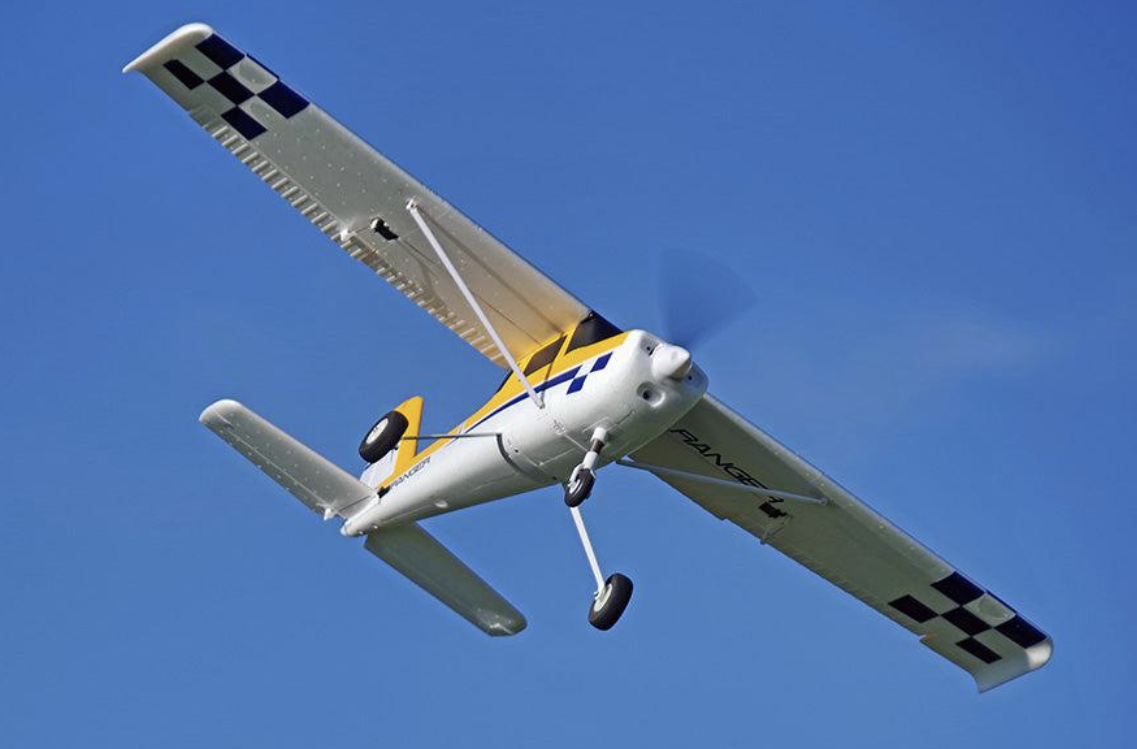
When selecting an RC plane for young beginners, prioritize models specifically engineered for first-time pilots rather than scaled-down versions of advanced aircraft. The ideal starter plane features a high-wing configuration, which provides inherent stability by positioning the center of gravity below the wing, naturally resisting unwanted rolls and maintaining level flight. Trainer planes with this design practically fly themselves, requiring minimal input corrections from nervous young hands.
Look for ready-to-fly packages that include everything needed except batteries, eliminating the frustration of sourcing compatible components separately. These comprehensive sets typically bundle the aircraft, transmitter, battery, and charger in one box, allowing your child to experience flight within hours of opening the package. Electric-powered models prove far superior to fuel-based alternatives for beginners, offering quiet operation, cleaner handling, and significantly lower ongoing costs without compromising performance.
The wingspan matters considerably for beginner success. Planes measuring between 24 to 36 inches provide an excellent balance between wind resistance and maneuverability, remaining controllable in light breezes while still being responsive enough to feel engaging. Slower flying speeds, typically under 20 miles per hour in beginner modes, give young pilots adequate reaction time to process what's happening and make appropriate corrections. Three-channel control systems, managing throttle, elevator, and rudder without ailerons, simplify the learning process by reducing the number of simultaneous inputs required. As skills develop, many quality beginner planes allow progression to full four-channel control by activating previously locked features, extending the useful life of the investment and growing alongside your child's advancing capabilities.
FMS Model
FMS Model produces exceptional trainer aircraft that have earned widespread recognition in the RC community for reliability and beginner-friendly characteristics. Their Easy Trainer series exemplifies thoughtful design for young pilots, incorporating three-level flight modes that progressively unlock capabilities as confidence builds. In beginner mode, the plane maintains strict self-leveling and limits bank angles, making crashes nearly impossible during initial flights. Intermediate mode relaxes these restrictions slightly while maintaining safety nets, and expert mode provides full aerobatic capability for when skills mature.
The construction quality of FMS Model trainers stands out with durable EPO foam that flexes on impact rather than shattering, surviving the inevitable learning bumps without requiring immediate repairs or replacement parts. Pre-installed brushless motors deliver reliable power with minimal maintenance requirements, while the included stabilization system actively compensates for pilot errors and wind gusts. The modular design allows quick battery changes between flights, maximizing flying time during precious outdoor sessions.
FMS Model trainers typically arrive nearly complete, requiring only minimal assembly like attaching the wing and installing the battery before the maiden flight. The included 2.4GHz transmitter provides interference-free operation even when multiple pilots fly simultaneously at the same location, a common situation at parks and flying fields. Clear instructional materials guide parents and children through setup procedures and basic flying techniques, while the responsive customer support network helps troubleshoot any issues. The balanced flight characteristics make these planes forgiving of mistakes while still providing enough responsiveness to feel exciting, striking that difficult balance between boring stability and overwhelming sensitivity that defines truly excellent beginner aircraft.
Best RC Planes for Kids
Beyond specific brands, several aircraft categories consistently deliver positive first-flight experiences for children. Glider-style planes with extended wingspans and minimal power requirements teach fundamental control principles without the pressure of maintaining altitude through throttle management. These graceful aircraft catch rising air currents and can stay aloft for extended periods on minimal battery power, allowing young pilots to focus entirely on directional control and gentle maneuvering rather than constantly fighting gravity.
Pusher-prop configurations, where the propeller mounts behind the wing rather than at the nose, offer enhanced safety during ground handling since curious fingers naturally reach toward the front of the plane where no spinning blades exist. These designs also protect the propeller during nose-first landings, which happen frequently during the learning phase. Compact park flyers measuring under 30 inches excel for families with limited outdoor space, performing beautifully in backyards and small fields where larger aircraft would feel cramped and dangerous.
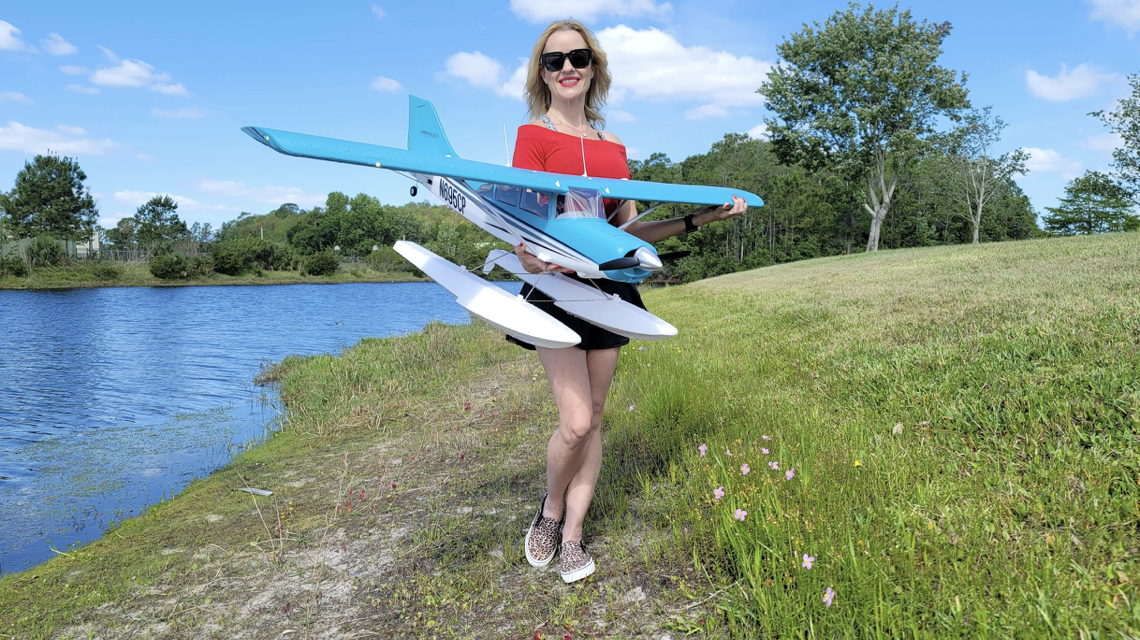
Floatplane variants add exciting versatility by enabling water takeoffs and landings, transforming any calm pond or lake into a flying field while providing the safety cushion of softer water landings compared to unforgiving ground. The visual appeal of these specialized designs often captivates children who might otherwise lose interest quickly. Lightweight indoor flyers constructed from ultralight materials allow year-round flying regardless of weather, operating safely inside gymnasiums or large rooms when outdoor conditions prove unsuitable. These tiny aircraft teach control skills that transfer directly to outdoor models while building confidence in a controlled environment where wind and distance aren't factors.
How to Choose the Right RC Plane
Selecting the appropriate RC plane requires careful consideration of your child's age and physical capabilities. Children under seven typically lack the fine motor control and patience needed for traditional RC planes, making them better suited for simplified infrared-controlled indoor models or hand-launched gliders. Kids between seven and ten can handle basic three-channel planes with stabilization systems, while children over ten may progress to more responsive four-channel aircraft if they demonstrate sustained interest and responsibility.
Assess your child's experience level honestly rather than optimistically. A first-time pilot needs a forgiving trainer with self-leveling technology and crash-resistant construction, regardless of age. Children with previous experience flying drones or simpler RC toys may advance more quickly, but starting with beginner-specific models still prevents discouragement from early crashes. Consider your budget comprehensively, accounting not just for the initial aircraft purchase but also spare batteries, replacement propellers, and eventual repairs. Quality entry-level planes typically cost between fifty and one hundred fifty dollars, with ready-to-fly packages offering better value than purchasing components separately.
Evaluate your available flying space before selecting a wingspan size. Smaller parks and backyards require compact models under 30 inches, while open fields accommodate larger, more stable aircraft. Consider weather patterns in your area, as lightweight planes struggle in windy conditions that wouldn't ground heavier models. Think about portability if you plan to travel to different flying locations, since some planes disassemble easily while others require careful transport fully assembled. Finally, investigate parts availability for your chosen model, ensuring replacement components remain accessible as your child inevitably needs repairs during the learning process.
Setting Up Your RC Plane
Begin setup by carefully unpacking all components and inspecting them for shipping damage, checking that the foam surfaces remain intact and control surfaces move freely without binding. Charge the flight battery fully according to manufacturer specifications, typically requiring 60 to 90 minutes for initial charging, and never attempt flying with a partially charged battery as premature power loss creates dangerous situations. Install the battery in the designated compartment, ensuring it sits securely and the connector clicks firmly into place, as loose batteries shift during flight and destabilize the aircraft.
Attach the wing to the fuselage using the provided rubber bands, clips, or locking mechanisms, verifying alignment by viewing the plane from behind to confirm both wing halves sit at identical angles. Turn on the transmitter first, then connect and power the plane's receiver, always following this sequence to prevent the aircraft from receiving random signals and moving unexpectedly. Perform a range check by walking 30 to 50 feet away while a helper holds the plane, confirming all control surfaces respond correctly to transmitter inputs without delay or erratic behavior.
Complete pre-flight checks by gently moving each control surface by hand while watching for binding or resistance, then centering all transmitter trims so the plane sits naturally balanced. Test the throttle response by gradually advancing power, listening for smooth motor operation without stuttering or unusual sounds. For the maiden flight, choose a calm day with minimal wind, arriving at an open area free from trees, power lines, and people, ideally during morning or evening when air remains most stable and forgiving for nervous first-time pilots.
Flying Tips and Tricks
Master the takeoff by positioning the plane directly into any breeze, advancing the throttle smoothly to about three-quarters power, and allowing the aircraft to accelerate naturally along the ground until it lifts off on its own rather than forcing it into the air prematurely. During those critical first seconds of flight, resist the urge to make aggressive control inputs, instead applying gentle corrections to maintain a straight climbing path until reaching a comfortable altitude of 50 to 100 feet where mistakes become more forgiving.
Practice flying rectangular patterns at consistent altitude, focusing on smooth, coordinated turns rather than jerky movements that destabilize the aircraft. When the plane drifts away from you, remember that control inputs remain relative to the aircraft's orientation, not yours, meaning right stick input turns the plane's right, which appears as left when flying toward you. This counterintuitive aspect causes most beginner crashes, so practice figure-eight patterns to build orientation awareness. Keep the aircraft within comfortable visual range where you can clearly distinguish its attitude, typically no more than 200 feet distant for small planes.
Approach landing by reducing throttle gradually while flying parallel to your position, then turning gently into the wind for the final descent. Aim to touch down 20 to 30 feet in front of yourself, applying slight up-elevator just before ground contact to flare and reduce descent rate. Accept that early landings will be rough, and prioritize getting the plane down safely over achieving perfect touchdowns. Always land with sufficient battery remaining, typically stopping flight when the plane shows reduced power or the low-voltage alarm activates, as attempting to stretch flight time leads to dead-stick emergencies requiring advanced skills beyond beginner capabilities.
Maintenance and Care
Regular maintenance begins immediately after each flight session by removing grass, dirt, and debris from the airframe using a soft brush or compressed air, paying particular attention to control surface hinges where grit accumulates and causes binding. Inspect the propeller for cracks, chips, or imbalance after every few flights, replacing damaged props immediately since even minor damage creates dangerous vibrations that stress the motor and electronic components. Check all screws and connections for tightness, as vibration gradually loosens fasteners during flight, potentially leading to in-air failures if left unaddressed.
Battery care directly impacts both safety and longevity of your RC plane investment. Never store lithium polymer batteries fully charged or completely depleted; instead maintain them at approximately 60 percent capacity for long-term storage to prevent permanent damage. Allow batteries to cool for at least fifteen minutes after flying before recharging, and never leave charging batteries unattended or charge them on flammable surfaces. Examine battery packs regularly for swelling, damage, or unusual warmth, immediately retiring any compromised cells since failing batteries pose fire risks.
Store your RC plane in a cool, dry location away from direct sunlight, which degrades foam and weakens adhesives over time. Remove the battery from the aircraft during storage to prevent accidental activation and slow discharge that could damage electronics. Keep spare propellers, rubber bands, and common replacement parts on hand so minor repairs don't ground the plane for extended periods. Clean the motor occasionally by blowing out dust accumulation, and verify servo operation remains smooth and responsive. These simple maintenance habits ensure your child's RC plane delivers reliable performance season after season while minimizing frustrating breakdowns that interrupt flying fun.
Starting Your Child's RC Aviation Journey
Introducing your child to RC planes opens a gateway to outdoor adventure, technical learning, and skill development that extends far beyond simple entertainment. The modern selection of beginner-friendly aircraft equipped with stabilization systems, durable construction, and intuitive controls makes this hobby more accessible than ever before. By choosing age-appropriate models with proper safety features, you provide your child with a rewarding challenge that builds confidence, hand-eye coordination, and spatial reasoning while fostering appreciation for aviation and engineering principles.
Success in this hobby depends on selecting the right equipment matched to your child's abilities, starting with forgiving trainer models that prevent discouragement from early mistakes. Patient practice in suitable flying conditions, combined with proper maintenance and care, ensures countless hours of enjoyment while keeping safety paramount. Whether your child dreams of piloting full-scale aircraft someday or simply loves the thrill of controlling something soaring through the sky, a well-chosen radio airplanes for beginners creates memories and teaches valuable lessons about persistence, responsibility, and the joy of mastering new skills. Take the time to research options thoroughly, invest in quality beginner equipment, and join your child in this exciting journey into the world of radio-controlled flight.