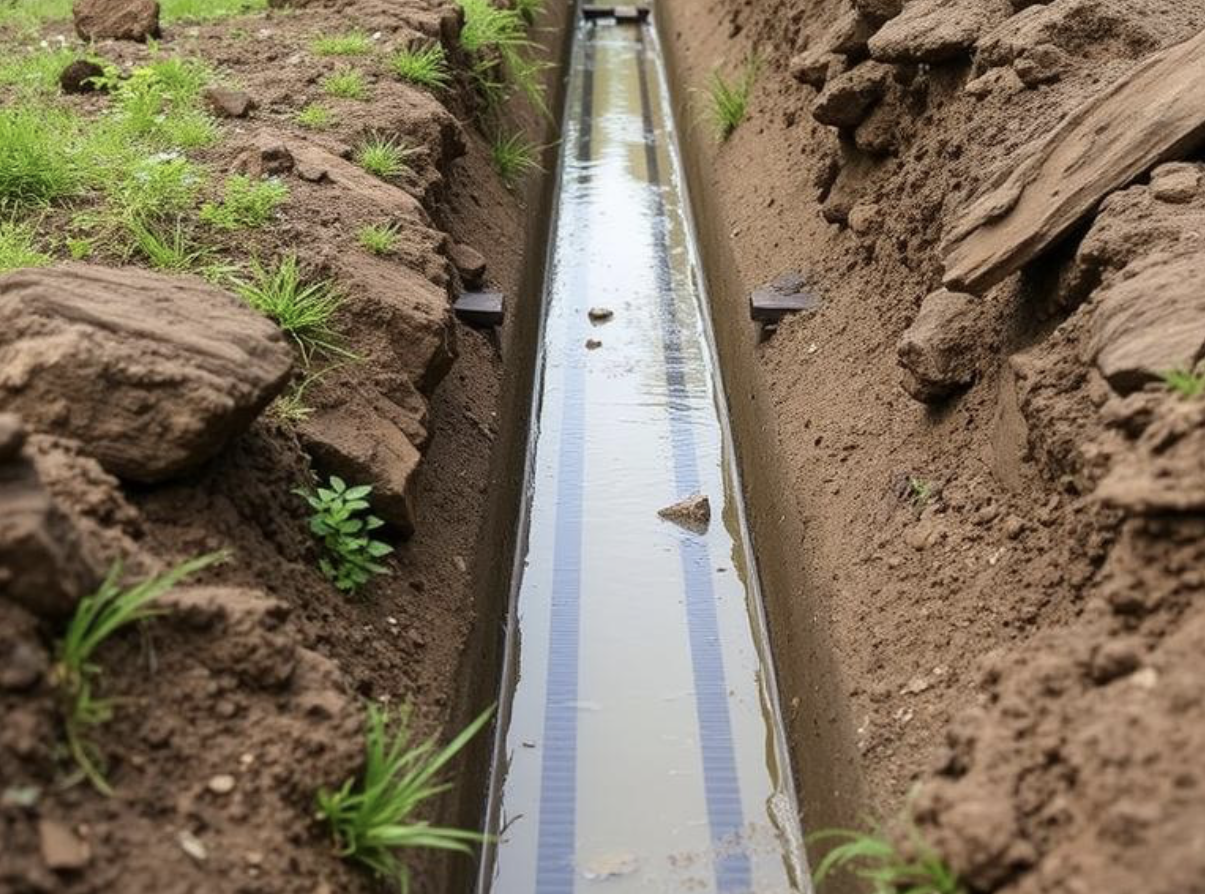
Channel Trench Drain: The Ultimate Solution for Efficient Water Management
Effective water management is a critical component of urban planning and infrastructure development. With the increasing intensity of rainfall and the expansion of impermeable surfaces in urban environments, managing surface water becomes a matter of pressing concern. One of the most efficient methods to address this issue is through the implementation of a channel trench drain system. These systems are designed to provide a long-lasting solution to drainage issues by effectively managing and channelling water away from structures and preventing the accumulation of surface water.
The Importance of Proper Drainage Solutions
Before delving into the specifics of channel trench drains, it’s essential to understand the importance of proper drainage. Poor drainage can lead to a myriad of problems, including waterlogging, soil erosion, structural damage, and even pose health risks due to stagnant water that can become a breeding ground for pests. As urban areas continue to grow, the management of excess water runs the risk of overwhelming traditional drainage systems, necessitating more innovative and effective solutions.
Understanding Channel Trench Drains
A channel trench drain is a type of surface water drainage system that quickly diverts water through a linear channel. Unlike traditional piping, a trench drain is set into the ground and covered by a grating that is flush with the surface. This design serves to collect water over a wide area and funnel it away from critical zones to designated drainage points.
The Design and Functionality
The fundamental design of a channel trench drain involves a trench cut into the ground, lined with a precast concrete or plastic channel, and covered by a grating that can withstand different loads. The channels are integrated into the surface to provide an unobtrusive and functional water management system. Their design is highly adaptable, allowing them to be used in various contexts—from airports and highways to residential driveways and gardens.
Adaptability and Versatility
One of the key benefits of channel trench drains is their versatility. They can be customised to fit a wide range of environments and requirements. The size, shape, and material of the grating can be tailored to match the aesthetic and functional needs of a project. Whether the setting demands a discreet system that blends into the urban landscape or a heavy-duty variant that can bear the weight of vehicular traffic, the channel trench drainage system can be configured accordingly.
Benefits of Channel Trench Drains
Employing a channel trench drain system offers multiple advantages. Firstly, they are highly efficient at water collection and removal, reducing the potential of water damage and erosion. Secondly, they are low maintenance; the grating can be lifted for easy access and cleaning, ensuring that the system remains unobstructed.
Environmental Considerations
In addition to their practical advantages, channel trench drains play an important role in environmental sustainability. By managing stormwater runoff, these systems can reduce the chances of localised flooding and mitigate the contamination of natural watercourses with pollutants carried by surface runoff. Furthermore, channel trench drains can be integrated with water harvesting systems, contributing to water conservation efforts.
Installation and Maintenance
The installation process for channel trench drains is relatively straightforward, although it requires professional expertise to ensure appropriate placement, gradient, and connection to the existing drainage infrastructure. Maintenance involves periodic checks to remove debris and ensure the channel remains clear for water passage.
Choosing the Right Channel Trench Drain
Selecting the appropriate channel trench drain system for a specific project is a crucial step. Factors to consider include the expected volume and velocity of water, load-bearing requirements, and compatibility with surrounding aesthetics. High-quality systems, constructed from durable materials, and designed to withstand the specific conditions they will encounter, are of paramount importance.
Material Quality and Durability
Materials such as polymer concrete, fiberglass, and galvanised steel are commonly used in the construction of channel trench drains. The choice of material impacts the longevity and resilience of the system, especially in environments that face extreme weather or heavy traffic.
Safety and Compliance
Furthermore, safety standards and local regulations must be adhered to when selecting a channel trench drain. The gratings must be designed to prevent hazards, such as tripping or the entrapment of wheels or heels. Compliance with codes and standards ensures that the system is not only efficient but also safe for public use.
Conclusion
The implementation of a channel trench drain is an optimal solution for contemporary drainage challenges. With their high efficiency, versatility, and low maintenance, these systems serve to protect urban landscapes and structures from water damage, whilst promoting environmental sustainability. By carefully selecting the right system for the task, cities and private property owners can significantly enhance their water management practices, ensuring the safety and integrity of their spaces for years to come.
To summarise, channel trench drains represent an advanced, effective, and adaptable option in the realm of drainage solutions. Understanding their significance and functionality is the first step towards mitigating the challenges posed by increased rainfall and urban expansion. With the right planning and implementation, these systems can provide crucial support in maintaining safe and functional environments.