
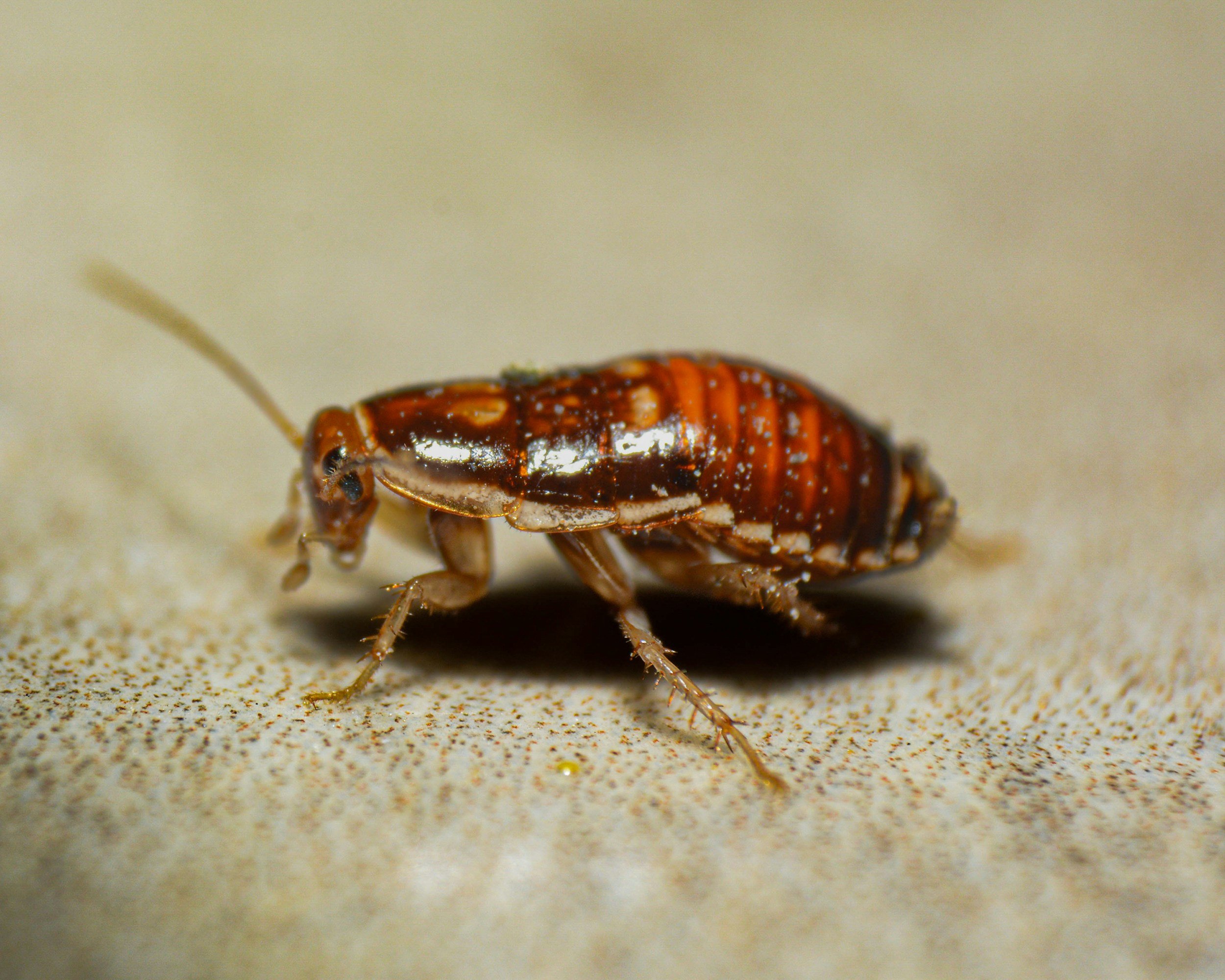
Exploring Natural Habitats: Understanding Insect Behavior for Effective Pest Management
Most people do not enjoy seeing insects inside their homes or around their gardens. But before you try to remove them, it is important to understand where they come from and how they live. Insects are part of the natural world, and each one has a place in nature.
By learning how insects behave in their own habitats, you can find better ways to manage them without using too many chemicals or harmful treatments. Continue reading to discover everything you need to know.
Insects Live Where They Find Food, Water, and Shelter
All insects need the same three things to survive: food, water, and a safe place to live. Many insects are drawn to homes and gardens because these places offer easy access to all three. Ants follow scent trails to crumbs in the kitchen. Mosquitoes lay eggs where water stands still.
Termites look for wood that is damp or soft. These habits are not random-they are based on the insects' natural needs. When you remove these sources, the insects are less likely to stick around.
When you know why insects act the way they do, you can stop problems before they begin. If you feel unsure about how to begin, it is a smart idea to talk to an expert who understands pest behavior and natural control methods.
Knowing Where Insects Hide Helps You Stop Them Early
In the wild, insects hide under leaves, in the soil, or inside rotting wood. Inside homes, they look for places that feel similar, like basements, behind walls, or in piles of paper and boxes. If you understand where insects prefer to hide, you can check these places often and take action early. Spotting insects before they grow in number gives you a better chance of stopping a full infestation.
Some Insects Are Helpful and Should Be Left Alone
Not every insect is a pest. Some insects help control other bugs that cause damage. Ladybugs eat aphids in gardens, and certain wasps keep harmful caterpillars away. Bees help plants grow by spreading pollen.
Learning which insects are helpful and which ones are harmful helps you make smart choices. This way, you can protect the good insects and remove the ones that cause problems.
Seasons Change Insect Behavior
Insects act differently during each season. In the warmer months, they are more active because there is more food and water. In the cold months, some insects come inside looking for warmth.
Understanding these seasonal patterns can help you plan ahead. You can seal up cracks, clean out gutters, and remove standing water before insects arrive.
Natural Methods Work Best When You Understand Behavior
If you know why insects come inside and what they are looking for, you can stop them using simple, safe methods. Cleaning up food, fixing leaks, and trimming plants away from walls can make a big difference.
These steps work better when you understand how insects think and move. Natural pest control is not just safer-it is also smarter.
Use Knowledge to Stay in Control
You do not need to be afraid of insects, but you do need to understand them. By exploring their habits in nature, you learn how to prevent problems in your home and garden. With the right steps, you can keep your space clean and safe without using harsh sprays or chemicals.
If you need help making a plan that works for your property, now is the perfect time to take control of your pest problems the smart way. Expand your knowledge and check out more posts on our blog!