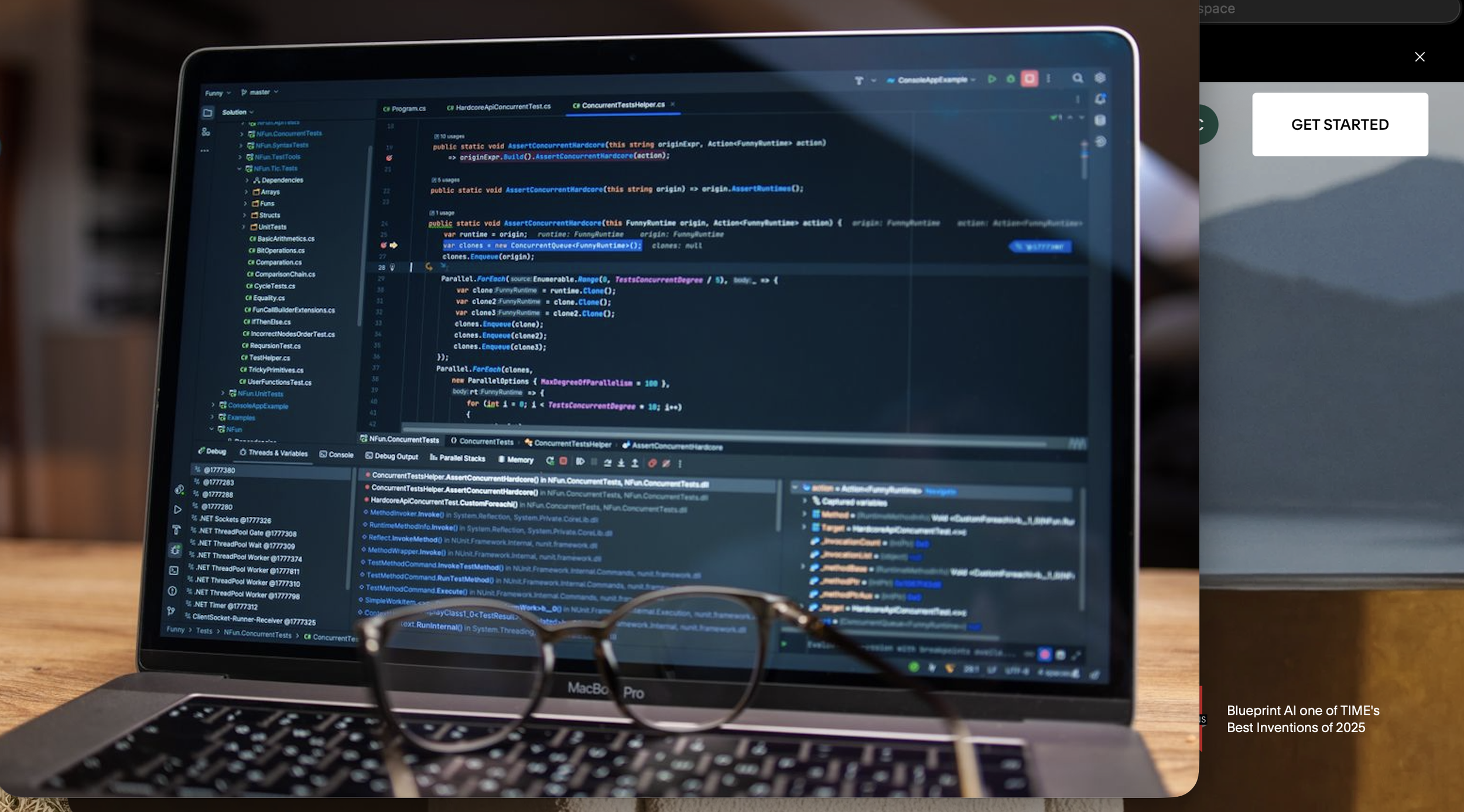
The Developer's Guide to Coding Anywhere, Anytime
Modern software development is no longer tied to a single office, desktop computer, or rigid work schedule. Developers today are expected to be flexible, productive, and capable of contributing from virtually any location. Whether working from home, traveling between meetings, attending a conference, or collaborating across multiple time zones, the ability to code anywhere and anytime has become a significant advantage.
Building a Portable Development Environment
The foundation of coding anywhere starts with creating a development environment that can travel with you. Traditional setups often depended on powerful desktop machines loaded with local software and custom configurations. While effective, these environments could make it difficult to switch devices or work remotely. Cloud-based development platforms have changed this dynamic by allowing developers to access projects through a browser or virtual workspace from nearly any device. Instead of spending hours configuring a new computer, developers can log in and immediately continue their work from where they left off. This consistency reduces downtime and eliminates many of the frustrations associated with managing multiple development machines.
Leveraging Cloud-Based Tools for Greater Flexibility
Cloud infrastructure has become one of the biggest drivers behind location-independent development. Code repositories, testing environments, deployment pipelines, and project management tools can now be accessed from virtually anywhere with an internet connection. Version control platforms allow developers to collaborate seamlessly while maintaining clear records of changes. Integrated development environments hosted in the cloud provide familiar coding experiences without requiring extensive local resources. Automated build systems help ensure that code is tested and validated regardless of where it is written.
Enhancing Skills Through Intelligent Learning Platforms
Coding anywhere is not just about accessing development tools. It also involves continuous learning and skill development. Technology evolves rapidly, and developers must stay current with new languages, frameworks, and best practices.
Many organizations have begun incorporating AI-enhanced educational resources into their workflows to support developer growth. Platforms that provide contextual guidance, feedback, and interactive learning experiences help developers strengthen their skills while working on real projects. A comprehensive AI-powered learning platform can provide personalized assistance, practical exercises, and real-time feedback that supports ongoing improvement without disrupting productivity. This combination of learning and development creates an environment where professionals can expand their capabilities regardless of their physical location.
Staying Productive Across Devices and Locations
Coding from different environments introduces unique challenges. Distractions, varying internet quality, and inconsistent workspaces can all affect productivity. Developers who successfully work from anywhere often rely on clear routines and well-organized workflows. Synchronization plays an important role in maintaining momentum. Keeping files, notes, documentation, and development resources accessible across multiple devices helps eliminate unnecessary interruptions. Automated backups further reduce risk and ensure valuable work remains protected.
Effective communication is equally important. Developers working remotely must stay connected with teammates through messaging platforms, project boards, and virtual meetings. Regular updates help maintain alignment and reduce misunderstandings, even when team members are working from different locations. Establishing dedicated periods for focused coding can also improve output. By minimizing distractions and creating structured work sessions, developers can maintain concentration regardless of where they are working.
Preparing for the Future of Remote Development
The trend toward distributed development teams continues to accelerate. Organizations increasingly recognize that talented developers can contribute effectively regardless of geographic location. As a result, remote-friendly development practices are becoming a standard rather than an exception.
Developers who embrace modern tools and adaptable workflows position themselves for long-term success. Familiarity with cloud environments, collaborative platforms, and remote communication strategies allows professionals to integrate smoothly into global teams. These skills are becoming just as valuable as technical expertise. Future innovations will likely make location-independent development even more seamless. Improvements in artificial intelligence, cloud computing, and development automation will continue to remove barriers between developers and their work. Those who invest in flexible practices today will be well prepared to take advantage of these advancements as they emerge.
Conclusion
The ability to code anywhere and anytime has transformed the way software is built. Modern developers are no longer limited by physical workspaces or device constraints. Through cloud-based environments, collaborative tools, continuous learning resources, and disciplined workflows, professionals can remain productive wherever opportunities take them. As remote and hybrid work models continue to evolve, adaptability will become one of the most valuable skills a developer can possess. By creating a flexible development ecosystem and embracing modern technologies, developers can ensure they are ready to build, learn, and innovate from virtually any location.