Top eSIM Solutions to Stay Online During Long Trips
There’s a certain thrill that comes with long-term travel. Whether you’re backpacking through Europe, road-tripping across the United States, or hopping between Southeast Asian islands, the freedom of extended travel is unbeatable. But while getting lost in a new city might sound romantic, losing your internet connection in the middle of nowhere? Not so much.
In the modern age of digital nomads, remote workers, and app-dependent adventurers, staying online during your travels is no longer optional. From finding your Airbnb, hailing a ride, checking train schedules, translating street signs, to uploading your latest reel—it all hinges on one thing: your internet connection.
And that’s exactly where my journey into the world of eSIMs began.
The Hassle of Traditional SIM Cards
On one of my earlier trips through Central Europe, I had planned to visit six countries in under three weeks. Ambitious? Absolutely. But what I hadn’t prepared for was the nightmare of staying connected.
Each country brought a new challenge:
Finding a mobile shop after arrival
Navigating local plans in a foreign language
Swapping out physical SIM cards constantly
Keeping my main number offline for days
Losing signal between borders
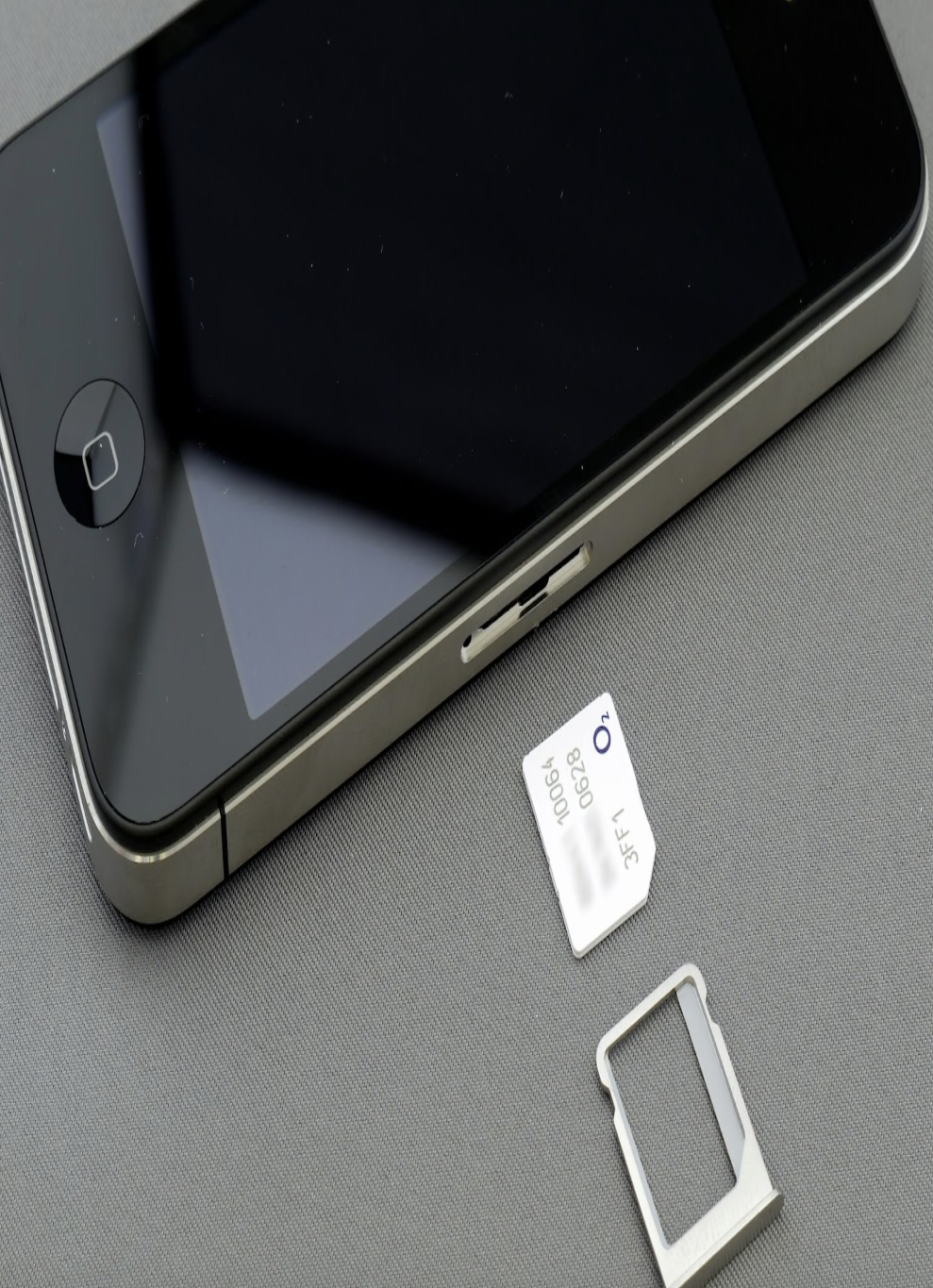
Not to mention those tiny SIM trays that require a pin or paperclip you never have when you need it.
Even when it worked, the whole process felt outdated. I was wasting valuable travel time just trying to figure out how to buy 3GB of data in Czechia, only to do it all over again in Hungary.
Discovering eSIMs: A Digital Lifesaver
That’s when I came across eSIMs.
At first, I wasn’t sure if they were legit. Digital SIM cards you could install remotely, without going to a store or physically changing anything? It sounded too good to be true. But after digging through a few travel forums and YouTube reviews, it started to make sense.
An eSIM (embedded SIM) is exactly what it sounds like: a digital SIM profile stored on your phone that can be activated with just a QR code or app. You can easily generate QR codes to simplify activation and sharing details when needed. Most modern smartphones—especially iPhones, Pixels, and newer Samsung devices—support eSIMs. No more juggling plastic cards or relying on dodgy public Wi-Fi to look up directions.
And then came the question: which provider?
Comparing Options and Choosing a Reliable Service
There are plenty of eSIM providers out there now, but they’re not all built for travelers. Some are tech-heavy and confusing. Others have hidden fees or overly complicated plans. I wanted something straightforward, fast, and affordable.
After comparing a few, I came across a travel-friendly platform offering best travel eSIM options across more than 200 countries. The setup was refreshingly simple:
Select your destination
Choose your data package
Scan the QR code
You’re online in minutes
No app needed. No subscription required. And the pricing? Way better than my mobile carrier’s roaming rates.
That experience completely changed the way I travel.
Seamless Activation and Real-World Use
Before my trip, I purchased a Europe-wide data plan and received a QR code via email almost instantly. I opened the settings on my phone, scanned the code, and within two minutes—done. My new eSIM profile was added alongside my regular SIM, and I was able to choose which one handled data, calls, and SMS.
When I landed in Vienna, I turned off airplane mode and held my breath. The phone connected to a local Austrian network immediately. Google Maps loaded instantly. My travel itinerary synced. No setup delays, no APN headaches, no “visit a store” nonsense. It just worked.
Over the next four weeks, I passed through eight countries—and not once did I need to search for a SIM card vendor or use public Wi-Fi at a train station. From remote hiking trails in Slovenia to late-night walks in Amsterdam, I always had access to data.
A Real Lifesaver: More Than Just Convenience
Staying online on the road isn’t just about Instagram. During my trip, being connected saved me more than once:
In Prague, I got off at the wrong tram stop—Google Maps helped me reroute immediately.
In rural Austria, I used Google Translate to speak with a kind older woman who helped me find my bus.
In Budapest, I needed to quickly upload documents for a remote freelance job—easy with solid 4G.
I even FaceTimed my family from a ferry in Croatia, mid-Adriatic, with surprisingly strong coverage.
Roaming used to be the most stressful part of travel. But using a good eSIM plan turned it into the most seamless.
One Thing to Check Before You Go
While the experience was almost perfect, there’s one important step travelers should not overlook:
Not every phone supports eSIM technology.
Newer iPhones, most Pixels, Samsung Galaxy S20 and above, and other flagship devices support it—but older or budget models may not. So before buying any plan, it’s essential to make sure your device is compatible.
You can do that by checking Roafly’s list of eSIM-compatible devices. The list is clear, constantly updated, and has saved me from recommending eSIM to a friend whose device didn’t support it.
Final Thoughts: My Go-To for Every Trip Now
Since that first eSIM experience, I haven’t looked back. Every new trip starts the same way now:
Open laptop
Check where I’m going
Pick a Roafly plan
Scan → connect → travel
It feels like a small travel hack that saves time, energy, and money.
And if you're a long-term traveler, remote worker, or just someone who hates fiddling with local SIM cards in sketchy airport kiosks, I can’t recommend instant travel eSIM solutions enough. It’s the modern way to stay online wherever you go.
You don’t have to sacrifice connection for adventure. With eSIM, you get both.