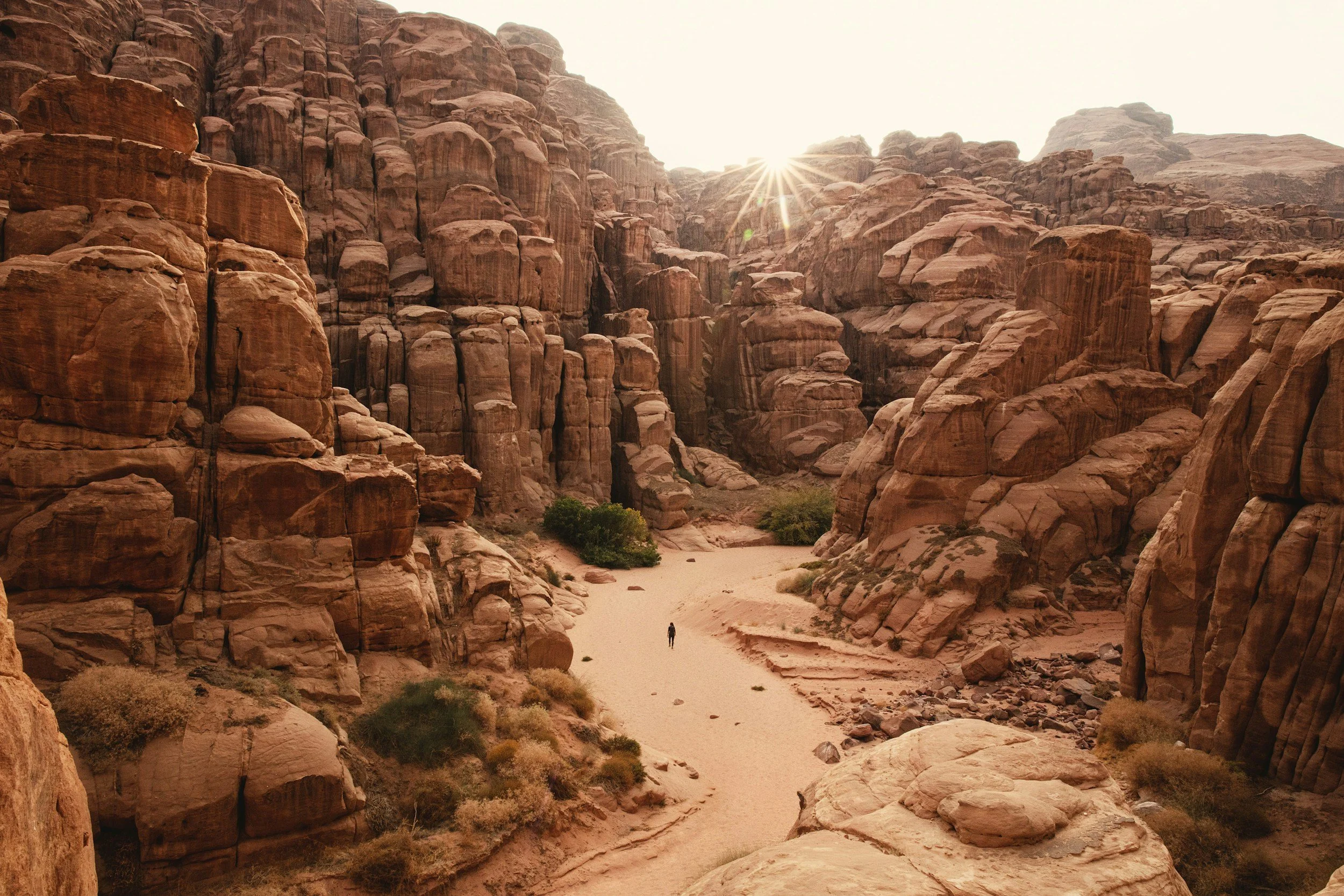
Zanskar Valley Trip: An Escape to the Epic Offbeat
Overview:
Located between Kashmir and Ladakh, Zanskar Valley is one of the lesser-explored destinations in the Leh Ladakh region. The valley is home to only a small community of Zanskari people, which keeps the place peaceful and less crowded.
The valley has seen a steady rise in the number of tourists recently, as more travellers are drawn to its calm surroundings and natural beauty.
Adventure seekers often add Zanskar Valley tour to their plans for the wide range of outdoor activities it offers. Popular activities include trekking, camping, and stargazing. The valley is especially known for the famous Chadar Winter Trek, where trekkers walk over the Frozen Zanskar River, a unique experience of walking on solid ice.
Besides trekking, visitors also enjoy water-based activities like river rafting and boating, which add more excitement to their trip.
Zanskar Valley also gives you a chance to explore its rich culture and history. Sightseeing tours often cover ancient monasteries like Stongdey Monastery and other age-old Gompas, where you can learn about the region’s heritage.
A visit to the local villages is also a must, where you’ll experience the genuine warmth and hospitality of the villagers, making your trip even more special.
This article provides you with different things to know about Zanskar Valley as you plan a trip to this remote location.
Best Time to Visit Zanskar Valley
Zanskar Valley welcomes visitors throughout the year, offering something unique in every season. Spring and autumn are also good times to visit, especially for those who enjoy photography, shopping, and exploring local food. These months usually see fewer tourists, giving you a quieter and more relaxed experience at the attractions.
Most travellers, however, prefer to plan their trip between May and September, the summer season. This period is considered the best time to visit Zanskar Valley, thanks to its pleasant weather and clear skies. The temperature stays mild, usually between 25°C and 30°C, and the long daylight hours give you more time for sightseeing.
All routes and highways leading to Ladakh and Zanskar remain open during summer, making it easy and comfortable for road travel.
For those who are more adventurous, winter offers a completely different charm. Even in the cold months, tourists plan trips Zanskar trip, especially for the famous Chadar Trek. Walking on the frozen Zanskar River is an unforgettable experience, usually possible in January and February. The temperature, however, can drop as low as -20°C, so it’s important to prepare properly and stay updated on snowfall and road conditions.
How to Reach for Zanskar Valley Tour
One of the easiest and most recommended ways to reach Zanskar Valley is by air. The nearest airport is Kushok Bakula Rimpochee Airport, located in Leh, around 2.5 kilometers from the main city center. Once you arrive in Leh, you can hire a cab or taxi to travel further toward Zanskar Valley.
For those preferring a train journey, the closest railway station is Jammu Tawi, located in Jammu. This station connects Jammu & Kashmir and Ladakh to the rest of India. From Jammu, you can hire a cab or taxi to reach Srinagar. After reaching Srinagar, continue your journey to Leh via Sonmarg. From Leh, the road trip to Zanskar Valley takes about 12 hours.
If you prefer a private road trip, first head to Kargil, which is around 213 kilometers from Leh. Once you reach Kargil, you can either choose to stay overnight or directly continue toward Zanskar Valley by following NH1 and NH301.
When traveling by road, make sure to keep a live map running, and carry a GPS device or offline maps to help navigate through remote and less marked routes. It’s also important to stay informed about the road conditions on NH1 and NH301 before you start your drive.
Things to Do in Zanskar Valley
Trekking
Zanskar Valley is well-known for its adventurous trekking routes, offering both winter and summer expeditions. The most popular winter trek here is the Chadar Trek, where trekkers walk over the frozen Zanskar River, usually done in January and February.
For those visiting in summer, treks like the Zanskar Valley Trek are a great choice, typically lasting around 10 days. Another well-loved option is the Padum to Lamayuru Trek, which is shorter and can be completed in about 6 days. Most treks in Zanskar fall between moderate and difficult, so good physical fitness is important for a safe experience.
Before you begin, make sure to carry all the necessary trekking and camping gear like tents, sleeping bags, and trekking poles.
River Rafting
River rafting on the Zanskar River is one of the top adventure activities in the valley. Routes from Phey to Nimo and Nimo to Upshi are especially popular for this activity.
Rafting here suits both beginners and experienced rafters, with different levels of difficulty ranging from Grade III to Grade V. A rafting session usually lasts about 2 hours, and the cost is around INR 2500 per person. Make sure to wear weather-appropriate, comfortable clothing along with all necessary safety gear. Always follow the guide’s instructions for a safe and smooth experience.
Bike Rides
Zanskar’s alpine routes offer thrilling experiences for motorbike enthusiasts. These rides let you explore local monasteries such as Stongdey, Sani, and others located along the highways. Bike trips also offer a chance to visit nearby villages and learn about the region’s traditions and lifestyle directly from the locals.
Group rides are common here, as they provide better support and guidance during the journey. Royal Enfield bikes are often preferred for their durability on rough and uneven roads. Before starting your trip, make sure you’re well-acclimatized to avoid Acute Mountain Sickness and check road conditions online to plan better and avoid traffic delays.
Ladakhi Cuisine
Your Zanskar valley tour is incomplete without tasting the region’s traditional food. Several restaurants and small eateries, from budget-friendly spots to more stylish options, serve authentic Ladakhi meals.
Most dishes are made from fresh, local ingredients. Some must-try items include Momos, Thukpa, Skyu, Chhurpe, and Tingmo. Popular drinks include Cholak, Tngdur, and Butter Tea. The local food often uses wild garlic for flavor, and you’ll also find stinging nettle soup, a Ladakhi specialty.
Don’t miss trying Apricot Jam, which is often spread on bread or used with desserts. You can also buy it from local markets as a tasty souvenir.
Festivals and Culture
The villages of Zanskar Valley give you a chance to experience Ladakh’s warm hospitality and rich culture. Despite the tough climate, the locals are known for their kindness and welcoming nature.
During your visit, you can join local festivals, observe traditional customs, and even take part in preparing authentic Ladakhi dishes. Many small monasteries are located within or near these villages and are worth visiting during your trip.
If you plan to stay overnight, homestays are often the best and most budget-friendly option in these remote areas. They offer both comfort and a closer look at the daily life of the Zanskar community.
Essential Tips for Travellers Visiting Zanskar Valley
Before planning a trip to Zanskar Valley, make sure to secure an Inner Line Permit (ILP). Since the valley lies close to the Line of Actual Control (LAC), this document is mandatory for all visitors.
If you are traveling during July and August, be cautious of the monsoon season. Rain can make the mountain roads slippery, so if you are not used to driving in such conditions, it’s better to hire a local cab or taxi with an experienced driver for a safer journey.
Fuel stations are limited once you leave the main routes. The last reliable petrol pumps are located along NH1 till Kargil. Fill your tank completely here and carry extra fuel for backup, as stations beyond Kargil are rare.
Since mobile network coverage is poor in the region, especially after crossing Sankoo, it’s wise to carry a satellite phone and download offline maps for navigation and communication.
The last ATM in the area is available in Padum. It’s a good idea to withdraw enough cash here, as digital transactions are not always possible at local shops and homestays.
For any medical emergencies, government hospitals are located in Kargil and Padum. These are the main health centers for the region.
Lastly, since Zanskar is a high-altitude area surrounded by passes, lakes, and meadows, it’s important to give yourself time to acclimatize before starting any journey deeper into the valley. Spending a few days in Leh can help your body adjust and lower the risk of Acute Mountain Sickness (AMS).