Common Auto Repair Issues and How to Spot Them Early
Owning a vehicle brings the convenience of mobility but also comes with the responsibility of regular maintenance. Identifying common car problems before they escalate can save you from costly repairs and inconvenient breakdowns. Early detection allows timely intervention, keeping your vehicle running smoothly and safely. When searching for reliable auto repair near me, knowing what issues to watch for can help you communicate effectively with mechanics and get the right service quickly. We will explore some of the most frequent auto repair issues and guide you on recognizing the warning signs before they develop into serious complications. Understanding these problems and their early indicators is essential for any vehicle owner looking to prolong the life of their car.
Recognizing Early Signs of Frequent Auto Repair Problems
1. Engine Warning Lights and Unusual Noises
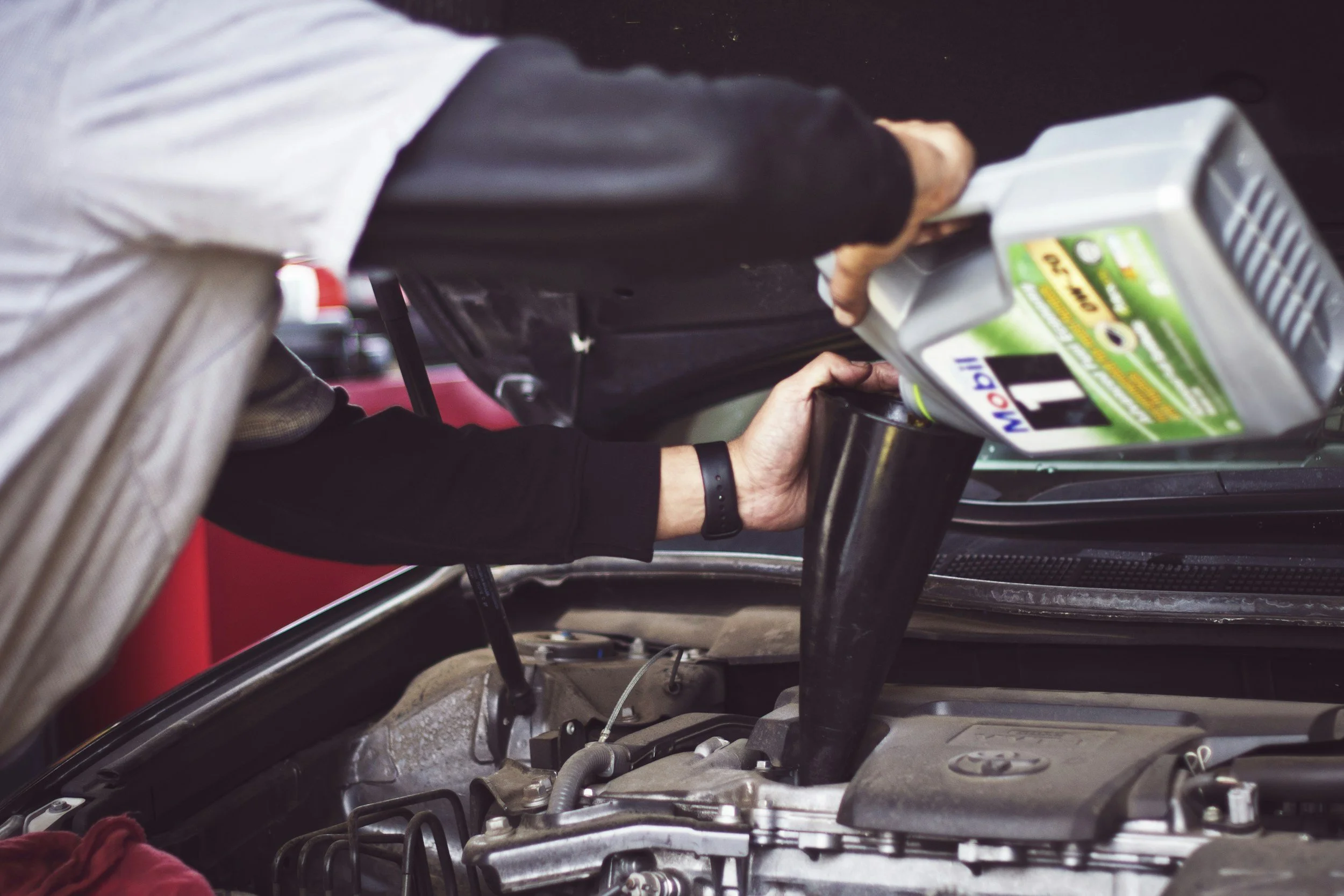
The engine is the heart of any vehicle, and problems here can significantly affect performance. One of the earliest signs of an engine issue is the illumination of warning lights on your dashboard, such as the check engine light. While these lights do not always indicate severe trouble, ignoring them can lead to more significant damage. Additionally, unusual noises like knocking, ticking, or grinding from the engine area often suggest underlying mechanical concerns. These sounds may result from worn spark plugs, a failing timing belt, or low oil levels. Paying attention to dashboard signals and strange noises can help you address engine problems early, preventing breakdowns and costly repairs.
2. Brake Performance and Warning Signs
Brakes are vital for safe driving, and their wear or malfunction can create dangerous situations. Early signs of brake trouble often include a squeaking or grinding when applying the brakes, which typically indicates worn brake pads. Another noticeable symptom is a spongy or soft brake pedal, suggesting air in the brake lines or fluid leaks. The vehicle may sometimes pull to one side while braking, hinting at uneven brake wear or issues with the brake calipers. Awareness of these symptoms and seeking timely inspection is crucial to maintain braking efficiency and avoid accidents.
3. Transmission Issues
The transmission system controls how power is delivered from the engine to the wheels, and problems here can greatly affect drivability. Common early signs of transmission trouble include delayed or rough shifting between gears, unusual noises such as whining or clunking, and fluid leaks under the vehicle. Drivers may also notice the transmission slipping, where the car unexpectedly changes gears or loses power. These symptoms often indicate worn components or low transmission fluid. Recognizing these early can prevent complete transmission failure, usually one of the most expensive repairs.
4. Tire and Alignment Problems
Tires are the only part of the car that contacts the road, so maintaining their condition is essential for safety and performance. Early indications of tire issues include uneven tread wear, frequent air pressure loss, and vibrations while driving. Uneven wear can result from misalignment or improper tire balancing, shortening tire life, and impacting handling and fuel efficiency. If your vehicle pulls to one side or the steering wheel feels off-center, it may be time for a wheel alignment. Regularly checking your tires for these signs helps ensure a smoother and safer ride while avoiding premature tire replacement.
5. Battery and Electrical System Concerns
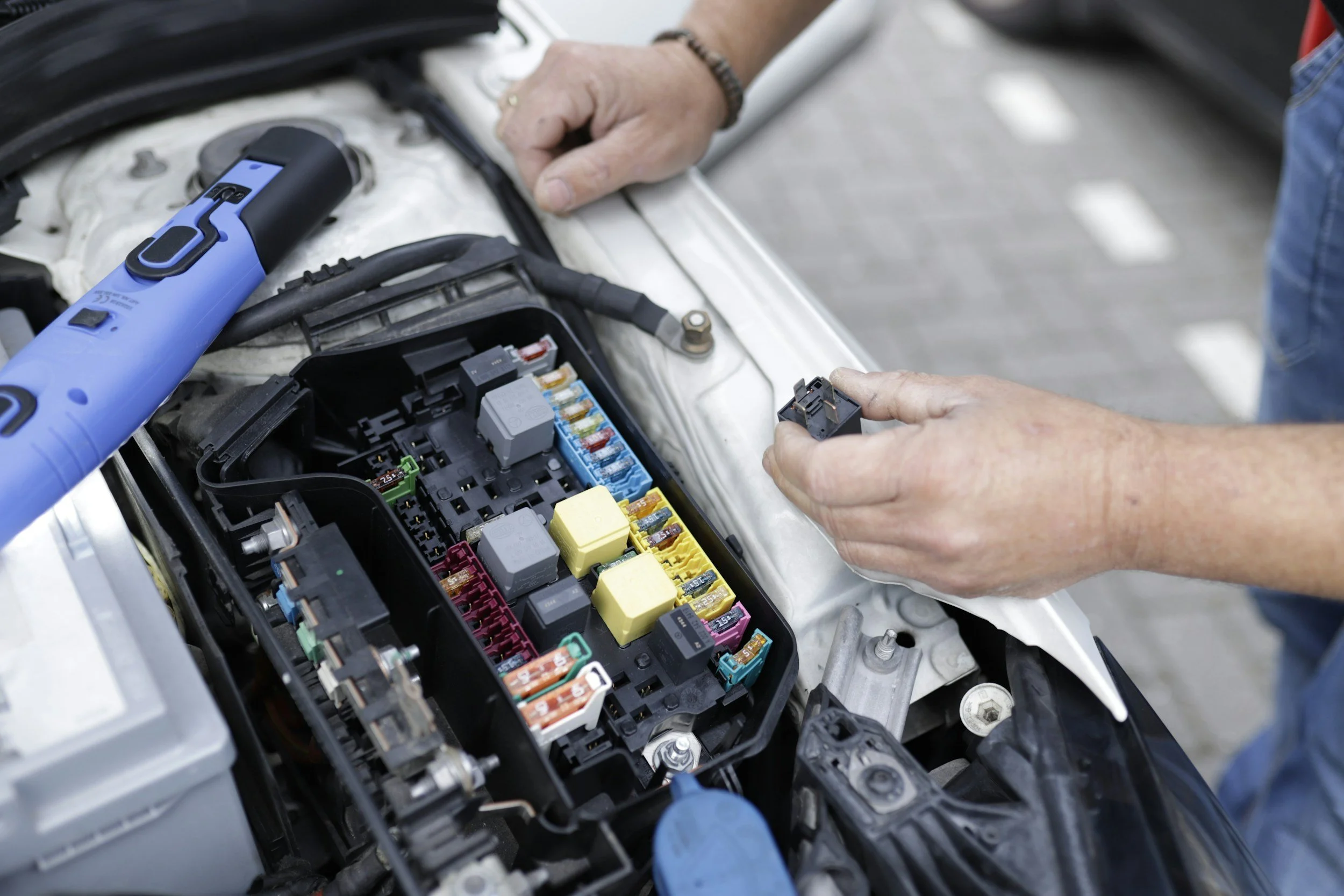
The battery powers your vehicle’s electrical components, and problems here can lead to starting difficulties or complete failure. Early signs of battery issues include dim headlights, slow engine cranking when starting, and warning lights on the dashboard related to the battery or charging system. Corrosion on battery terminals or a swollen battery case are also visible indicators of problems. Sometimes, electrical issues manifest as malfunctioning interior lights, power windows, or dashboard instruments. Observing these symptoms and testing the battery regularly can help avoid being stranded due to electrical failure.
6. Cooling System and Overheating
The cooling system keeps the engine temperature within safe limits. Problems in this system often reveal themselves through engine overheating, coolant leaks, or a sweet smell inside or outside the vehicle. The temperature gauge on the dashboard rising into the red zone is a clear signal of overheating. Other signs include steam coming from the hood or a noticeable drop in coolant levels without apparent leaks. Ignoring these symptoms can cause serious engine damage. Early detection allows you to check hoses, the radiator, water pump, and thermostat for faults, maintain proper engine temperature, and avoid breakdowns.
7. Suspension and Steering Issues
The suspension system affects ride comfort and vehicle control, while the steering system ensures accurate handling. Warning signs of suspension or steering problems include excessive bouncing after hitting bumps, a rough or unstable ride, and unusual noises such as clunks or squeaks when turning. Difficulty in steering, such as increased effort or a loose feeling in the wheel, may also point to problems. Worn shock absorbers, ball joints, or steering components can cause these symptoms. Addressing these issues early improves driving safety and prevents further damage to related parts.
8. Exhaust System Malfunctions
The exhaust system directs harmful gases away from the engine and reduces noise. Problems here often appear as loud noises from the muffler, reduced fuel efficiency, or a noticeable exhaust smell inside the car. A check engine light related to emissions might also indicate exhaust system issues. Rust, holes, or loose parts under the vehicle are physical signs of damage. Regular inspection and listening for changes in exhaust noise can help detect leaks or blockages early, which is important for environmental compliance and preventing harmful fumes from entering the cabin.
Identifying common auto repair issues early can greatly enhance your vehicle’s reliability and safety. Paying attention to warning signs such as unusual noises, dashboard alerts, fluid leaks, and changes in handling or performance allows you to take action before problems worsen. Routine maintenance and timely inspections based on these early indicators will help you avoid costly repairs and keep your car in good condition for years. Taking proactive steps to monitor your vehicle ensures peace of mind and smooth journeys wherever the road takes you.