
Understanding the Importance of Timely Transmission Service
The transmission is one of the most critical components of any vehicle, yet it's often overlooked until a problem arises. We will explore how staying ahead of transmission issues can prevent major repair costs, ensure road safety, and keep a car running efficiently. A well-maintained transmission provides smooth gear shifts, improved fuel economy, and optimal performance. When drivers ignore early warning signs—such as slipping gears, delayed engagement, or fluid leaks—they risk a cascading effect that impacts the entire drivetrain. Service delays can lead to significant internal damage, requiring a complete rebuild or replacement. For those relying on their vehicles for daily commuting or long-distance travel, the cost of ignoring transmission health can quickly become unmanageable. Understanding how and when to service the transmission empowers drivers to take proactive steps, ultimately saving money and avoiding breakdowns.
Don’t Ignore the Signs
The Role of Regular Inspections and Fluid Checks
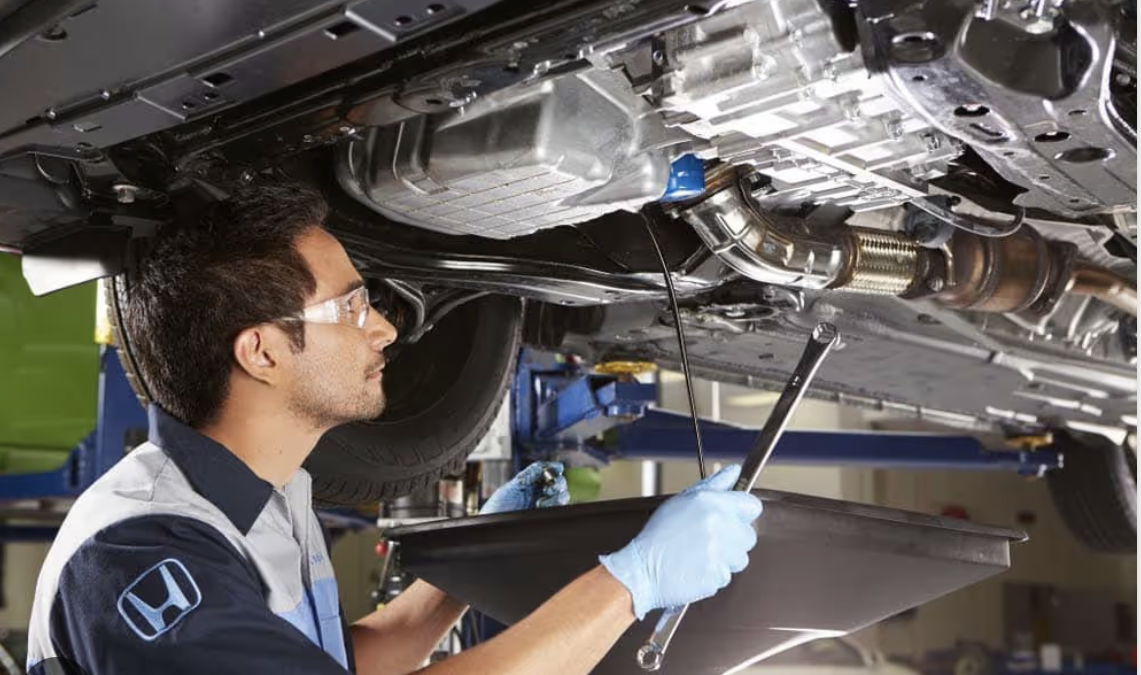
Routine maintenance is essential for any vehicle, but the transmission, in particular, requires scheduled attention to stay in good condition. Transmission fluid is the lifeblood of the system, serving as both a coolant and a lubricant. Over time, this fluid degrades due to heat and friction, becoming less effective and potentially damaging internal components. A basic inspection includes checking the fluid’s color, consistency, and level. Burnt-smelling or discolored fluid is a clear sign of trouble. Regularly scheduled fluid changes help remove contaminants and reduce internal wear, which in turn extends the life of the transmission. Drivers who frequently experience stop-and-go traffic, haul heavy loads, or travel in hilly areas put more strain on their systems and should be especially mindful of their maintenance intervals. A reputable Transmission shop in Richmond can perform a multi-point inspection, ensuring not only the fluid but also seals, gaskets, and sensors are functioning as they should. This kind of preventive care avoids sudden failure and extends the lifespan of the transmission system.
2. Recognizing Transmission Problems Early
Transmission issues rarely appear without warning. Strange noises, delayed acceleration, grinding sensations, or illuminated dashboard lights are all early signs that something may be wrong. Many drivers assume these signs are temporary or unrelated, but waiting for them to worsen can lead to costly repairs. A small fluid leak, for instance, might only require replacing a gasket, but left unchecked, it can cause internal gears to seize. Similarly, slipping gears can indicate problems with clutch packs or solenoids, components that are more affordable to replace when caught early. Early intervention also ensures driver safety, as faulty transmissions can affect a vehicle's response in traffic or during emergencies. The longer these problems persist, the more damage is done, and the more complicated the solution becomes. Addressing transmission issues as soon as they arise gives technicians the best chance to fix them with minimal disruption and at a lower cost than a complete replacement.
3. Why Not All Transmission Repairs Are the Same
Transmission systems are complex and vary depending on the make, model, and design. Automatic, manual, and continuously variable transmissions (CVTs) all function differently and require different diagnostic tools and techniques. What works for one system may not apply to another, and misdiagnosis can lead to unnecessary replacements or ineffective repairs. For this reason, choosing the right transmission shop is just as important as identifying the issue itself. Skilled technicians rely on diagnostic scans, test drives, and fluid analysis to isolate the root cause of the problem. They also understand the unique characteristics of different transmissions, whether it's the shifting behavior of a dual-clutch system or the belt mechanics of a continuously variable transmission (CVT). Accurate troubleshooting can mean the difference between replacing a faulty sensor and rebuilding an entire transmission. With proper analysis and a tailored repair approach, many transmission issues can be resolved without extensive work, keeping vehicles on the road longer and functioning better.
Taking care of a vehicle's transmission is not just a task for mechanics—it's a responsibility shared by both the driver and the mechanic. By paying attention to warning signs, keeping up with routine maintenance, and addressing small issues early, drivers can significantly extend the lifespan of their transmission. A well-maintained transmission not only enhances performance and fuel economy but also contributes to the overall reliability and safety of your vehicle. Waiting until there’s a breakdown can cost far more than getting proactive service. It can also disrupt daily life and leave drivers without transportation at inconvenient times. Whether the need is a fluid change or a more in-depth inspection, trusting a qualified team to provide accurate diagnostics and efficient repairs is key. For drivers in any city, particularly those navigating Richmond's roads, timely visits to a trusted transmission shop make a difference. In the long run, consistent care is the most effective way to avoid costly surprises and keep a vehicle running smoothly for years to come.