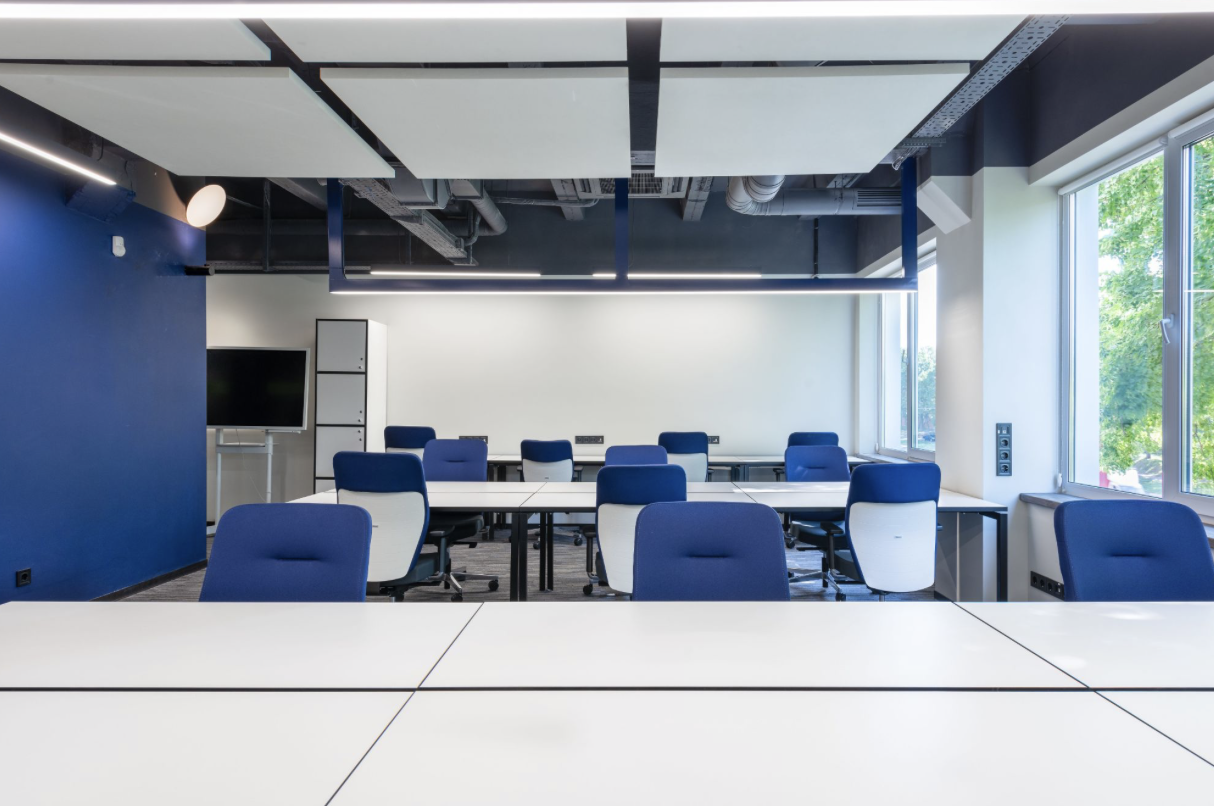
How to Improve Meeting Room Acoustics
Meeting rooms are the command centers of modern British businesses. They are the dedicated spaces where critical corporate decisions are made, collaborative strategies are born, and high-stakes client pitches are delivered.
However, many premium workspaces suffer from a hidden flaw that actively undermines these interactions: poor room acoustics. When a meeting space mimics the hollow echo of a cave, clear communication becomes entirely impossible.
As corporate environments increasingly shift toward hybrid schedules, fixing these sound issues has become a top business priority. Managing the way sound behaves in your shared spaces is essential for hosting smooth, professional conversations.
The Hidden Obstacles of Modern Boardroom Architecture
The aesthetic design trends shaping contemporary offices are often the primary cause of severe acoustic issues. Modern architecture heavily favors minimalist, clean designs, which typically incorporate extensive hard surfaces.
Common building features that destroy room acoustics include:
Large Glass Partition Walls: While glass provides excellent natural light and visual transparency, it behaves like an acoustic mirror, reflecting sound back into the room.
Hardwood and Polished Concrete Floors: These solid flooring choices offer no natural dampening, allowing the click of heels or moving chairs to reverberate loudly.
Drywall Ceilings and Hard Boardroom Tables: Large, flat parallel surfaces cause sound waves to bounce back and forth rapidly, creating a harsh flutter echo.
When these design elements fuse together, words bleed into one another. This forces speakers to strain their voices and leaves listeners struggling to understand basic sentences.
Why Internal Audio Echo Ruins Hybrid Video Conferencing
The rapid rise of hybrid work means that almost every physical meeting now includes virtual attendees joining via video links. Poor room acoustics completely ruin the efficiency of these digital sessions.
Standard omnidirectional conference microphones are engineered to pick up ambient audio throughout a room. If the space suffers from high reverberation, the microphone captures both the speaker's direct voice and the bouncing echoes off the walls.
For remote participants, this results in a muddy, distorted audio stream that causes rapid listening fatigue. When your remote clients or team members spend all their energy simply trying to decipher what is being said, their engagement drops. Treating the physical room ensures clear microphone transmission and flawless virtual collaboration.
Strategic Steps to Upgrade and Balance Your Meeting Spaces
Achieving a perfectly balanced acoustic environment does not require a complex, down-to-the-studs structural overhaul. By applying strategic, surface-mounted sound treatments, you can rapidly control how audio moves through the space.
Consider this step-by-step approach to restore acoustic balance:
Identify the Primary Reflection Points: Locate the hard, bare walls directly opposite your main speakers or presentation screens, as these are the areas causing the most disruptive echoes.
Introduce Soft Furnishings: Add heavy window drapes, plush carpeting, or fabric-covered seating to immediately introduce soft materials that naturally dampen high-frequency sounds.
Deploy High-Performance Wall Absorbers: Install specialized wall treatments along key reflection paths to trap vocal frequencies before they bounce back into the open room.
Transform Your Walls with High-Performance Absorbing Systems
The absolute most effective way to eliminate hollow room echo is to introduce dedicated sound-absorption materials directly to your bare walls. These products are specifically designed to trap sound energy and convert it into microscopic thermal energy.
Investing in the best acoustic panels for meeting rooms allows you to solve major sound issues while enhancing your office's visual appeal. Modern acoustic panels are no longer industrial eyesores; they are premium design features.
Operators can choose from an array of elegant design options:
Geometric Fabric-Wrapped Panels: These can be arranged in custom mosaic layouts to match your corporate branding.
Sleek Wooden Acoustic Slat Walls: These offer a high-end, Scandinavian aesthetic that adds warmth to executive boardrooms.
Recycled PET Felt Tiles: A lightweight, minimalist option that provides incredible sound absorption with a highly sustainable footprint.
To achieve maximum acoustic efficiency, you generally only need to cover roughly 30% to 40% of the room's total wall surface area.
Maximizing Overhead Control with Acoustic Ceiling Systems
If your meeting room features expansive glass walls that cannot be covered with panels, your ceiling becomes the most valuable real estate for sound management.
Installing suspended acoustic ceiling rafts or vertical baffles is an incredible way to capture rising vocal sounds. These products hang directly above the main boardroom table, intercepting sound waves right at the source.
Ceiling rafts also offer an excellent opportunity to integrate architectural lighting features, seamlessly blending necessary acoustic performance with high-end interior lighting design.
The Compounding Benefits of Quiet Collaborative Environments
When a company actively eliminates acoustic distractions, the cultural and operational benefits ripple across the entire organization. Providing quiet spaces where teams can communicate effortlessly leads to a dramatic rise in workplace efficiency.
When you improve employee productivity with acoustic solutions, you create an environment where workers can think clearly and collaborate without frustration.
Optimizing your workspace's soundscape delivers undeniable long-term returns:
Minimized Cognitive Fatigue: Staff leave meetings feeling refreshed and focused, rather than drained from battling constant background noise.
Total Confidentiality: Professional acoustic treatments prevent sensitive corporate discussions from leaking out into adjacent open-plan hot-desking areas.
Elevated Professionalism: Delivering crisp, echo-free audio on video calls presents your business as a highly polished, sophisticated operation to external partners.
Conclusion
The acoustic comfort of your meeting rooms is a fundamental driver of successful daily operations in coworking spaces. While beautiful furniture and cutting-edge presentation screens look highly impressive, they lose their value if your team cannot hear or be heard clearly during a meeting.
By treating your boardrooms with professional sound-absorbing panels, ceiling systems, and thoughtful design choices, you transform chaotic echo chambers into focused hubs of innovation. Prioritizing acoustic health is a smart, forward-thinking investment that protects your team's energy, elevates your brand's authority, and unlocks your company's full collaborative potential. Your office is cost effective for business.