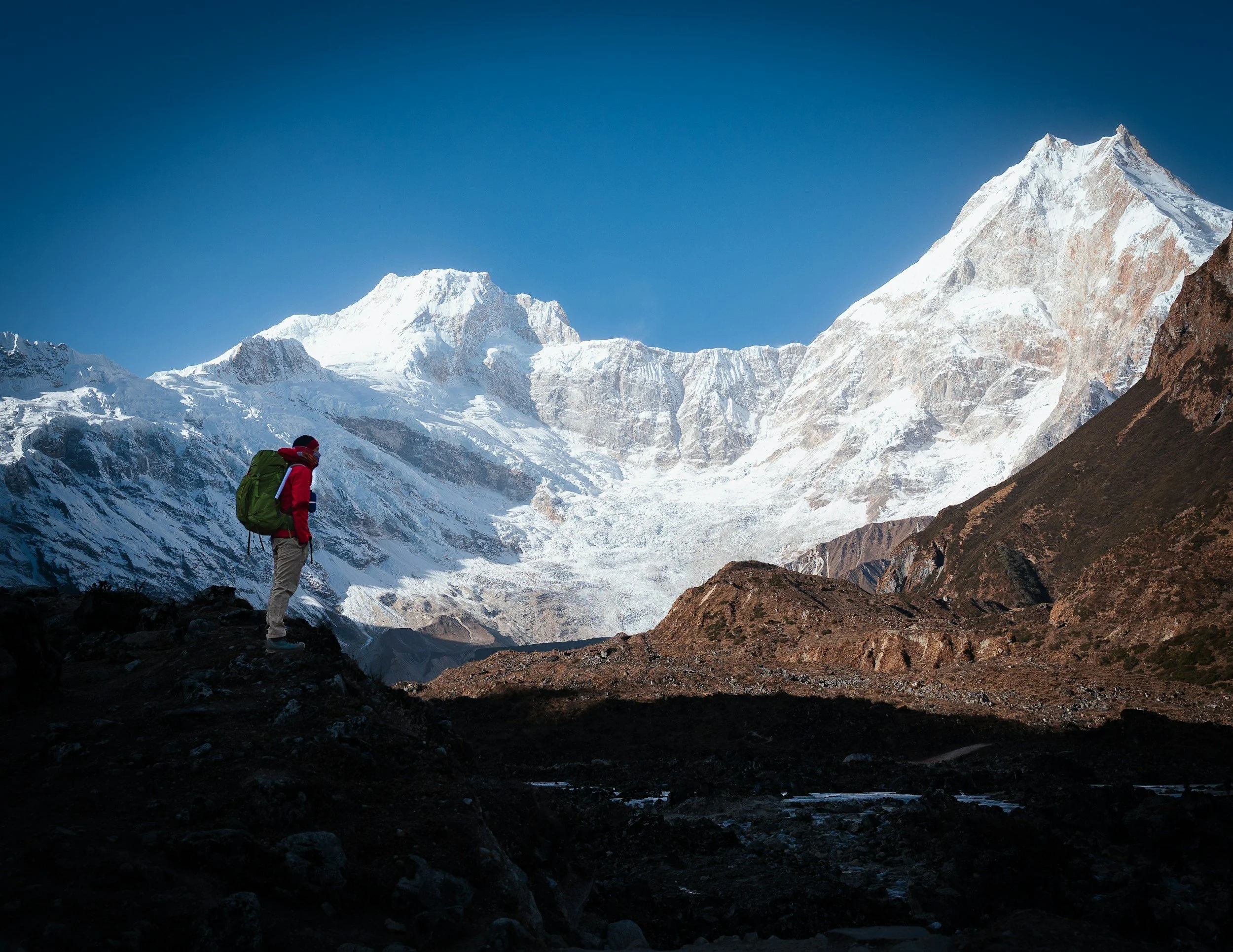
Manaslu Circuit Trek Permits Explained: What You Need Before You Go
The Manaslu Circuit is one of the few major Nepal treks that cannot be done on a whim. Unlike the Everest or Annapurna regions, it lies in a restricted area near the Tibetan border, so a special permit is required before you set foot on the trail. Permit rules also change from year to year. This guide explains the permits involved, the usual costs, the paperwork you will need and the questions to ask your operator.
Fees and rules below reflect published schedules at the time of writing. Nepal has been updating its trekking regulations, so always confirm current requirements with a registered agency before you book.
Why Manaslu needs a special permit
Manaslu sits in a protected and border-adjacent region. The government restricts access to manage the number of visitors, protect the environment and support local communities. As a result, you cannot buy the main permit at the trailhead. It must be arranged in advance through a registered trekking agency, and your itinerary and entry points are part of the application.
The permits you will normally need
For the standard Manaslu Circuit, plan for three permits:
Manaslu Restricted Area Permit (RAP). This is the core permit. Published fee schedules list roughly USD 100 per person for the first week in the main autumn season (September to November), with an additional daily fee after that, and a lower rate from December to August. Rates are per person and are tied to the days you spend in the restricted area.
Manaslu Conservation Area Permit (MCAP). Published at about NPR 3,000 per person.
Annapurna Conservation Area Permit (ACAP). The Manaslu route finishes near Dharapani in the Annapurna region, so an ACAP is also required, also published at about NPR 3,000.
A few operators also mention extra local fees or checkpoint registrations. Ask for a written list of all permits so there are no surprises.
Guides, group size and the 2026 changes
Historically, Manaslu rules required trekkers to travel with a licensed guide, arranged through a registered agency, and to be part of a group of at least two people. Reports in 2026 suggest that solo applicants may now be able to obtain restricted area permits, with some limits on group size and mandatory guide requirements still in place. Interpretations vary between agencies, and some operators still list a two-person minimum. The Manaslu Circuit trek page from Highland Expeditions, for example, lists a group of two to fifteen, and asks solo travellers to get in touch before booking.
The practical advice is simple:
If you are travelling alone, ask an agency whether solo permits are currently available for your dates.
Expect a licensed guide to be required in restricted areas.
Do not book flights or non-refundable tours until your permit situation is confirmed.
What you will need to apply
Prepare these documents in advance so your agency can process the application:
A passport with at least six months' validity from your travel dates.
A scanned copy of your passport photo page.
A copy of your Nepal visa, or your visa details, once available.
Passport-size photographs.
Your arrival and departure dates and your planned itinerary.
Travel insurance details that cover trekking at altitude.
Some agencies ask for these two to four weeks in advance. Applying late in peak season, or if public holidays are close, can add delays.
How the application works
You choose an agency and confirm your itinerary and dates.
You send the documents listed above.
The agency applies for the restricted area permit through the relevant government offices in Kathmandu.
You collect or receive the permits in Kathmandu, usually before the trek begins.
Permits are checked at several points along the route, so keep copies with you.
Because processing happens in Kathmandu, most trekkers arrive a day or two before the trek starts to finish final checks.
How Manaslu compares with Everest
The Everest region is much simpler. On the Everest Base Camp route you pay a national park entry permit and a local municipality permit, and you do not need a restricted area permit. The guided Everest Base Camp itinerary from Highland Expeditions lists both park and municipality fees as included in the package price. The main difference is administrative: Manaslu needs more lead time, more paperwork and a registered agency. That is worth knowing if you are choosing between the two or planning to do both over several trips.
What is usually included, and what is not
When you compare quotes for Manaslu, check whether the price includes:
All permits (restricted area, MCAP and ACAP).
Guide and porter costs.
Accommodation and meals on the trek.
Ground transport, including the long drive to the start of the trail.
Rescue and emergency arrangements.
Typically excluded are international flights, visas, personal insurance, meals in Kathmandu and staff tips. A very low quote may have left something out, so ask directly.
If you prefer more comfort
Some travellers prefer to leave logistics to a team that handles permits, lodging and transfers in one package. luxury trekking packages options go further, with premium lodges, private transfers and personalised service, though the Manaslu region remains a simple-lodge environment, so comfort expectations should be realistic there.
Common mistakes to avoid
Waiting too long. Apply early, especially for October departures.
Assuming fees are fixed. Rates have changed in recent years. Always ask for the current schedule.
Skipping insurance checks. Your policy needs to cover trekking above 5,000 metres.
Overlooking the drive. The road to the start of the trail is long and rough, so allow rest time.
Booking through an unregistered agency. Restricted area permits can only be processed through licensed operators.
Final thoughts
Manaslu rewards trekkers who plan ahead. The permits are not complicated, but they do require lead time, accurate paperwork and a registered agency. Do your admin early, confirm the current rules and then you can focus on what matters: the long walk through remote valleys and the crossing of Larkya La.
About the author: this guide was prepared by the team at Highland Expeditions, a Nepal-based trekking operator. Rules and fees change, so verify current requirements with an official source or a registered agency.