How to Choose Travel-Friendly Event Giveaways People Will Actually Use
Whether it is a destination conference, a local market, a charity run, or a tourism trade event, giveaways are often part of the experience. They can help people remember a brand, a place, or a conversation long after the event ends.
The challenge is that many giveaway items do not make it past the hotel room, the airport security line, or the bottom of a backpack. Travelers are practical by nature. If something feels bulky, fragile, or hard to use, it may be left behind.
Choosing event giveaways with travel in mind can make a noticeable difference. The goal is not to hand out more items. It is to offer something useful, lightweight, and connected to the experience in a natural way.
Think About the Journey After the Event
A good giveaway should make sense beyond the booth or registration table. For travelers, that means thinking about where the item will go next.
Will it fit in a carry-on? Can it pass through airport security? Is it useful on the road? Will it survive being packed, unpacked, and repacked several times?
For example, a ceramic mug might look nice, but it can be awkward for someone flying home. A large framed print may appeal to some visitors, but it creates a packing problem. On the other hand, items such as compact notebooks, soft apparel, reusable pouches, or small travel accessories are easier to take along.
This does not mean every giveaway needs to be tiny. It means the item should respect the reality of travel. People are more likely to keep something that does not create extra work.
Choose Items That Serve a Real Purpose
The most memorable giveaways are often the ones people use without thinking too much about them. Practicality matters.
A reusable tote can help during a weekend market visit. A bandana can be worn on a hike, used as a picnic cloth, or tied to luggage for easy identification. A compact water bottle can be helpful during a walking tour. A small pouch can hold chargers, sunscreen, or receipts.
Wearable items can also work well when they are thoughtfully chosen. The key is to avoid pieces that feel overly promotional or difficult to style. Subtle design, comfortable materials, and a clear use case make a big difference.
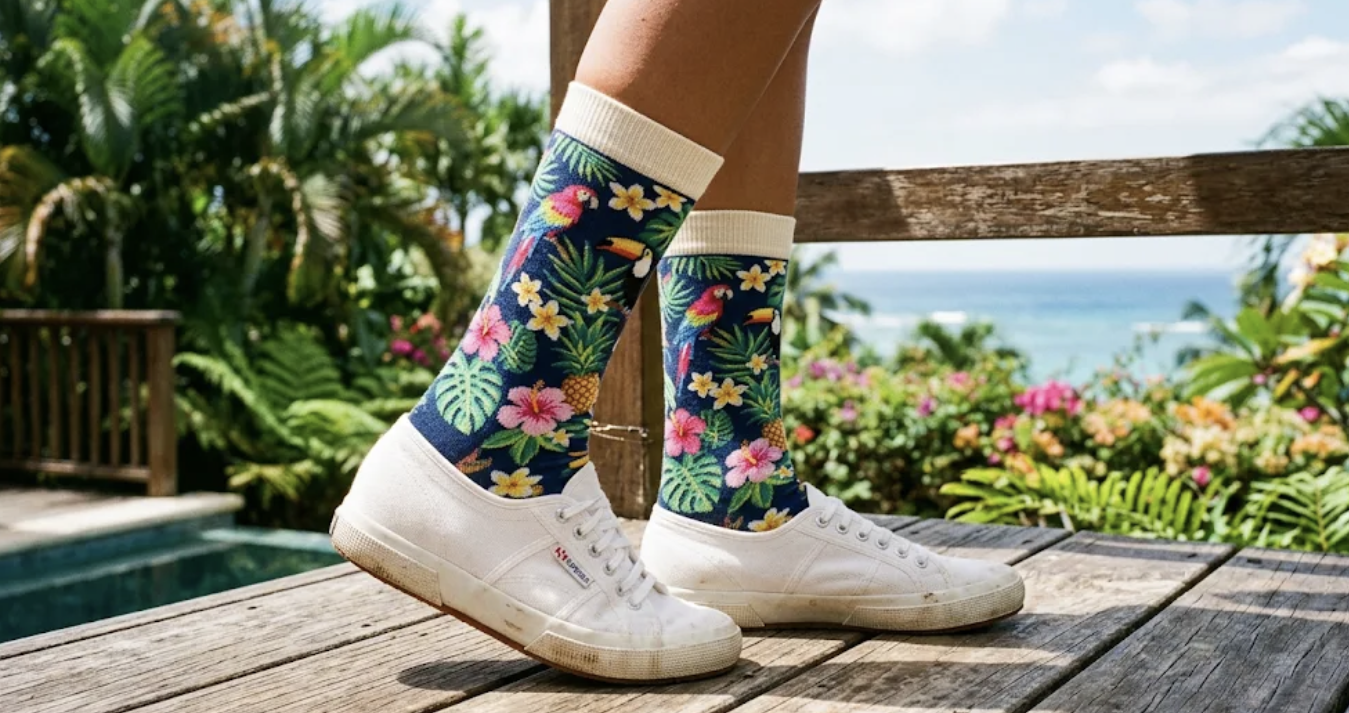
Custom socks, for instance, can be a smart fit for travel-focused events because they are lightweight, easy to pack, and genuinely useful during long flights, road trips, or hotel stays. With thoughtful designs featuring an event logo or destination-inspired artwork, they can also become memorable branded keepsakes. For teams exploring this type of wearable item, SockPrinter offers a way to create branded socks that can feel more personal than a standard handout.
The point is not to give people something flashy. It is to give them something they will reach for again.
Match the Giveaway to the Setting
The setting of an event should guide the giveaway choice. A mountain town tourism expo has different needs than a beachside wellness retreat or an urban food festival.
At an outdoor adventure event, useful items might include lightweight neck gaiters, trail maps, sunscreen packets, or dry bags. At a culinary festival, a reusable utensil set, spice sample, recipe card, or small tea towel may feel more relevant. At a business travel conference, compact tech organizers, luggage tags, or comfortable travel wear may be appreciated.
When the item fits the setting, it feels less random. It becomes part of the story of the event.
This also helps avoid waste. People can tell when an item was chosen simply because it was inexpensive or easy to order in bulk. A thoughtful connection to the location or event theme makes the giveaway feel more intentional.
Keep the Design Simple and Wearable
Design can decide whether a giveaway gets used or stored away. This is especially true for apparel and accessories.
Large logos, loud slogans, and busy graphics can make an item feel hard to use in everyday life. A more subtle approach often travels further. Small brand marks, location-inspired patterns, simple color palettes, or artwork tied to the event can make an item feel more like a souvenir than an advertisement.
For example, a conference in the Pacific Northwest might use forest greens, mountain outlines, or rain-inspired patterns. A coastal event might use soft blues, wave shapes, or nautical details. A city festival might use a street grid, skyline element, or local landmark illustration.
The more wearable or usable the design feels, the more likely it is to appear in real life later.
Consider Quality Over Quantity
It can be tempting to stretch a giveaway budget across as many items as possible. But more is not always better. A smaller number of useful, durable items may leave a stronger impression than a large pile of disposable trinkets.
Quality does not always mean expensive. It can mean choosing a cotton tote that will not tear after one use, a notebook with paper people enjoy writing on, or an accessory that feels comfortable enough to keep.
If the budget is limited, consider narrowing the audience. Instead of giving something to every passerby, reserve a more thoughtful item for registered attendees, speakers, volunteers, repeat customers, or people who complete a meaningful interaction.
This approach can also reduce leftover inventory. Items that are chosen with care are less likely to end up forgotten in storage boxes after the event.
Make Sustainability Practical, Not Performative
Sustainability is an important consideration, especially for travel and lifestyle events where people may already care about nature, local communities, and mindful consumption.
However, sustainable giveaways should still be useful. An eco-friendly item that nobody uses is still wasteful. Look for items that replace disposable alternatives, encourage repeated use, or are made from responsible materials.
Reusable bags, refillable containers, repair kits, seed packets, bamboo utensils, and durable textiles can all make sense depending on the event. Packaging matters too. Avoid wrapping every item in unnecessary plastic if a simple paper band, tag, or unpackaged display will do.
It is also worth being honest in the messaging. Rather than making broad claims, share simple facts when relevant, such as the material used, the maker’s location, or how the item can be reused.
Add a Local or Personal Touch
People often travel because they want to experience something specific to a place. Giveaways can reflect that same idea.
A locally roasted coffee sample, a small print from a regional artist, a map of hidden walking routes, or a design inspired by local wildlife can feel more meaningful than a generic item. Even small details can create a stronger connection.
Personalization can also be simple. At a retreat, attendees might choose between a few color options. At a festival, guests might receive a design connected to the neighborhood where the event is held. At a corporate gathering, the giveaway might reflect the event theme rather than only the company name.
These details help people associate the item with a memory, not just a logo.
Plan for Easy Distribution
A good giveaway should be easy for the organizers too. If an item is complicated to store, transport, or hand out, it can create stress during an already busy event.
Before ordering, think about weight, packaging, storage space, and how the item will be distributed. Will volunteers carry it around? Will it sit on a table? Will it be placed in welcome bags? Will people need to choose a size or style?
If sizing is involved, keep the process simple. If the item comes in multiple colors, display them clearly. If it is part of a welcome kit, make sure it does not damage or overwhelm the other items.
Good logistics help the giveaway feel smooth instead of chaotic.
Conclusion
Travel-friendly event giveaways work well when they are useful, easy to carry, and connected to the experience. The most effective items are not always the biggest or the most expensive. They are the ones people can imagine using after the event is over.
By focusing on practicality, thoughtful design, quality, and relevance, organizers can create giveaways that feel less like clutter and more like a small reminder of a meaningful trip, gathering, or conversation.