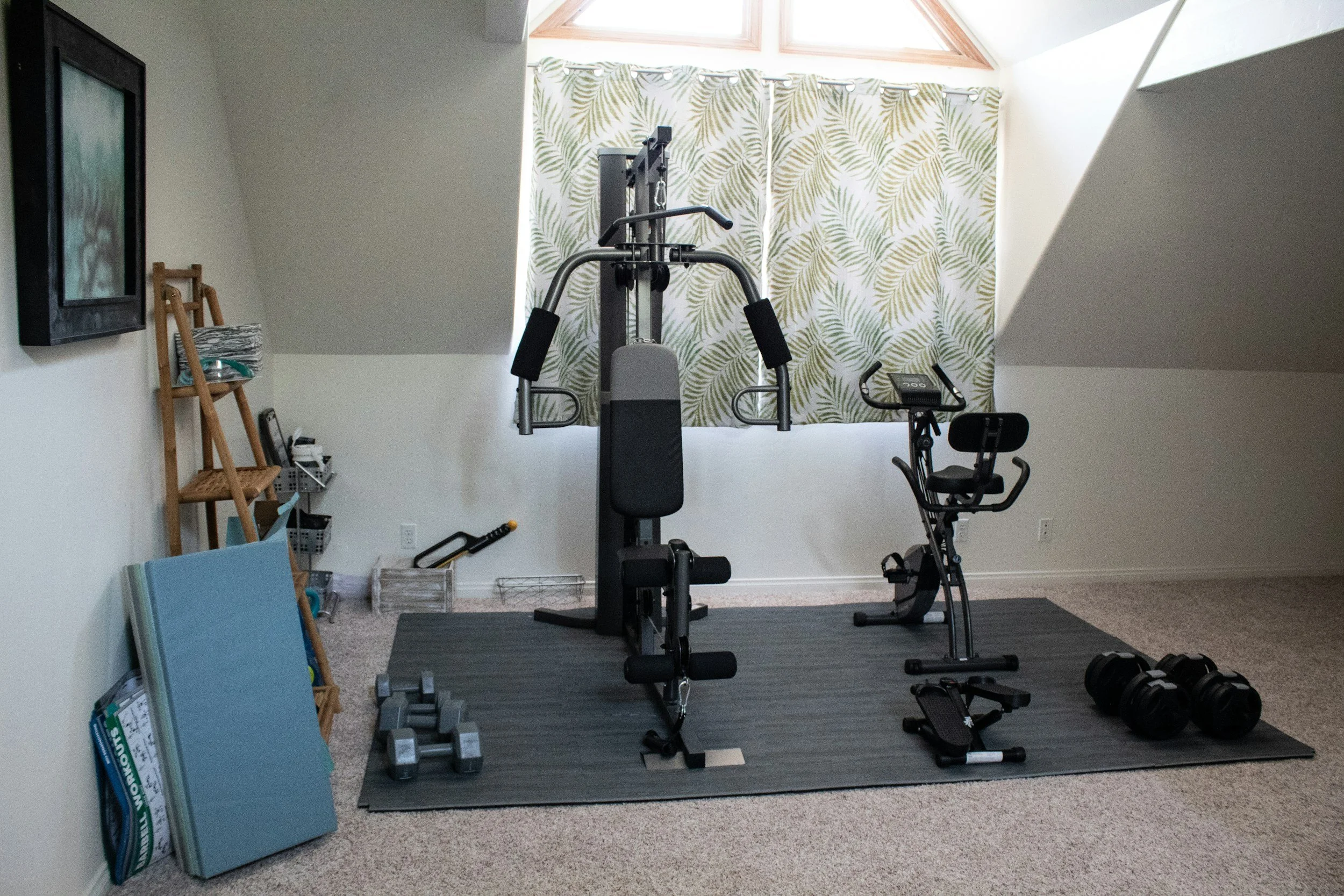
Modular Home Gym Setups: Fastening Solutions for Adjustable Equipment
When building a modular home gym setup, it’s essential to consider the flexibility and functionality of the equipment. One of the key aspects that makes a home gym versatile is the adjustability of its components. From resistance levels on weight machines to bench adjustments for different exercises, adjustable gym equipment allows users to tailor their workout space to fit their needs. However, with all the moving parts and adjustable features, having the right fastening solutions in place is vital to ensure safety and usability. This article explores different fastening solutions for adjustable gym equipment and why they are crucial in building a secure and functional modular home gym.
The Importance of Adjustability in Modular Home Gyms
Adjustable equipment is a cornerstone of modular home gyms because it allows one set of gear to cater to various exercises and multiple users. In a typical home gym, space is often limited, so multifunctional equipment that can be adjusted for different purposes is a smart choice. Adjustable benches, resistance bands, cable machines, and squat racks are prime examples of how a modular home gym can offer a wide range of exercises with a single setup.
The flexibility of these machines is an advantage, but only if the adjustments are secure. Without proper fastening solutions, adjustable equipment may become unstable, posing a risk for the user. Whether you are adjusting a machine's resistance or changing the incline of a bench, ensuring that the equipment locks into place securely can prevent accidents, improve performance, and extend the longevity of the gear.
Common Types of Fastening Solutions for Adjustable Equipment
There are various types of fastening solutions used in adjustable equipment for modular home gym setups. Fastening solutions like spring pins are crucial for keeping the equipment stable during use, ensuring that it doesn't shift, slide, or become misaligned. Let’s explore some of the most commonly used fastening methods for adjustable gym equipment.
1. Locking Pins
Locking pins are one of the most straightforward and commonly used fastening solutions in adjustable gym equipment. These pins are usually spring-loaded and inserted into place to lock the equipment in a specific position. Locking pins are found in a wide range of equipment, such as adjustable benches, squat racks, and cable machines.
How Locking Pins Work:
Locking pins are typically made from durable materials like stainless steel. To use them, the user first adjusts the equipment to the desired position, such as selecting the height of the squat rack or adjusting the backrest angle on a bench. Once the adjustment is made, the locking pin is inserted into a hole that holds the equipment in place. The spring-loaded mechanism ensures the pin stays in place and prevents any unintended movement during use.
Advantages:
Ease of Use: Locking pins are quick and easy to use, requiring minimal effort to insert and remove.
Reliability: These pins are durable and provide a reliable locking mechanism.
Safety: Locking pins offer a high level of safety as they securely hold the equipment in place.
Disadvantages:
Wear and Tear: Over time, locking pins may experience wear, and their spring mechanism could weaken, making them less effective.
Limited Fine-Tuning: While locking pins are great for general adjustments, they may not allow for fine-tuning in some equipment like adjustable dumbbells or resistance bands.
2. Knobs and Dials
Knobs and dials are commonly used to adjust resistance, angles, or settings in multifunctional machines such as cable systems, resistance trainers, or even weight benches. This type of fastening solution is designed to be twisted or turned to tighten or loosen the mechanism that holds the equipment in place.
How Knobs and Dials Work:
Knobs are usually threaded, and they work by rotating them clockwise or counterclockwise to tighten or loosen a mechanism. Once the equipment is adjusted, the knob is tightened to lock it in place. Some machines, such as adjustable dumbbells, have a dial mechanism that allows for quick changes in weight. Similar to knobs, dials must be turned to ensure that the weight or resistance is securely set.
Advantages:
Ease of Use: Knobs and dials are easy to adjust without requiring extra tools.
Fine-Tuning: Knobs and dials allow for more precise adjustments in resistance or position compared to locking pins.
Convenience: They are fast to adjust, making them suitable for users who prefer quick changes during a workout.
Disadvantages:
Insecure Adjustment: If not properly tightened, the knob or dial can come loose during use, making it less reliable than locking pins.
Potential for Slippage: In some cases, if the knob or dial isn't turned tightly enough, it can slip, causing the equipment to shift unexpectedly.
3. Slide Locks
Slide locks are commonly used in heavier-duty equipment like squat racks, adjustable weight benches, or cable machines. These fasteners use a sliding mechanism that locks the equipment into position along a rail or track.
How Slide Locks Work:
A slide lock consists of a metal lock that slides into a groove or rail, securing the equipment in a fixed position. This mechanism is often found in squat racks or adjustable pull-up bars, where the height or length of the equipment can be changed. Once the equipment is adjusted, the slide lock is slid into place to ensure the equipment stays securely in position.
Advantages:
Heavy-Duty Stability: Slide locks are particularly useful for heavier equipment, providing solid stability for high-load exercises.
Durability: The locking mechanism is usually very sturdy and designed to hold substantial weight without shifting.
Ease of Use: They are simple to operate and do not require any complex techniques.
Disadvantages:
Size and Weight: The slide lock mechanism can be bulkier, making it less suitable for smaller equipment or compact setups.
Potential for Alignment Issues: If the rail or groove isn’t aligned properly, the slide lock may not function as effectively, potentially causing instability.
4. Latches and Hinges
Latches and hinges are used primarily in equipment that folds or collapses for easier storage. These fastening solutions are designed to secure equipment in its extended or folded position.
How Latches and Hinges Work:
Latches work by snapping into place, securing parts of the equipment together. Hinges allow for the equipment to fold, and the latch locks the equipment in place when extended. This is commonly seen in foldable resistance machines, compact treadmills, or other storage-friendly gym equipment.
Advantages:
Space Efficiency: Latches and hinges are ideal for equipment that needs to be stored compactly.
Simplicity: These mechanisms are easy to use and operate, allowing users to collapse or extend the equipment effortlessly.
Safety: Latches and hinges prevent the equipment from accidentally folding or collapsing during use.
Disadvantages:
Wear and Tear: Over time, latches and hinges can become loose or worn out, affecting their performance.
Limited Adjustability: Latches are not as versatile for fine adjustments, especially in heavier-duty equipment.
The Importance of Material Quality
When selecting fastening solutions for adjustable home gym equipment, it's critical to prioritize quality materials. Low-quality materials can lead to quick wear and tear, compromising the safety and functionality of the equipment. Look for fastening solutions made from durable materials like stainless steel, aluminum, or high-grade plastics. These materials are corrosion-resistant, ensuring the equipment remains reliable even with regular use.
Additionally, rubberized coatings on knobs and pins can provide added grip, reducing the chances of slippage when adjusting the equipment. Choosing high-quality materials will extend the lifespan of your equipment and prevent accidents caused by faulty fastening solutions.
Tips for Safe and Efficient Use of Adjustable Equipment
Inspect Fastening Solutions Regularly:
Make it a habit to inspect the locking pins, knobs, dials, or slide locks before each workout. This ensures that everything is functioning properly and that no parts are loose or damaged.Ensure Tight Adjustments:
Before using any adjustable equipment, double-check that all fasteners are tightly secured. Loose equipment can cause instability, leading to accidents or inefficient workouts.Store Equipment Properly:
When not in use, store adjustable equipment in its locked or secured position. For foldable machines, ensure the latch is firmly in place to prevent any accidents when accessing the equipment.Distribute Weight Evenly:
For equipment like dumbbells or resistance machines, ensure the weight is evenly distributed before making adjustments. Uneven weight distribution can place extra strain on the fastening mechanisms, increasing the risk of malfunction.
Final Thoughts
Modular home gym setups are an excellent way to bring fitness into your home, offering versatility and adaptability. The key to making these setups effective and safe lies in the fastening solutions used to secure adjustable equipment. By choosing the right fastening mechanisms—whether locking pins, knobs, slide locks, or latches—and maintaining them properly, you can create a secure, flexible, and safe workout environment. Whether you are new to fitness or a seasoned gym enthusiast, a well-maintained, adjustable setup will allow you to maximize your workouts and reach your fitness goals safely.