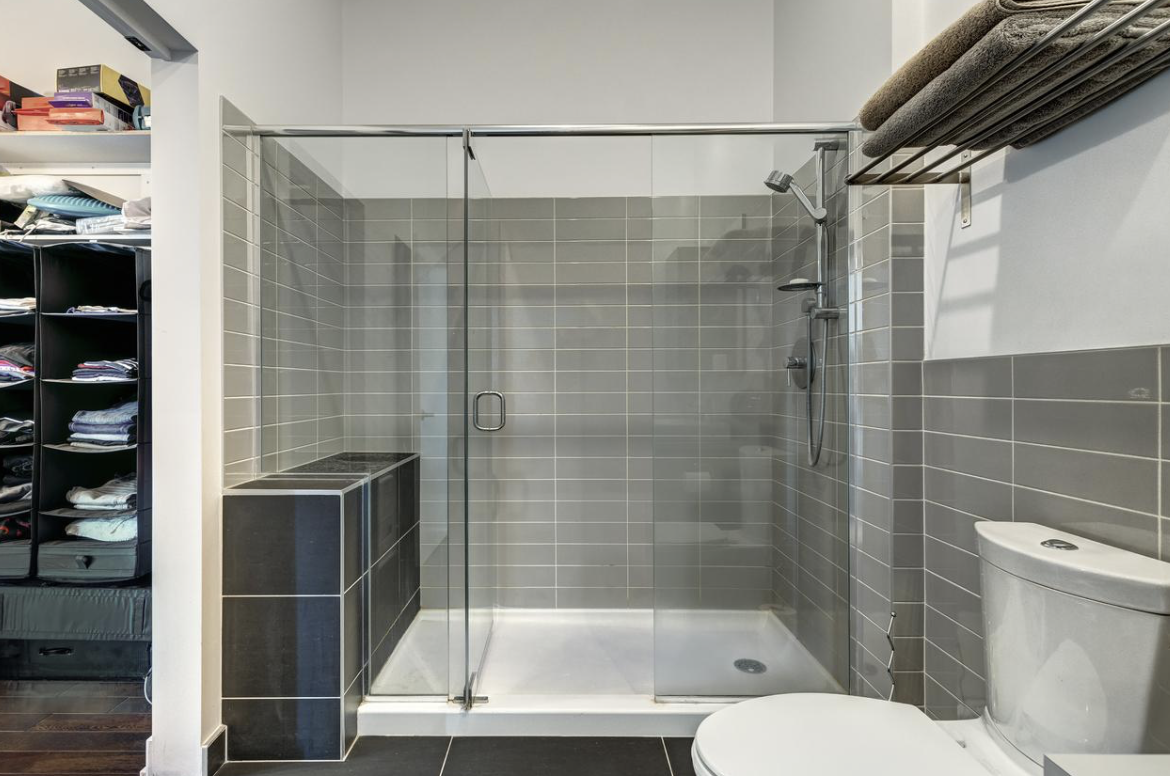
How to Choose the Right Walk-In Shower for Your South Georgia Home
A walk-in shower can completely transform the appearance and functionality of a bathroom. For homeowners across South Georgia, it can also provide easier access, simpler maintenance, and a more comfortable bathing experience. With so many designs, materials, fixtures, and accessibility features available, however, choosing the right walk-in shower requires careful planning.
The best shower isn't necessarily the largest or most expensive option. It should fit your available space, complement your home's style, meet your household's needs, and remain practical for years to come. Before starting your renovation, consider the following factors to help you choose a walk-in shower that works for your South Georgia home.
Start With Your Available Space
Before selecting finishes or showerheads, evaluate how much space you have available. The size and layout of your bathroom will influence nearly every other decision.
In a smaller bathroom, replacing an existing bathtub with a walk-in shower can create a more open feeling without requiring major changes to the room's footprint. Larger bathrooms may provide enough room for an oversized shower with seating, multiple showerheads, or additional storage.
Consider the placement of the toilet, vanity, doors, windows, and existing plumbing. A thoughtfully planned shower should improve movement through the bathroom rather than making the space feel crowded.
Decide Whether to Replace the Bathtub
Many homeowners considering a walk-in shower are starting with an existing bathtub-and-shower combination. If the bathtub is rarely used, replacing it with a dedicated shower can be a practical way to improve the bathroom.
Walk-in showers generally provide easier entry and more standing space than traditional tubs. They can also make the room feel more contemporary.
However, think about your household before removing every bathtub from the home. Families with young children may still find a tub convenient. If you have multiple bathrooms, one option is to retain a bathtub in one room while converting another to a walk-in shower.
Choose the Right Entry Design
One of the defining features of a walk-in shower is its accessible entrance. There are several entry styles to consider.
A low-threshold shower reduces the height users need to step over, making entry easier than with a conventional bathtub. A curbless design can provide an even smoother transition from the bathroom floor into the shower when the room and drainage system allow for it.
These designs can be particularly useful for older adults and homeowners planning to age in place.
Whatever option you choose, proper drainage and waterproofing are essential. Water should remain inside the shower rather than spreading across the bathroom floor.
Select Materials for South Georgia's Climate
Bathrooms naturally experience moisture, and South Georgia's humid climate makes moisture management particularly important.
Choose shower materials designed to withstand regular exposure to water while remaining easy to maintain. Options may include porcelain tile, acrylic wall systems, solid-surface panels, and other waterproof shower materials.
Homeowners planning a bathroom remodel Pooler project should also consider how ventilation and material selection work together. Moisture-resistant surfaces paired with effective ventilation can help reduce maintenance and protect surrounding walls, cabinetry, and finishes from excessive humidity.
Durability should be a priority, particularly if you expect the remodeled bathroom to remain in place for many years.
Think About Cleaning and Maintenance
An attractive shower can quickly become frustrating if it requires constant cleaning.
Traditional tiled showers may have numerous grout lines that require regular attention. Large-format tile can reduce the number of grout joints, while wall panels and other seamless surfaces may simplify routine cleaning even further.
Also consider how easy it will be to clean shower doors, fixtures, corners, shelves, and seating.
If low maintenance is a priority, choose materials and designs with fewer areas where soap residue and moisture can collect. A simpler design can still look luxurious while requiring less effort to keep clean.
Include Practical Shower Storage
Shampoo bottles scattered around the shower floor can make an otherwise beautiful space look cluttered.
Built-in storage is a small feature that can make a major difference in everyday usability. Recessed shower niches provide convenient storage without extending into the bathing area. Corner shelves and built-in ledges can also keep toiletries organized.
When planning storage, think about who will use the shower and which items need to remain within easy reach.
Installing storage at a practical height can make the shower more convenient while helping maintain a clean, organized appearance.
Prioritize Safety
Safety should be considered during every walk-in shower renovation, regardless of the homeowner's age.
Wet surfaces can become slippery, so choosing flooring with appropriate traction is important. Grab bars can provide additional stability and are now available in attractive designs that coordinate with other bathroom fixtures.
Built-in seating is another useful option. It provides a place to sit while showering and can make bathing more comfortable for people with limited mobility.
Handheld showerheads can also improve flexibility and convenience, especially when paired with a shower bench.
Including these features during the original renovation is often easier than modifying the shower later.
Choose Shower Fixtures Carefully
The right fixtures can significantly influence the bathing experience.
Rainfall showerheads provide broad water coverage and can contribute to a relaxing atmosphere. Handheld showerheads offer greater flexibility and make rinsing or cleaning the shower easier. Some homeowners choose systems that combine both.
Consider the placement of controls as well. Controls should be easy to reach without requiring users to stand directly beneath the water while adjusting the temperature.
Fixture finishes such as chrome, brushed nickel, matte black, and other options can be selected to coordinate with faucets, cabinet hardware, lighting, and accessories throughout the bathroom.
Don't Forget About Ventilation
A high-quality walk-in shower can generate considerable steam, especially during long, hot showers.
Without adequate ventilation, excess moisture can settle on ceilings, walls, mirrors, and cabinetry. Over time, persistent humidity may contribute to mildew, damaged paint, and deterioration of moisture-sensitive materials.
An appropriately sized exhaust fan can help move humid air outside. Some modern fans include humidity sensors and timers, allowing them to continue operating after the shower has been used.
For South Georgia bathrooms, good ventilation should be considered an essential part of the shower renovation rather than an optional extra.
Work With Experienced Bathroom Professionals
Installing a walk-in shower involves more than simply selecting attractive finishes. Waterproofing, drainage, plumbing, wall preparation, fixture installation, and ventilation all need to work together.
Companies such as Five Star Bath Solutions provide bathroom remodeling services that can help homeowners evaluate shower options, materials, accessibility features, and layouts. Working with experienced professionals can also help identify potential issues with the existing bathroom before installation begins.
Professional installation is particularly important around wet areas because small waterproofing or drainage mistakes can eventually result in much larger repair problems.
Consider Your Long-Term Needs
When choosing a walk-in shower, think beyond what you need today.
Your household may change over time, and a shower that supports multiple stages of life can provide better long-term value. A low entry, grab bars, seating, handheld fixtures, and slip-resistant surfaces can be useful now while becoming even more valuable later.
Universal design doesn't mean a bathroom needs to look clinical. Many modern accessibility features are designed to blend naturally with contemporary bathrooms.
Planning for the future during the initial remodel can help avoid expensive modifications later.
Keep the Overall Bathroom Design Consistent
Your walk-in shower may be the centerpiece of the bathroom, but it shouldn't feel disconnected from everything around it.
Coordinate shower walls, flooring, fixtures, vanity finishes, lighting, mirrors, and hardware to create a cohesive appearance. You don't need to make every finish identical, but the different elements should complement one another.
Neutral shower colors can provide flexibility if you decide to update accessories or paint later. Timeless materials can also help prevent the bathroom from appearing dated after only a few years.
Focus on creating a space that reflects your personal preferences while remaining practical and easy to maintain.
Conclusion
Choosing the right walk-in shower for your South Georgia home requires balancing design, comfort, safety, durability, and maintenance. Start by considering the available space and how your household uses the bathroom, then select materials and features that can withstand everyday use and the region's humid conditions.
Features such as low-threshold entrances, built-in storage, slip-resistant flooring, seating, handheld showerheads, effective ventilation, and durable wall surfaces can make a significant difference in everyday comfort.
Most importantly, think about both your current and future needs. A thoughtfully planned walk-in shower can improve accessibility, simplify cleaning, modernize an outdated bathroom, and create a more enjoyable space for your household. With careful planning and professional installation, your new shower can remain a comfortable and functional part of your South Georgia home for many years.