
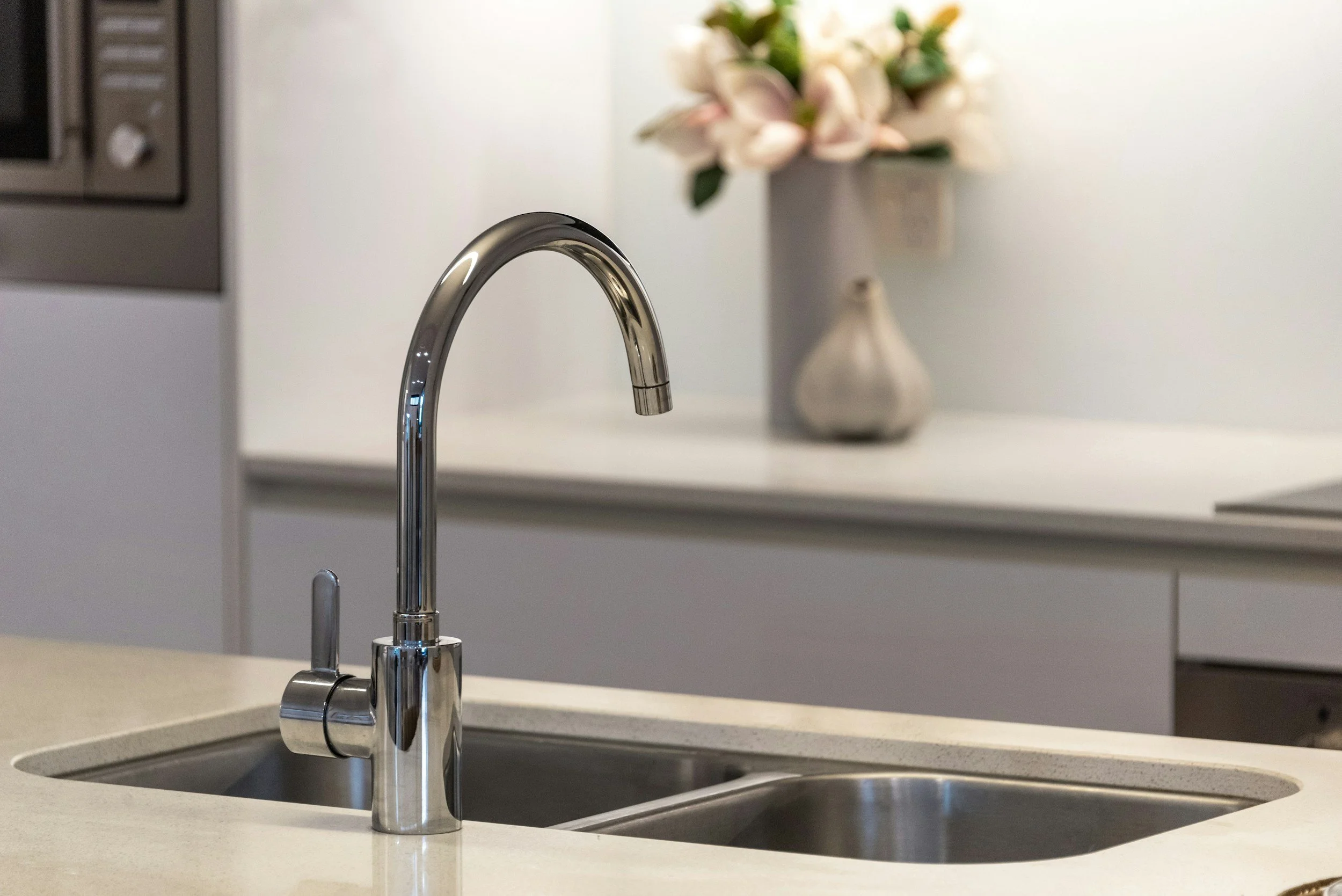
Preventing Blocked Drains: Essential Home Maintenance Tips
Drain blockages are a common yet preventable inconvenience in many households. Regular drain maintenance is crucial in ensuring plumbing systems function correctly without unexpected interruptions. Through proper care and some practical measures, homeowners can significantly reduce the risk of encountering a blocked drain, which can be both bothersome and costly to rectify. This article elucidates essential tips for maintaining home drainage systems to prevent blockages and ensure a seamless flow.
1. Regular Cleaning of Drains
One of the simplest yet most effective ways to prevent drain blockages is regular cleaning. This means routinely clearing out any visible debris such as hair, food particles, and soap scum from sink and shower drains. This proactive approach stops the gradual build-up that typically leads to clogs.
2. Mindful Flushing Practices
What goes down the toilet can significantly impact drainage quality. Non-biodegradable items like wipes, cotton buds, and sanitary products should never be flushed as they can create instant blockages. Only waste and toilet paper should be flushed to avoid potential issues.
3. Grease Management in the Kitchen
Grease and oil are notorious for causing blocked drains in the kitchen. They may enter the sink as liquids, but quickly solidify, creating stubborn blockages. To prevent this, dispose of grease in the bin rather than down the sink, and use strainers to catch food scraps.
4. Regular Use of Hot Water
Frequent flushing of drains with hot water can help dissolve and dislodge early-stage build-ups of grease, soap, and other sticky substances. This simple habit, when conducted weekly, can maintain clear pipes and prevent blockages from forming.
5. Chemical Cleaners with Caution
While chemical drain cleaners can offer a quick fix, their harsh nature may corrode pipes and damage the plumbing system over time. If used, they should be applied sparingly and not relied on as a primary means of drain maintenance.
6. Enzymatic Drain Cleaners
Enzymatic cleaners, which use natural bacteria to eat away at organic matter, can be an environmentally friendly alternative to harsh chemicals. These cleaners are effective for routine maintenance and are less likely to harm your plumbing.
7. Gardening and External Drains
It's not just indoor plumbing that requires attention. Clearing leaves, debris, and roots from the areas surrounding external drains and gutters can prevent blockages that may lead to water damage or overflowing.
8. Invest in Drain Guards
Drain guards can be invaluable in preventing debris from entering the drainage system. They are simple to install in sinks, baths, and showers, and intercept problematic waste material before it becomes an issue.
9. Professional Drain Cleaning
Periodic professional drain cleaning is a prudent investment. Experienced plumbers can thoroughly clear out any accumulating blockages and provide advice specific to your household's plumbing system.
10. Recognize Early Warning Signs
Being vigilant to the warning signs of a blockage—such as slow drainage, unpleasant odors, or gurgling sounds—enables homeowners to act quickly. Early intervention can prevent a minor issue from escalating into a full-blown blocked drain.
11. Dispose of Waste Responsibly
How you dispose of waste plays a significant role in maintaining drain health. Composting food waste or using a bin rather than the garbage disposal unit can reduce the strain on kitchen drains and prevent blockages from forming.
12. Avoiding DIY Drain Repair
While DIY solutions may be tempting, incorrectly addressing a drainage issue can exacerbate the problem. For significant or persistent blockages, it's best to call in professional plumbers to resolve the issue safely and effectively.
13. Be Wary of Plant Placement
Homeowners should be cautious of plant placement; roots can infiltrate and damage pipes, causing blockages. Opt for less invasive species and plant them away from pipes and drainage lines.
14. Educate Household Members
Everyone in the household should be aware of best practices for drain maintenance. Educate family members about what should not go down the drains to keep them functioning optimally.
15. Respond Promptly to Issues
Finally, when faced with a blocked drain, it's crucial to act promptly. The longer a blockage remains, the worse it can become, increasing the potential for costly and extensive repairs.
Maintaining a clear and functional drainage system is an ongoing responsibility that requires attentiveness and routine care. By implementing the above tips and seeking professional assistance when necessary, homeowners can prevent the inconvenience of a blocked drain and ensure their plumbing systems operate efficiently. Remember, proactive maintenance is key to avoiding unexpected plumbing issues and fostering a comfortable and safe home environment.