The Essential Guide to Pruning Palm Trees for Health and Safety
Palm trees, symbolic of tropical relaxation and luxurious landscapes, not only add aesthetic value to your surroundings but are also an integral part of maintaining ecological balance. However, ensuring that these majestic trees remain healthy and safe for the environment requires regular maintenance. An essential component of this upkeep is the proper pruning palm trees.
Understanding the Importance of Pruning
Pruning is not merely about shaping trees for visual pleasure; it is a critical activity for tree health and safety. By removing dead or dying fronds, you can prevent potential hazards, such as falling debris, which could be dangerous during high winds or storms. Furthermore, pruning facilitates better air circulation and sunlight exposure, reducing the risk of disease and fostering robust growth.
When to Prune Palm Trees
The timing of pruning is as significant as the act itself. Typically, the best period for pruning palm trees is late spring or early summer. This is the time when trees have exhausted their stored nutrients during the growth spurt and can easily recover from the pruning process. It is crucial, however, to never over-prune or to trim during the wrong season as it could lead to undue stress on the trees.
Correct Techniques for Pruning Palm Trees
Efficient and effective pruning is a skilled undertaking. The goal is to remove only the dead or dying fronds, flower structures, and any fruit stalks that could attract pests. Special care must be taken not to damage the trunk or remove green fronds, especially those that are horizontal or point upwards, as they are vital for photosynthesis and overall tree health.
Utilising the Right Tools
Practising the correct techniques also involves using appropriate tools. Caring for these trees requires clean and sharp tools to make precise cuts that promote swift healing. Hand pruners, saws or pole pruners are often utilised for this task. Dull or dirty tools can lead to ragged cuts, weaken the tree's structure, and introduce pathogens.
Safety Measures During Palm Tree Pruning
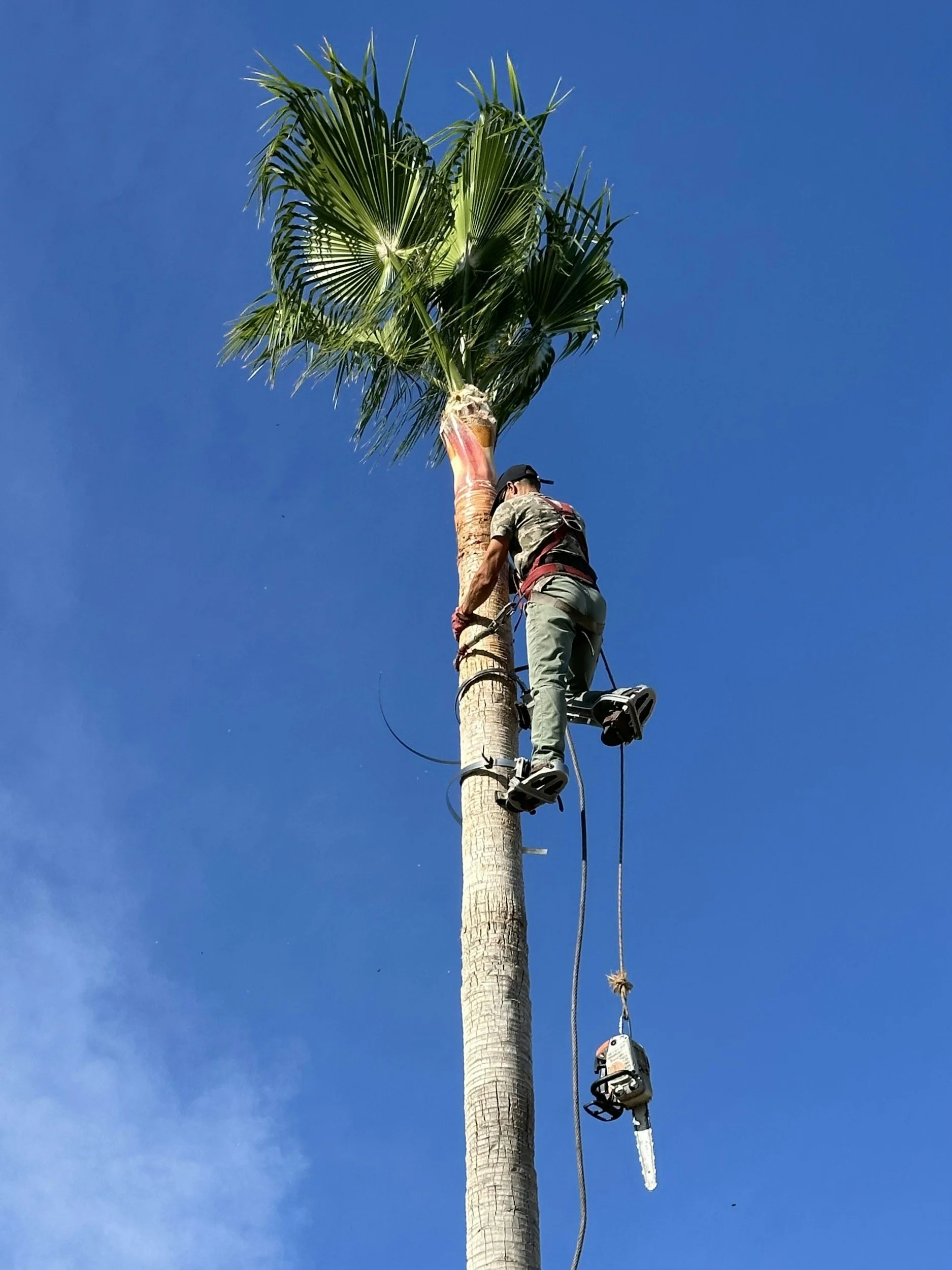
Given that pruning often necessitates working at heights and dealing with potentially large fronds, safety cannot be overstated. Personal safety gear like gloves, safety glasses, and hard hats should be worn, and if you are inexperienced with such tasks, it is best to leave the job to professional arborists who have the knowledge and equipment to carry out the work securely.
Disposal of the Fronds
Post-trimming, the disposed debris needs to be handled appropriately. Dead fronds can be cumbersome and may harbour pests or diseases. They should be cleared from the site promptly to prevent any health issues for the remaining trees and to maintain the tidiness of the landscape.
The Benefits of Regular Pruning
Engaging in a routine of regular pruning carries numerous advantages. Not only does it remove the weight of dead material that can burden a palm tree, but it also ensures a clean appearance, promoting a vibrant landscape. Consistent maintenance efforts help in early detection of potential pest infestations or diseases, facilitating rapid intervention.
Avoiding the Pitfalls of Over-Pruning
Despite the benefits of regular pruning, there lies a hazard in over-pruning. The practice of 'hurricane cutting', where palms are pruned too severely in anticipation of storms, can diminish a tree's health and stamina. Palms require a full crown of leaves to sustain continued growth, and over-pruning can weaken the tree, making it more susceptible to illness and environmental stressors.
Professional Pruning Services
Although palm tree maintenance can be executed by diligent homeowners, the involvement of professional arborists often yields the best results. Skilled in identifying which fronds to remove and how best to execute the cuts, professionals ensure the longevity and well-being of these trees.
Conclusion
Pruning palm trees is a necessity for any property owner wishing to uphold both the aesthetic appeal and the safety of their landscape. It is a complex task, demanding an understanding of appropriate timing, techniques, and safety measures. Proper execution not only enhances the appearance of palm trees but also bolsters their health and ensures their vitality. By either mastering the art of pruning or engaging professional services, you can guarantee that your palm trees remain healthy, safe, and striking features of your environment for years to come.
Maintaining the Health and Safety of Your Palms
In conclusion, it's evident that pruning palm trees is an intricate and essential part of tree management. While many homeowners may feel up to the task, assessing the potential risks and understanding the growth patterns of palm trees are vital components in the maintenance routine. Remember, incorrect pruning can lead to irreversible damage or even the death of these majestic trees.
In light of these considerations, employing the services of a skilled arborist is a wise decision for those who are uncertain about how to properly care for their palms. These professionals can perform the task with precision, ensuring that your palm trees not only survive but thrive, enhancing both the environment and the value of your property.
Whether you choose to take on the responsibility yourself or seek out professional services, knowing the significance of maintaining your palm trees can lead to a healthier, safer, and more beautiful landscape. Moreover, it contributes to a safer community by mitigating the risks associated with poorly maintained trees.