
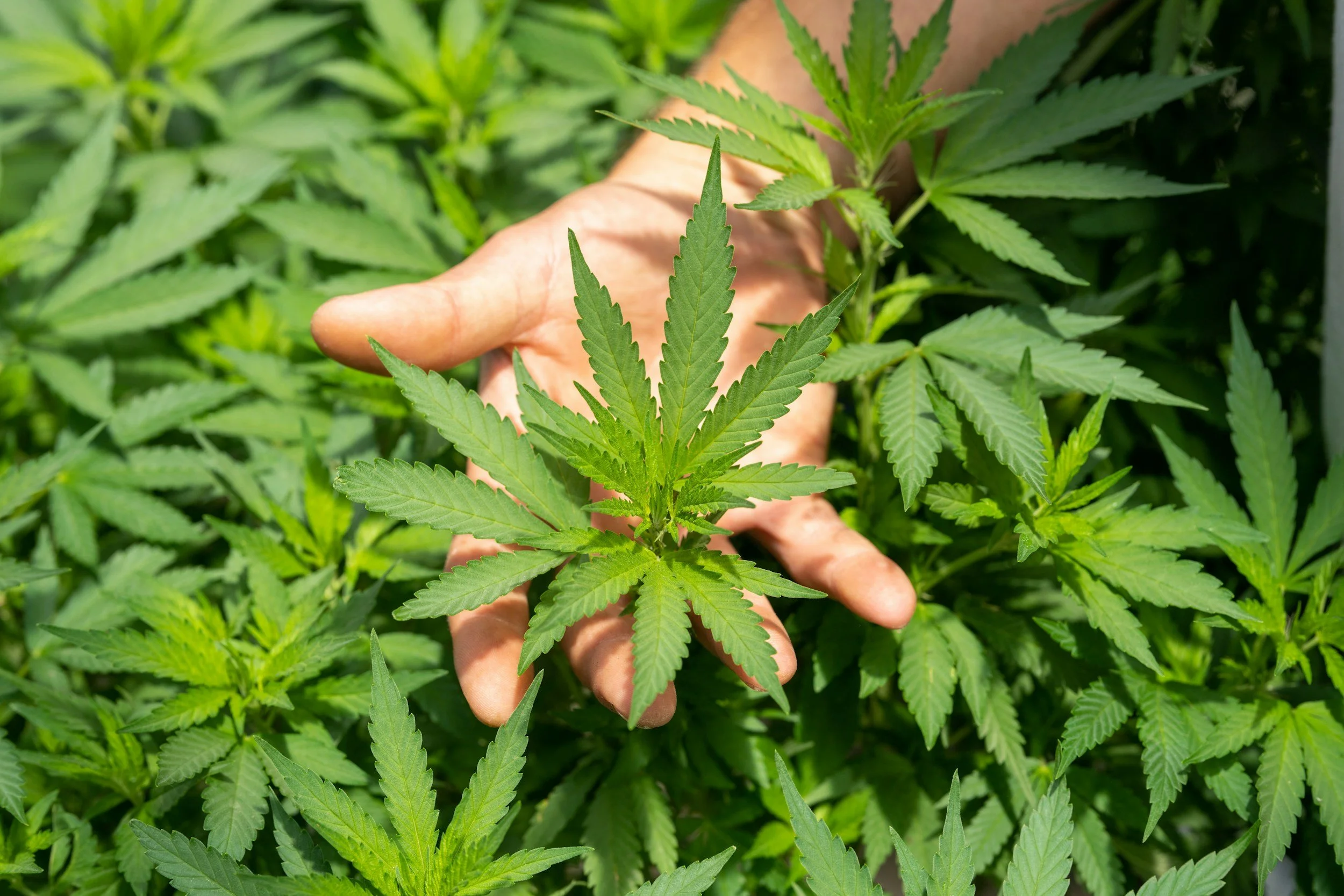
A Beginner's Guide to Cannabis Gardens
Growing your cannabis can be fun and rewarding, whether you want it for personal use or as a hobby. It's an opportunity to care for a plant that many people find interesting and to learn about the art of gardening. If you want to create your cannabis garden, you're in the right place. This guide covers the basics, from selecting seeds to cultivating them.
Growing cannabis is about the experience. Planting seeds, watching them grow, and caring for them can be a very relaxing experience. This process connects you to nature and brings new knowledge. Explore this beginner's guide to cannabis gardening.
Seeds
Your cannabis garden starts with choosing seeds. This step is crucial because the right cannabis seeds will help ensure a successful harvest. Many strains are available, each with different flavours, strengths, and growing needs. You can pick the ones that interest you the most.
There are two main types of seeds: regular and feminized. Regular seeds can grow into both male and female plants. This is good for breeding but can be confusing for beginners since only female plants produce the buds you want. Feminized seeds, on the other hand, are made to grow into female plants. This option is ideal for new gardeners and increases the chances of a successful harvest.
Ensure that you purchase seeds from reputable sources. Look for dispensaries or online sellers that provide clear details about their strains, including how to grow them and what yields to expect. Once you choose your seeds, you can start planning where to place your plants and how to care for them.
Growing Conditions
To grow healthy cannabis plants, you need the right environment. Cannabis thrives in specific temperature ranges and requires sufficient light. Whether you grow indoors or outdoors will shape your setup.
If you grow indoors, invest in a high-quality grow light. The right light spectrum helps your plants grow at all stages. LED grow lights are popular because they are efficient and produce less heat. Cannabis plants like warm temperatures, ideally between 70°F and 85°F during the day.
For outdoor gardens, choosing the right location is key. Find a spot with plenty of sunlight—around six to eight hours a day. Also, think about wind exposure and rainfall. Cannabis prefers well-draining soil, so you might need to mix local soil with materials like perlite or coconut coir. Remember to prepare for changing seasons and potential pests.
Watering and Nutrition
Watering cannabis may seem simple, but it's important to do it right. Both overwatering and underwatering can be problems for beginners. Generally, cannabis is like a good soak followed by a dry period. You can check soil moisture by poking your finger a couple of inches into the soil.
Nutrients are also essential for healthy plants. Fertilizers designed for cannabis provide essential nutrients, including nitrogen, phosphorus, and potassium. Start with a little and increase as needed. Watch your plants. Yellowing leaves may indicate that they need more nitrogen, while burnt tips can suggest that you've used too much fertilizer. As you care for your plants, you'll learn what they need.
Pruning and Training
Pruning and training your cannabis plants can improve yields and health. Removing specific leaves allows light and air to reach the plant more effectively. Techniques like topping and low-stress training (LST) can help shape your plants for more buds.
Topping means cutting the main stem just above a node, which encourages branching instead of tall growth. LST gently bends the branches to let light reach more areas without cutting. Both methods are beginner-friendly, and trying them can add to your gardening experience.
Harvesting and Curing
Once your plants mature, it is time to harvest. Carefully observe them to know when to cut. You should harvest when the trichomes are milky white with a hint of amber for optimal potency.
After harvesting, curing is important. It improves the flavour and potency of your cannabis. Place your buds in jars and open them occasionally to allow the moisture to escape. This process raises the quality of your cannabis and ensures a better experience when you use your home-grown product.