Ensuring Roadside Safety: The Role of Police Saliva Drug Tests
Roadside safety is an issue of paramount importance for both motorists and pedestrians. It is a collective responsibility that concerns government agencies, law enforcement authorities, and individual drivers. One of the key measures that have been widely adopted across jurisdictions to maintain safety standards is the use of a police saliva drug test. These tests are designed to detect the presence of drugs in drivers, which helps to deter driving under the influence and prevent accidents associated with impaired driving.
The Prevalence of Drug-Impaired Driving
Drug-impaired driving has emerged as a significant challenge on the roads. Multiple substances, including illegal narcotics, prescription medications, and even some over-the-counter drugs, can impair one's ability to drive safely. The effects of these substances range from drowsiness and slowed reaction times to more severe impairments that can lead to loss of consciousness or control of the vehicle.
Tools for Detection: Saliva Drug Tests
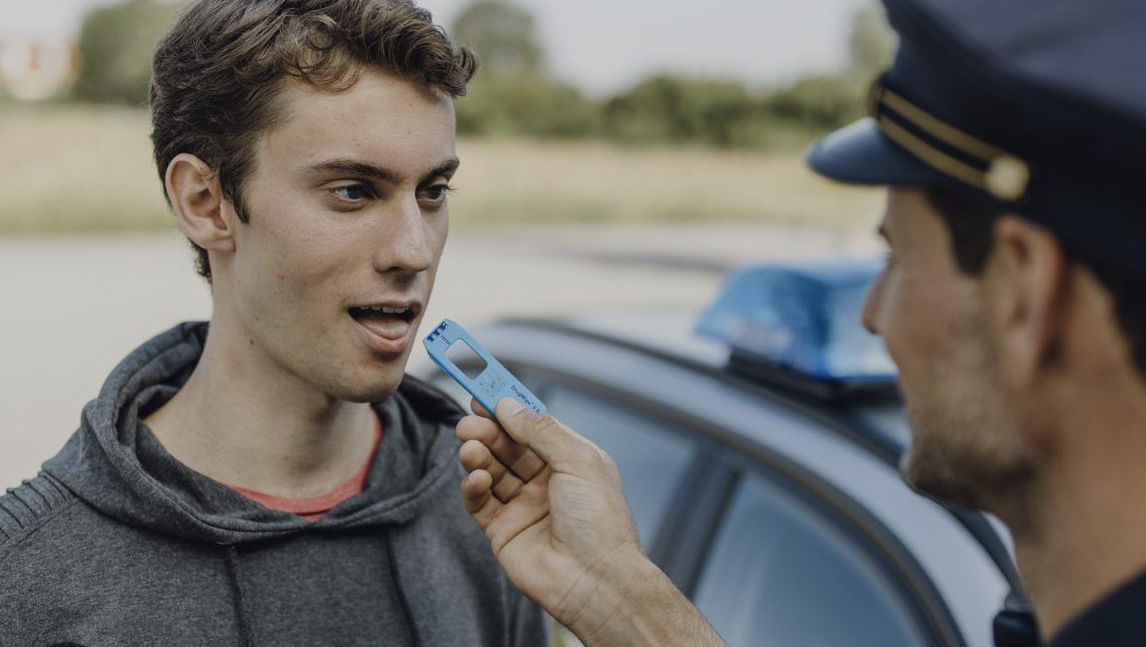
Police saliva drug tests are one of the most effective tools available for the detection of drug use in drivers. These tests are non-invasive, quick to administer, and provide rapid results. By taking a small sample of saliva, law enforcement officers can test for a variety of commonly abused drugs, including cannabis, cocaine, methamphetamines, and opiates.
Key Advantages of Saliva Drug Tests
Saliva drug tests offer several advantages over other methods of drug detection, such as blood or urine tests. They are less invasive, reducing the discomfort and privacy concerns for individuals being tested. The immediacy of the results is crucial in a roadside testing environment, where it is not feasible to detain drivers for the extended periods required for laboratory testing. Furthermore, the risk of adulteration or tampering with the sample is markedly lower due to the direct collection method.
Impact on Roadside Safety
The implementation of saliva drug testing by police has had a measurable impact on roadside safety. This proactive measure serves as a deterrent to individuals who might consider driving after using drugs. Moreover, it enables law enforcement to remove impaired drivers from the roads swiftly, thus reducing the risk of accidents related to drug impairment.
Training and Protocols for Effective Implementation
For saliva drug tests to be an effective part of roadside safety measures, proper training and protocols must be in place. Police officers receive specialised training to administer these tests accurately and interpret the results correctly. Standardised procedures ensure that the tests are carried out consistently and in accordance with legal requirements, which is crucial for upholding the integrity of the process.
Legal Implications and Driver Awareness
As part of the focus on roadside safety, there is a strong emphasis on public awareness regarding the legal implications of drug-impaired driving. Drivers should be aware that, much like alcohol, the presence of certain levels of drugs in their system is not only dangerous but also illegal. Driving while impaired can result in severe penalties, including fines, license suspension, and even jail time.
Challenges and Future Developments
While saliva drug tests have been instrumental in enhancing roadside safety, there are still challenges to tackle. These include keeping up with emerging drugs and drug trends, enhancing the sensitivity and specificity of tests, and ensuring that public policies reflect the latest developments in testing technology. Research and innovation in this field must continue to ensure that saliva drug tests remain a reliable and effective tool for roadside safety.
Global Adoption and Best Practices
The adoption of saliva drug tests for roadside safety is a global trend, with many countries incorporating these tests into their law enforcement strategies. Best practices are being shared and developed through international cooperation. By learning from the successes and setbacks of various jurisdictions, improvements and refinements can be made to maximise the efficacy of these tests worldwide.
Conclusion
In conclusion, the usage of a police saliva drug test is a crucial component in the push for improved roadside safety. Saliva drug tests enable police to quickly and efficiently determine whether a driver is under the influence of drugs, ensuring prompt action can be taken to prevent potential accidents. These tests not only serve to protect the lives of drivers and pedestrians but also act as a deterrent against drug use before getting behind the wheel. With ongoing developments in testing technology and a strong commitment to public awareness, saliva drug tests will continue to play an essential role in maintaining safety on our roads.
Ensuring a Safer Tomorrow
The role of police saliva drug tests in roadside safety cannot be overstated. As technology advances and our understanding of drug impairment evolves, so too must our approaches to enforcement and prevention. By staying informed and vigilant, we can all contribute to a safer driving environment and reduce the incidence of drug-impaired accidents on our roads, ensuring a safer tomorrow for everyone.