How to Assemble a Basic First Aid Kit for Home and Travel
Being ready for life's little surprises starts with a well-stocked first aid kit. Whether you're at home or on the go, having the right supplies can make all the difference in an emergency.
From minor cuts to sudden headaches, the basics can help you stay calm and take action fast. It doesn't take much time or money to build one-just a little know-how and smart planning.
Ready to assemble a first aid kit that covers all your everyday needs? Let's make sure you're prepared no matter where life takes you! Let's dive in.
Start with the Basics
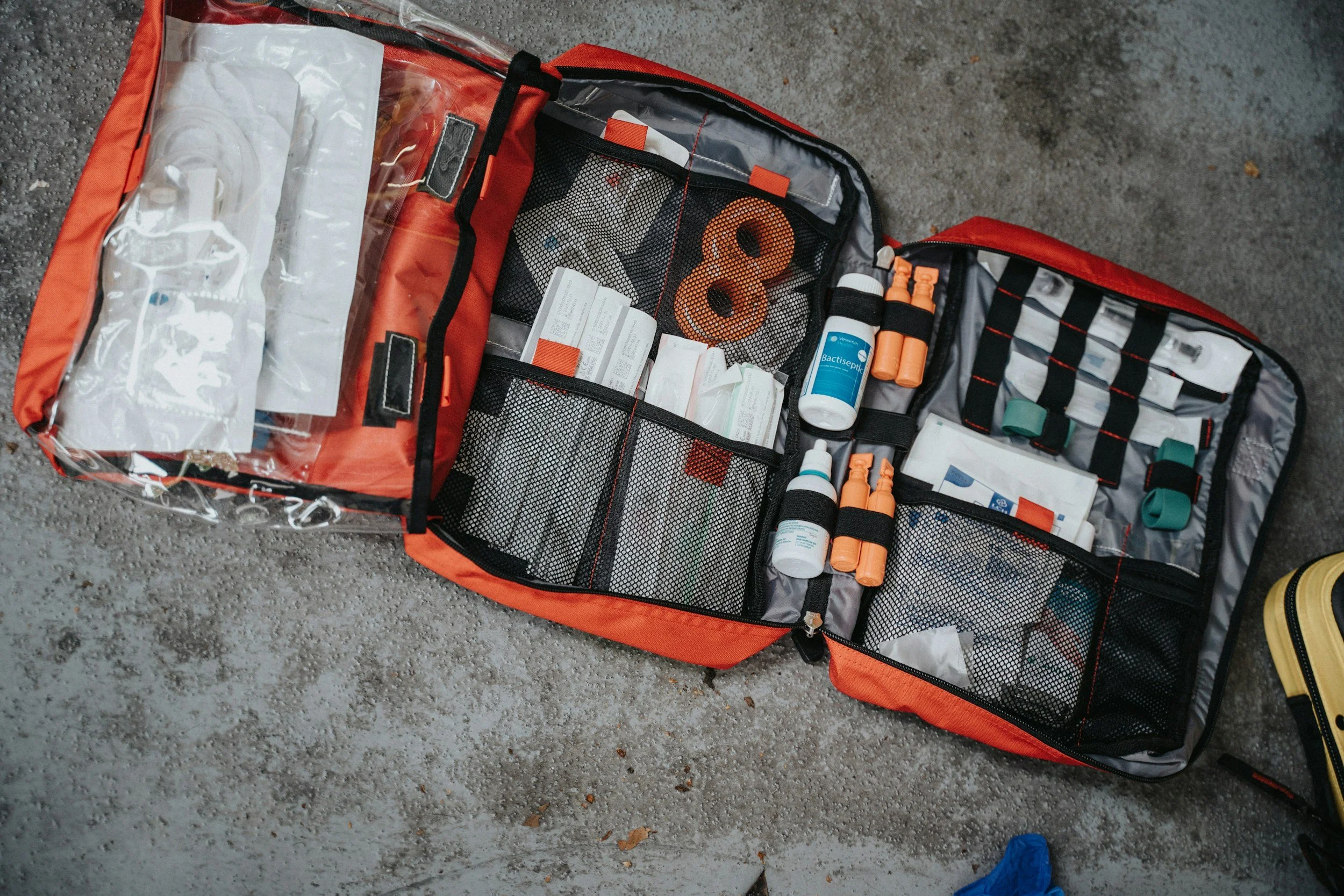
Every first aid kit should begin with the essentials. Begin by including:
adhesive bandages
antiseptic wipes
gauze pads
medical tape
You can even add tweezers, scissors, and disposable gloves for safety. These items help you quickly handle minor cuts, scrapes, and burns. Also, pack an instant cold pack and a digital thermometer.
A simple first aid manual is helpful, especially during high-stress moments. Store everything in a sturdy, clearly labeled container.
Whether at home or in your bag, these basics form the foundation of a kit that's ready for everyday situations and unexpected bumps along the way.
Include Pain Relievers and Medication
Pain and discomfort can strike at any time, so it's smart to include over-the-counter medications in your kit. Add acetaminophen or ibuprofen for pain and fever, and antacids for stomach issues.
If allergies are a concern, pack antihistamines too. Don't forget any personal prescriptions you or your family may need while traveling. Include extras like cough drops or motion sickness tablets, depending on your lifestyle.
With the right medications on hand, you'll feel more in control and better equipped to ease discomfort when it arises.
Stock Up on Emergency Tools and Accessories
Emergency tools help you respond quickly and effectively in urgent situations. Include a flashlight with spare batteries, a whistle, and a CPR face shield.
Add a first aid blanket to keep someone warm in case of shock. Safety pins, a notepad, and a pen can also come in handy. For travel, consider adding bug spray and sunscreen.
These accessories may seem small, but they can make a big difference in how you manage a crisis.
Keep Your Skills Up-to-Date
Having a great first aid kit is important, but knowing how to use it is essential. Take time to refresh your basic first aid and CPR skills regularly. You can easily do this by getting certified online.
Check out certification at https://cprcertificationnow.com/products/cpr-first-aid-bloodborne-pathogens-certification to learn lifesaving skills at your own pace. This knowledge helps you stay calm and act confidently in emergencies.
The more prepared you are, the more effective your response will be when seconds count. Don't just carry a kit-know how to use it.
Tips for Assembling a Basic First Aid Kit
Putting together a basic first aid kit is one of the easiest ways to protect yourself and your loved ones. With the right supplies and a little preparation, you can handle everyday injuries and unexpected emergencies with confidence.
Don't wait for something to go wrong-take action now. Start building or updating your kit today, and make sure it fits your unique needs. Stay ready, stay safe!
Did you find this article helpful? Check out the rest of our blog now!