
How To Keep Your Teeth White After Professional Whitening Treatments
Key Takeaways
Proper aftercare is crucial to maintain the brightness of professionally whitened teeth.
Daily habits, food and beverage choices, and oral hygiene can all impact the longevity of whitening results.
Scheduling a regular dental cleaning appointment helps protect your investment and keeps your smile radiant.
Table of Contents
Habit Changes to Protect Your White Smile
Adopt a Whitening-Friendly Diet
At-Home Whitening Maintenance
Advice from Dental Professionals
The Importance of Routine Dental Visits
Conclusion
Why Whitening Aftercare Matters
Investing in professional whitening delivers dramatic, instantly noticeable results. However, the brightness you achieve in the dentist’s chair can fade over time if you do not take steps to care for your teeth. Following in-office whitening, your enamel becomes more porous, making your teeth more vulnerable to new stains and discoloration from daily habits and certain foods and drinks. Maintaining your results starts with understanding best practices and regular oral care, beginning immediately after your appointment. Professionals strongly recommend that patients avoid consuming staining foods and drinks in the first 48 hours after whitening. During this period, your teeth are more susceptible to absorbing pigments, and habits in these critical hours will set the stage for how long your brighter smile lasts. Consistent oral hygiene, appropriate at-home whitening products, and routine dental cleaning appointment also play vital roles in maintaining your results over time.
Habit Changes to Protect Your White Smile
Your lifestyle habits significantly affect how long your teeth remain white after treatment. One of the most common causes of tooth discoloration is the regular consumption of staining beverages like coffee, red wine, and tea. If you cannot eliminate these drinks, try sipping through a straw or rinsing with water right after drinking. Smoking or using tobacco products is another major contributor to yellowing; quitting or minimizing use will benefit both your teeth and overall health. Secondly, be attentive to your oral hygiene routine. Brushing at least twice daily and flossing help prevent plaque buildup and surface stains. An electric toothbrush may remove stains more effectively than a manual brush, especially along the gumline and between teeth.
Adopt a Whitening-Friendly Diet
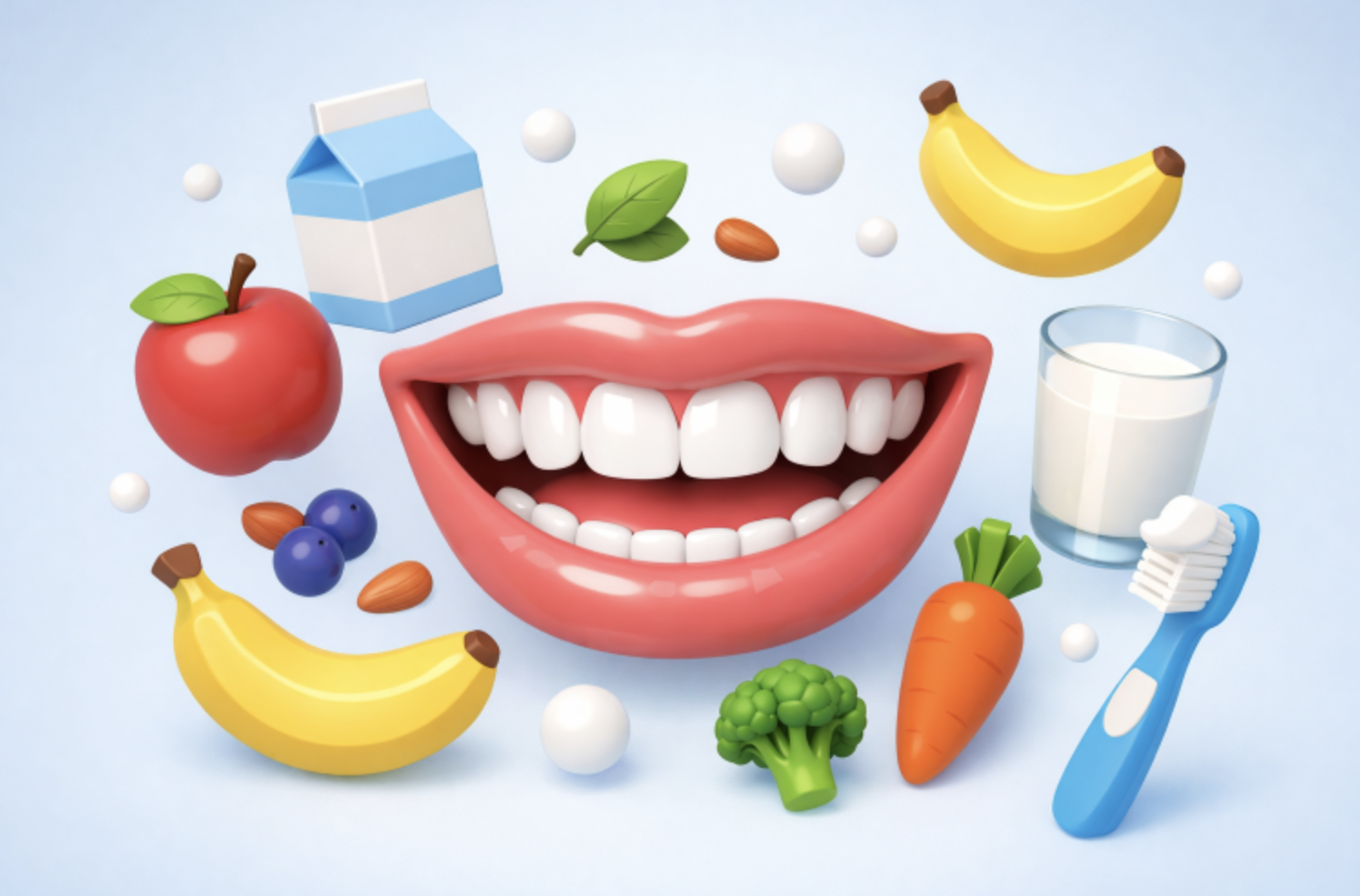
The foods you eat greatly impact the maintenance of your whitening results. For at least two days after whitening, avoid dark-colored foods and drinks such as berries, soy sauce, tomato sauce, cola, and balsamic vinegar. Instead, opt for "white diet“ options such as bananas, cauliflower, rice, chicken, and milk. These foods are less likely to stain your enamel while it is at its most vulnerable post-whitening.
For the longer term, make these choices a regular part of your diet to reduce the likelihood of staining. Incorporating crunchy fruits and vegetables such as apples, celery, and carrots can help remove surface debris and keep your enamel looking fresh.
At-Home Whitening Maintenance
Maintaining your teeth's whiteness after professional treatment often requires ongoing at-home care. Many dental offices offer custom or over-the-counter touch-up kits, usually containing whitening trays or strips with lower concentrations of bleaching agents. Use these only as directed by your dentist to avoid tooth sensitivity or enamel damage. Additionally, using whitening toothpaste containing gentle abrasives or peroxide can sustain the brightness achieved in the office. Avoid overuse of any whitening product, as excessive whitening can harm the enamel. If sensitivity or irritation occurs, reduce the frequency of whitening product use and consult your dentist for recommendations.
Advice from Dental Professionals
Your dentist’s advice is invaluable after a whitening treatment. Ask for personalized recommendations for aftercare products based on your individual needs and any sensitivities. Dentists often suggest specific toothpaste for sensitive teeth or mouth rinses that help remineralize enamel. Sometimes professional cleanings can be paired with gentle polishing to lift mild surface stains that accumulate in between whitening sessions.
The Importance of Routine Dental Visits
Professional cleanings are vital in prolonging the effects of teeth whitening. During these appointments, your hygienist removes buildup that regular brushing cannot address. Routine dental exams also allow your dentist to detect early signs of new staining or enamel erosion, enabling prompt intervention if needed. Consistency is key. Keeping up with biannual dental cleanings not only supports a bright, healthy smile but also helps address problems before they undo your whitening results.
Conclusion
Achieving white teeth with professional whitening is an investment worth protecting. Longevity depends on adopting careful habits, making smart dietary choices, practicing diligent at-home care, and maintaining consistent visits for cleanings. By following simple aftercare rules and maintaining excellent oral hygiene, your teeth can stay brighter for longer, ensuring you always leave a lasting impression with your smile.