How Truck Safety Advocacy Is Making American Highways Safer for Everyone
Every year, millions of commercial trucks travel across the United States, delivering goods that keep the economy moving. While the trucking industry is essential to modern life, the sheer size and weight of these vehicles means that when accidents occur, the consequences can be devastating. What often goes unnoticed, however, is the remarkable progress being made by safety advocates, regulators, lawmakers, and legal professionals who are working together to reduce the frequency and severity of truck-related crashes. The story of highway safety is, in many ways, a story of collaboration, innovation, and a shared commitment to protecting human life.
The Scale of the Challenge and Why It Matters
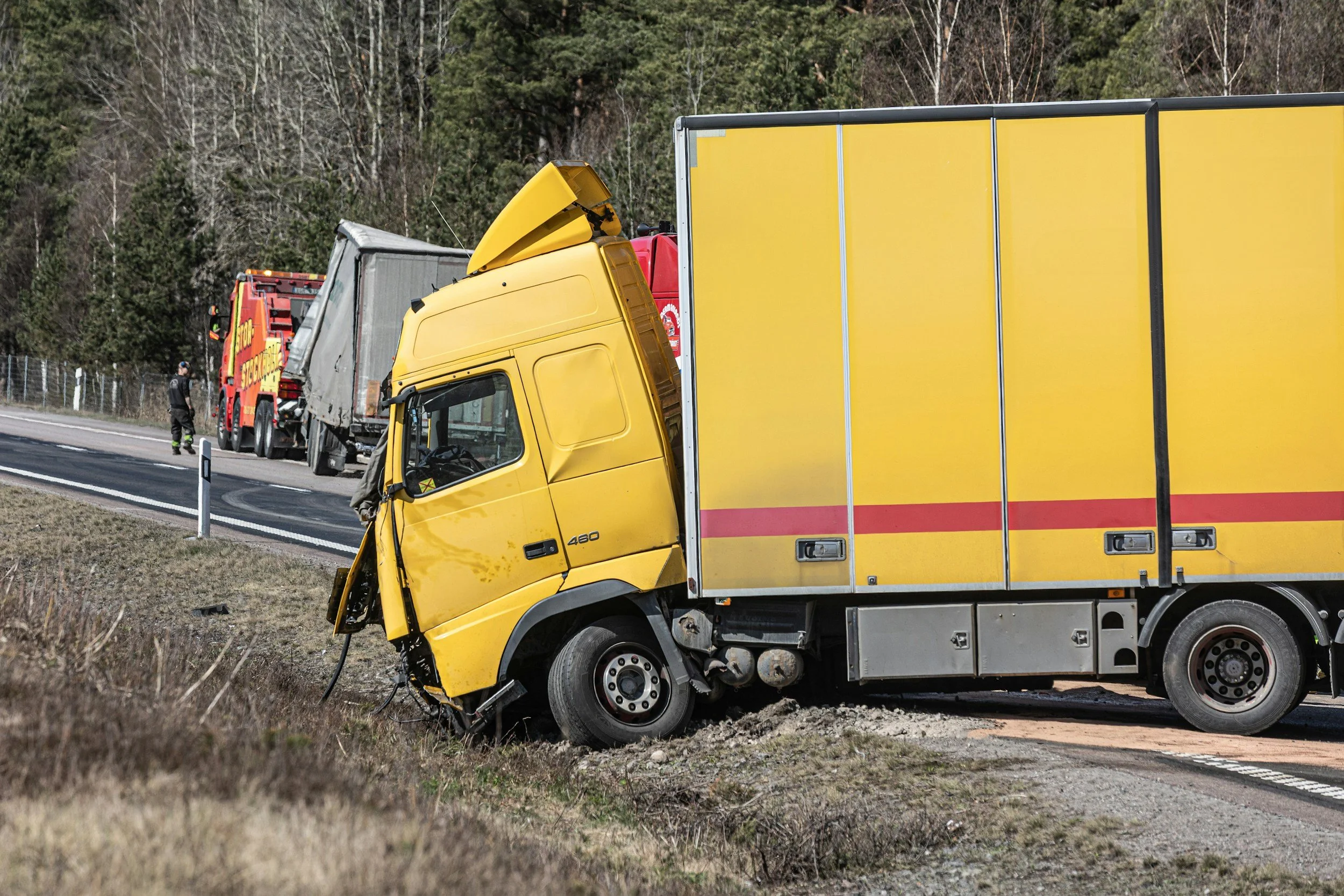
Understanding the importance of truck safety begins with acknowledging the scope of the issue. Commercial trucks account for a significant portion of highway fatalities each year, and the injuries sustained in these collisions are often catastrophic due to the extreme weight disparity between large trucks and passenger vehicles. A fully loaded semi-truck can weigh up to 80,000 pounds, compared to the average passenger car weighing roughly 4,000 pounds. This difference in mass means that even a relatively low-speed collision can result in life-altering injuries or death for occupants of smaller vehicles. Recognizing this reality has driven decades of advocacy, research, and policy reform aimed at making roads safer for everyone who uses them.
Regulatory Progress and Federal Safety Standards
One of the most meaningful areas of improvement has come through federal regulation. The Federal Motor Carrier Safety Administration has steadily expanded its oversight of the trucking industry, introducing stricter hours-of-service rules to combat driver fatigue, mandating electronic logging devices to ensure compliance, and setting higher standards for vehicle maintenance and inspection. These regulations have had a measurable impact on crash rates over the past two decades. According to the Federal Motor Carrier Safety Administration, ongoing data collection and analysis have allowed regulators to identify high-risk carriers and target enforcement efforts more effectively. The result is a regulatory environment that holds the industry to a higher standard of accountability than ever before.
Beyond federal oversight, individual states have also taken meaningful steps to improve truck safety. Many states have invested in better highway infrastructure, improved signage in high-risk corridors, and enhanced training requirements for commercial driver's license applicants. These layered approaches, combining federal standards with state-level initiatives, create a more comprehensive safety net for all road users.
Technology as a Force for Safer Roads
Perhaps no single force has done more to advance truck safety in recent years than technology. Modern commercial vehicles are increasingly equipped with advanced driver assistance systems that were unimaginable just a generation ago. Automatic emergency braking, lane departure warnings, blind-spot detection, and stability control systems are now standard features on many new trucks. These technologies work quietly in the background, catching driver errors before they become catastrophic events.
The development of forward-collision mitigation systems has been particularly significant. Studies have shown that these systems can reduce rear-end crashes involving large trucks by a substantial margin. As fleet operators upgrade their vehicles and manufacturers continue to innovate, the technology available to protect drivers and other road users will only improve. The trucking industry's willingness to invest in these systems reflects a broader cultural shift toward prioritizing safety as a core operational value rather than an afterthought.
The Role of Legal Professionals in Promoting Accountability
Safety improvements do not happen in a vacuum. Legal accountability plays a critical role in incentivizing better practices across the industry. When carriers, manufacturers, or drivers fail to meet safety standards and someone is harmed as a result, the legal system provides a mechanism for justice and, importantly, for systemic change. Lawsuits brought in the aftermath of serious crashes often reveal patterns of negligence, whether it is a carrier that ignored maintenance warnings, a driver who exceeded legal driving hours, or a manufacturer that knew of a defect and failed to act.
For individuals who have been injured in a serious collision involving a commercial vehicle, working with an experienced truck accident lawyer can be essential to navigating the complex web of liability that these cases often involve. Beyond securing compensation for injured parties, successful legal actions create public records that can inform future regulatory efforts and put pressure on the industry to maintain higher standards. In this sense, legal professionals serve as important partners in the broader project of highway safety advocacy.
Driver Training, Wellness, and Industry Culture
Behind every truck is a human being, and the well-being of commercial drivers is central to road safety. The trucking industry has historically struggled with high driver turnover, long periods away from home, and the physical and mental toll of long-haul driving. Fatigue remains one of the leading contributing factors in serious truck crashes, and addressing it requires more than regulatory compliance. It requires a genuine cultural commitment to driver wellness.
Forward-thinking carriers have begun investing in comprehensive driver training programs that go beyond the basics of vehicle operation to include defensive driving techniques, mental health resources, and fatigue management strategies. Industry associations have championed wellness initiatives that recognize drivers as skilled professionals whose health and performance directly affect public safety. These investments pay dividends not only in reduced crash rates but also in lower turnover, better driver morale, and stronger company reputations. When the industry treats its drivers well, everyone on the road benefits.
A Shared Responsibility for Safer Highways
The progress made in truck safety over recent decades is genuinely encouraging. Crash rates have declined, technology has improved, regulations have strengthened, and the legal system has proven itself capable of holding negligent parties accountable. But the work is far from finished. As the volume of freight on American roads continues to grow, the challenges will evolve, and so must the solutions. Continued investment in research, infrastructure, driver training, and technological innovation will be essential to sustaining the gains that have already been made.
Ultimately, highway safety is a shared responsibility. It belongs to regulators who set the rules, carriers who follow them, drivers who operate these enormous vehicles with skill and care, legal professionals who pursue accountability when things go wrong, and advocates who keep the pressure on for continued improvement. When all of these stakeholders work in alignment, the roads become safer for every family making a trip, every commuter heading to work, and every driver navigating the long miles that keep America supplied and connected.