
The Different Ways Technology is Changing Travel
There isn't a part of life that technology hasn't touched, and although the views of some are that technology is bad, it is actually more beneficial for life than people seem to realize, especially in travel. Travel is a sector that has experienced massive changes thanks to technology in all areas.
It's the tech-savvy millennials and Gen Z who are driving the technological revolution in travel. Their love for technology and travel is instrumental in introducing new technology and technological advances that make it much easier to explore the world and have an improved travel experience. And it's not just them who are benefiting—these changes benefit all consumers.
One 2020 study found that 55% of respondents were happy with the introduction of technology that personalizes their travel experience, while a different 2022 study found that people would love to see technology that reduces query waiting times and congestion in public places. 29% wanted to see technology that prevents travel delays prior to embarking on any journeys.
This post is going to dive into some ways in which technology, gadgets, and apps are revolutionizing the travel experience for people and what you can expect from modern-day travel.
Travel Planning Apps
Travel planning apps have transitioned from being nice-to-have tools to essential components of modern travel. Apps like Airbnb, TripIt, and Hopper rely on AI-driven prediction to deliver personalized experiences based on your needs, previous searches, and bookings. This AI technology operates within strict privacy guidelines, ensuring that your personal data is secure while providing a more detailed trip tailored to your preferences and based on past choices and suggestions.
This becomes even more important when you look at the rise of remote workers and those who travel the world. Newer remote working and business travel planning apps allow for tasks like itinerary management, expense tracking, and local recommendations to enable an easier way to work and a seamless experience that ensures they get what they need to explore new places and get work done.
Travel Apps
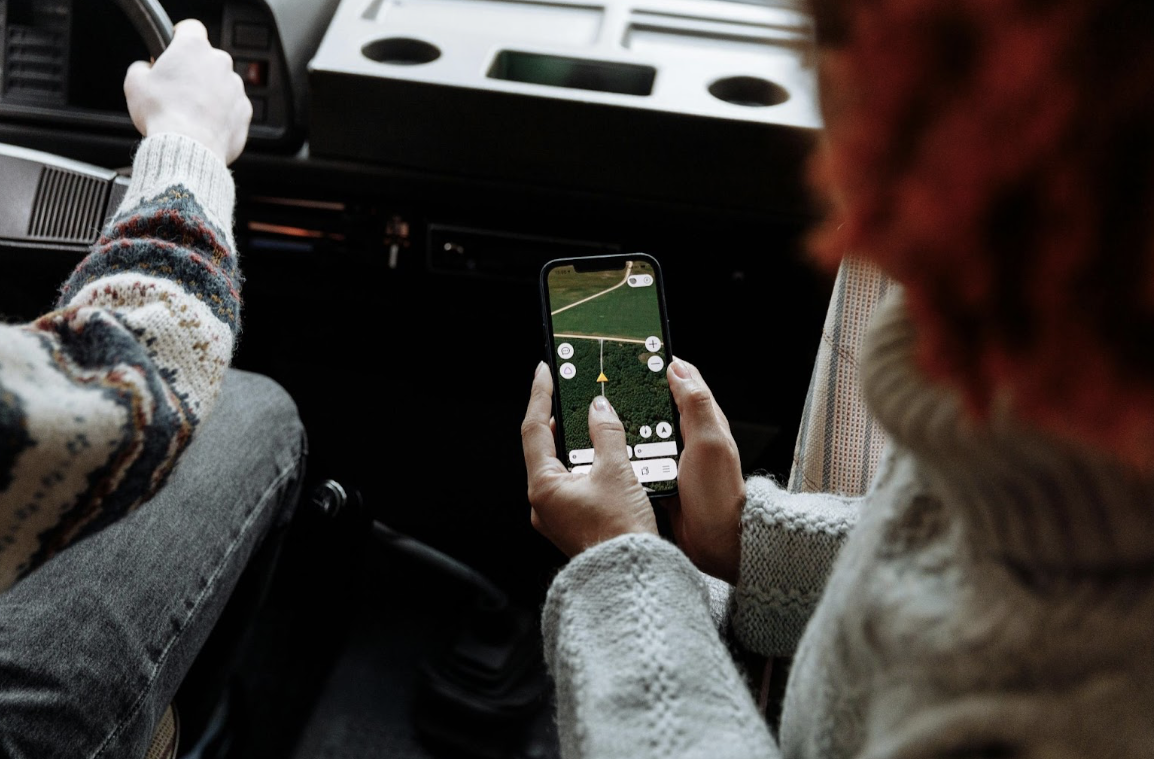
Travel apps facilitate the booking and planning of various aspects of travel. From booking transfers to airports (Uber) to flight apps, restaurant booking apps, review apps, comparison apps, and local travel guide apps, a wealth of technology already exists that brings the information you need to your fingertips, providing unparalleled convenience and peace of mind.
These days, modern travelers can store their tickets on their phones, allowing digital storage options to remove the need to have physical tickets to hand. Scanning a barcode for access or presenting the required details via cell phone can make the transition easier and smoother and ensure you have what you need digitally, regardless of how you access it.
Statistics surveys show that these days travelers will use apps with more personalization than they would have pre-COVID times, meaning more people will have easier access to the information required to plan and execute travel plans.
These apps that are becoming increasingly popular for travel plans include AI chatbots that help with booking queues to get immediate answers, contactless check-in airports, hotels, accommodation, etc., and contactless payments that remove the need for cash or use a physical car to make payments (Google and Apple Pay are becoming more popular for travelers).
Entertainment
No longer are people restricted to boredom, limited in-flight entertainment options, and tedious car journeys playing I-Spy, for example. Apps and digital platforms enable travelers to have a wealth of environments at their fingertips. While these are typically the same apps and technology you would use at home, the advancement of these apps makes them perfect for travel, too.
For example, during long flights, you download your favorite shows and movies to your device to enjoy while in the air, and your phone is in flight mode. You can play games while waiting at the airport thanks to the software technology designed to be played anywhere, anyhow. For example, you can take your fairy-changed gaming device with you at airports or on long road trips or coach journeys. You can play games via web applications such as wordle, Solitaire, Candy Crush, etc., which don't require an active internet connection at all times for all features.
Wearable Technology and IoT
IoT is being embraced in the travel sector in various ways, and this is obvious in places like hotels and airports, where IT solutions are utilized to benefit customers.
A good example is IoT, which uses sensors to monitor the flow of traffic through an airport. Wi-Fi enables devices to track airport equipment's movement to ensure everything runs seamlessly for the traveler and passenger apps, making the performance even better for flyers. With this technology, it allows people to bypass traditional check methods, access room keys with digital keys instead, and allow guests to order amenities via an app so they don't need to call reception or go and wait for extras they might need. This enhances the travel experience and improves service providers' operational efficiency.
Recognition Technology
This is the technology that recognizes people, improves service options, and makes your environment more convenient. This is typically via the use of biometrics such as fingerprint access or facial recognition. While this type of technology means that there are fewer interactions, people can self-serve where required without waiting in lines, and security can be improved as it is harder to fake biometric or recognition technology for reduced fraudulent activity. However, it's important to note that the use of biometric data raises concerns about privacy and the potential misuse of personal data. It's important to weigh these risks against the benefits when considering the adoption of recognition technology in travel.
Security
Security when traveling is a huge deal, and technology has made it even easier to stay safe when you are out and about. From everyday apps that lock phones remotely if they are lost or stolen to banking apps that allow you to freeze your cards or accounts if they, too, are not in your possession, this technology provides a sense of security and peace of mind.
You can set locks on devices so that they are accessible without biometrics, a code, or a password, and you can use security apps that provide extra protection when traveling. For instance, apps like 'Find My iPhone' allow you to remotely lock or erase your device if it's lost or stolen. Similarly, 'Norton Mobile Security' provides protection against malware and phishing attempts while you're on the go.
You might find the use of a VPN app instrumental when working abroad so you can stay protected at all times. You might also find tracking apps that allow others to track your activities and location, which are essential in case you get into difficulties. For example, 'Life360' is a popular tracking app that allows family members to keep tabs on each other's whereabouts, providing peace of mind in case of emergencies.
You can even get apps that track global crime rates, so you can find out how to post common tourist scams or tips on staying safe. You can get apps that act as personal alarms, international SOS assistance apps, and more that all help you to stay safe when traveling. For those interested in staying informed about travel safety and incidents, an accident report offers a comprehensive resource for accident reports and safety updates, ensuring travelers are well-prepared and aware of potential risks during their journeys.
VA Technology
Virtual assistant technology is already beloved by many people and travelers. It can be a source of support and reassurance simply by posing questions to apps like Siri or Alexa. You can find and learn about different places you are visiting to assist you in getting what you need more easily.
These VA tools are explicitly designed to deliver you specific information when requested. So, if you need to find transport from an airport to a hotel, you can ask your VA app to help you find the best options. You can get a restaurant recommendation, observe local customs by asking the VA, getting directions, or getting any other type of support you need.
The prevalance of these apps means you integrate them seamlessly into your life. As they learn more about you, they can learn more personalized recombination based into your usage and activities to help you get what you need when you need it, regardless of where in the world you are.
Big Data
Travel companies use Big Data and AI to help personalize travel experiences, as mentioned earlier in the past. From a booking point of view, this personalization is used in tools such as Skyscanner to help you get a list of optimized recommendations based on your habits. This means the level of human involvement is reduced, and you can save time, reduce errors, and get what you want easier and faster over having to talk to people to get the information you need. From a user service standpoint as a traveler, big data and AI are instrumental in supporting more seamless travel experiences to help you get what you need when you need it to enhance your travels.
As you can see, technology has revolutionized travel in multiple ways, and this is just the tip of the iceberg. There is more to come in relation to technology and the travel sector that will benefit the customer at every point.