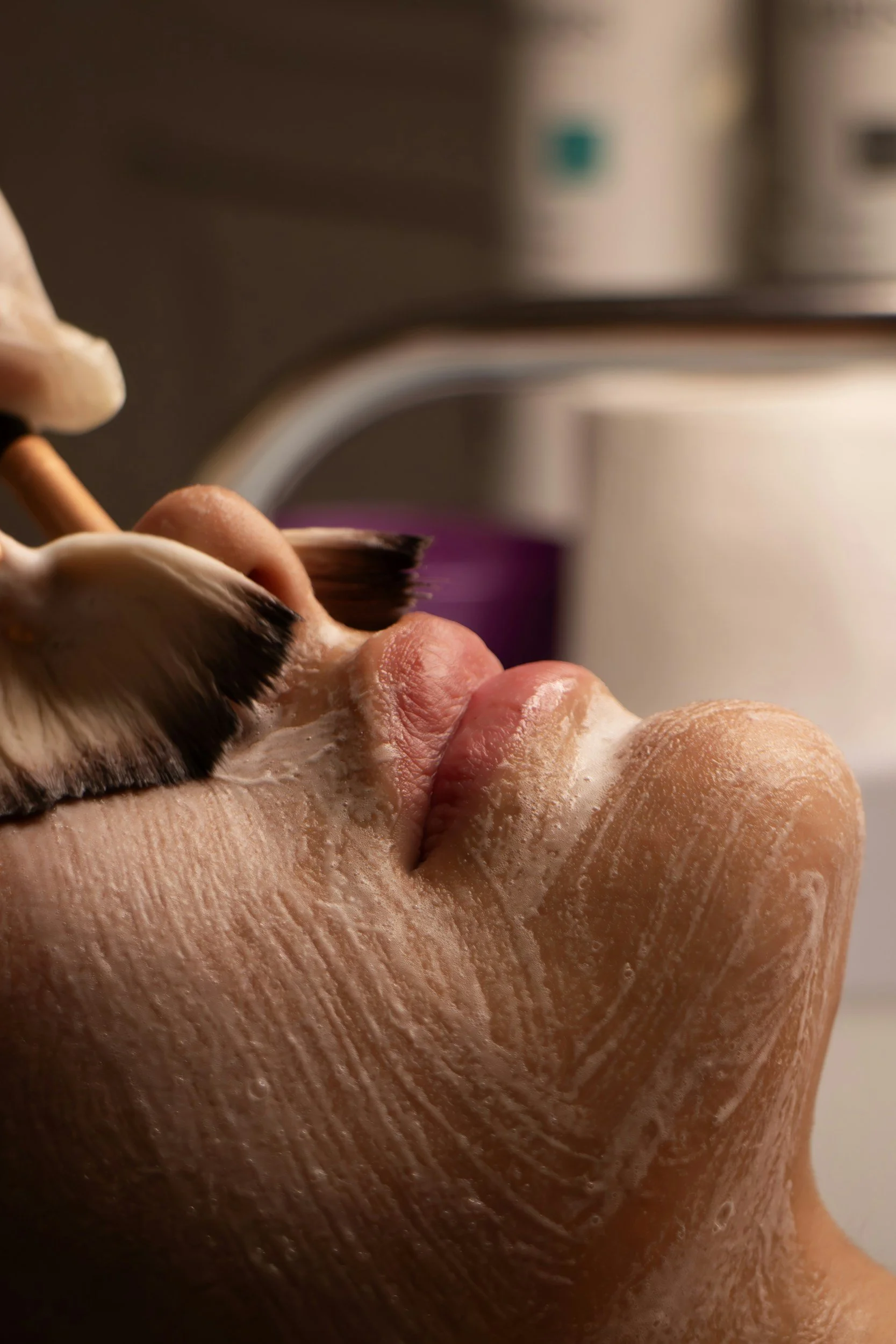
What to Know Before Trying a Chemical Peel
Chemical peels get lumped together as one treatment, but the range between a light refresh and a deep resurfacing peel is bigger than most people realize.
Chemical peels have been a skincare staple for decades, but the sheer range of strengths and formulations means two people can have completely different experiences with something called by the same name. Clinics offering chemical peels generally spend real time explaining which strength fits a specific skin concern before treatment.
Peels Aren't All the Same Strength
Peels range from superficial treatments that address surface dullness with essentially no downtime, to deeper formulations that require days of visible peeling and recovery. Choosing the wrong strength for a first-time treatment is one of the more common mistakes, often driven by wanting faster results than a milder option provides.
What Different Strengths Actually Address
Light peels: dullness, minor texture irregularities, quick refresh
Medium peels: fine lines, mild pigmentation, more noticeable texture improvement
Deep peels: significant sun damage, deeper wrinkles, longer recovery required
Why Skin Type Matters More Than Trend
A peel that works well for one skin type can cause irritation or uneven results on another, particularly for people with more sensitive or reactive skin. A proper consultation should take skin type and history into account rather than defaulting to whatever peel is currently popular.
What Recovery Actually Looks Like
Recovery varies significantly by peel strength, from essentially no visible downtime with light peels to a week or more of visible peeling with deeper formulations. Sun protection during recovery matters regardless of strength, since freshly treated skin is more vulnerable to UV damage.
Setting Realistic Expectations
A single peel can produce a noticeable refresh, but more significant concerns like deeper pigmentation or wrinkles typically require a series of treatments rather than one session. A practitioner should be upfront about how many treatments a specific goal realistically requires.
Frequently Asked Questions
How do I know which peel strength is right for me? A proper consultation examining your specific skin concern and history is the most reliable way to determine this, rather than picking based on what's trending.
Is peeling always visible after a chemical peel? Not always. Lighter peels often produce minimal visible peeling, while deeper peels involve more obvious flaking as part of the recovery process.
How soon can results be judged? Full results typically take one to two weeks to become apparent as the skin completes its renewal cycle.