Why More Retirees Are Choosing Independent Living Communities
Picture your ideal retirement. Go ahead — what does it actually look like? For a lot of older adults, the answer isn't a rocking chair. It's staying active, keeping control, living somewhere that works *with* them instead of against them. Independent Living Communities have surged in popularity because of exactly that. Retirees want their later years without the anchor of home repairs or the rigid structure of traditional care facilities. And honestly, that's a reasonable thing to want. Freedom and convenience. Privacy and connection. Autonomy, with a safety net nearby if it's ever needed.
Understanding the Appeal of Independent Living
This isn't your grandmother's retirement home. Independent Living Communities take a fundamentally different angle — they're built around choice, dignity, and an active life rather than medical oversight or assistance with basic tasks. Residents run their own schedules. Wake up when they want. Spend the day however they see fit. Socialize with whoever they choose. Most communities offer spacious apartments or suites with modern kitchens, full bathrooms, private patios. Real living spaces, not clinical ones. The broader shift toward this model reflects something important: healthy, active older adults want more than just a safe address. They want purpose. Community. Life on their own terms.
Freedom From Home Maintenance Responsibilities
Ask any retiree what they don't miss — yard work tends to come up fast. Owning a home in retirement means juggling repairs, property taxes, utilities, seasonal upkeep. It gets physically exhausting. Financially draining, too. When someone moves to an Independent Living Community, all of that transfers to professional staff. Landscaping, building repairs, the whole lot. Suddenly, weekends aren't about fixing gutters. They're about actually living. Housekeeping, linen service, in-unit maintenance — covered. Residents redirect that reclaimed time toward health, relationships, whatever genuinely interests them. For many aging adults, swapping responsibility for freedom is the single most valuable thing these communities offer.
Social Engagement and Wellness Opportunities
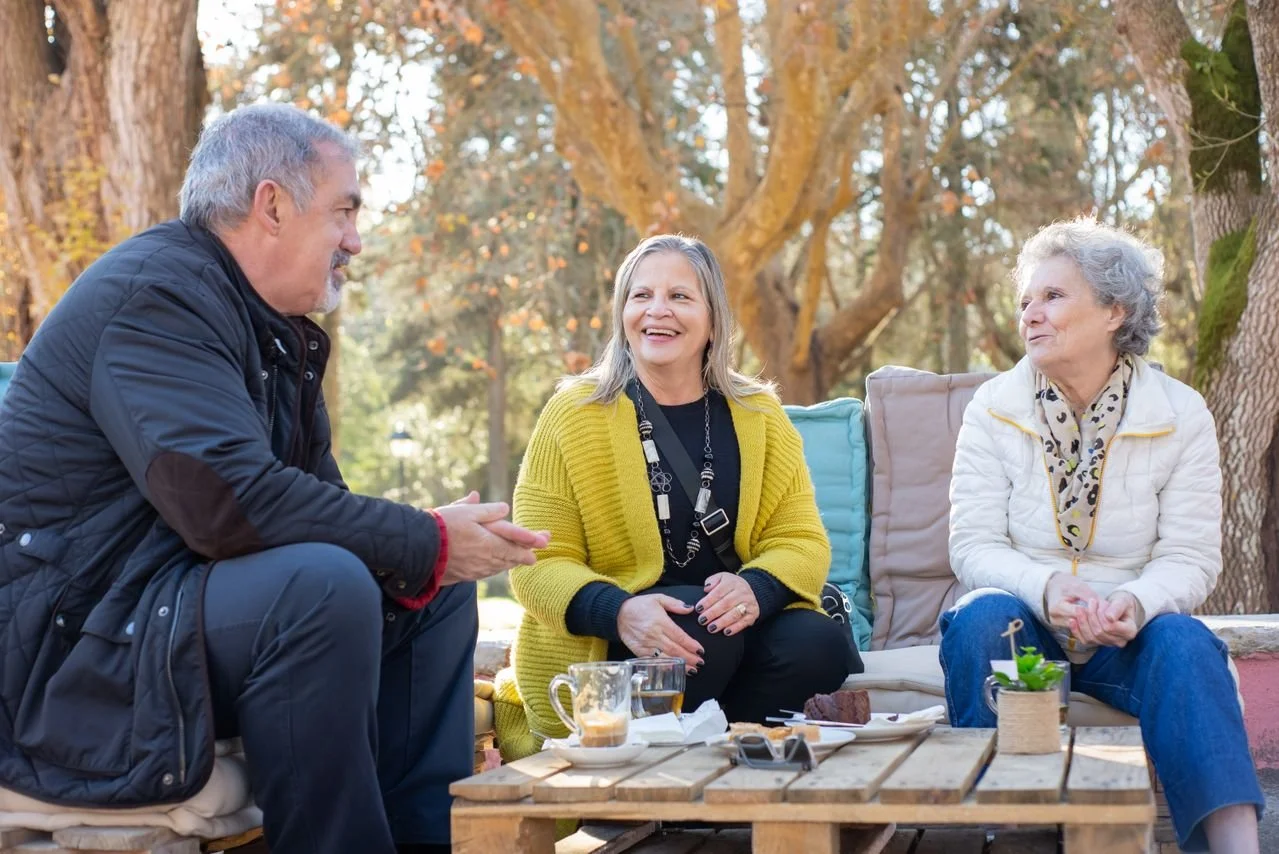
Isolation is a genuine health risk. Not a minor inconvenience — a serious one. And for older adults living alone, it's remarkably common. Independent Living Communities address this head-on through life enrichment programs that form the core of what makes them appealing. Fitness classes. Art workshops. Book clubs, cooking classes, cultural outings. Neighbors who share similar interests and life stages. Many communities also feature fitness centers, walking trails, pools, and organized trips to restaurants or entertainment venues. AARP research has consistently shown that social connection in later life drives better physical health, sharper mental well-being, and higher overall life satisfaction. That's not a small thing. These communities build connection into the structure of daily life.
Access to Services Without Full-Time Care
Here's where Independent Living gets smart. Residents manage their own daily lives — but optional services are available when circumstances call for them. Transportation, meal delivery, medication reminders, help coordinating medical appointments. None of it is forced on anyone. You take what you need, skip what you don't. For retirees exploring options around the greater Austin area, Independent Living with supportive services** in Cedar park, TX offers exactly this kind of flexible, on-demand support while leaving daily routines entirely intact. That balance matters — to residents and to their adult children, who want assurance that help is close by without hovering. Full independence, with professional backup available whenever it's wanted.
Financial and Lifestyle Flexibility
One monthly fee. That's often the financial reality of Independent Living — and for retirees on fixed incomes, predictability is worth a lot. Property taxes, home insurance, utilities, repairs, yard maintenance — gone. Replaced by a single, manageable payment covering housing and most services. Many older adults discover their overall housing costs actually drop after making the move. That freed-up money goes toward travel, hobbies, time with family. The lifestyle angle is just as compelling. Downsizing from a family home doesn't have to mean sacrificing comfort. And extended trips? No longer a logistical headache. Lock up and go. No worrying about the house sitting empty or managing it from a distance. Financial clarity plus genuine freedom — that's a combination that resonates.
Conclusion
The rise of Independent Living Communities signals something real: older adults have fundamentally changed how they think about retirement. They're not retreating. They're choosing active, purposeful lives with the social richness and personal autonomy to match. Home maintenance disappears. Enriching programs and genuine friendships take its place. Flexible services step in when needed, without overwhelming anyone who doesn't need them. The financial predictability helps, too — especially on a fixed income. As more retirees prioritize health, connection, and meaningful choice, Independent Living Communities keep earning their place as an option that genuinely respects what aging adults can do and what they deserve in this chapter of life.