Smart Technologies Shaping the Future of Dermatology Equipment
The field of dermatology is a careful balancing act. Dermatologists are one of the only medical fields that have to balance aesthetics with medical efficacy. They also need to use standardized equipment to develop personalized treatment plans, as skin differs vastly from one patient to another.
Smart technologies are crucial in helping dermatologists navigate this balance and deliver accurate, effective patient care. Scientific advances have developed effective treatments for conditions that were once difficult to manage, let alone treat. Other new technology makes it possible to treat skin with minimal invasiveness.
Here are some of the latest cutting-edge innovations that are assisting dermatologists with their work.
Technologies for Minimally Invasive Biopsy and Diagnosis Procedures
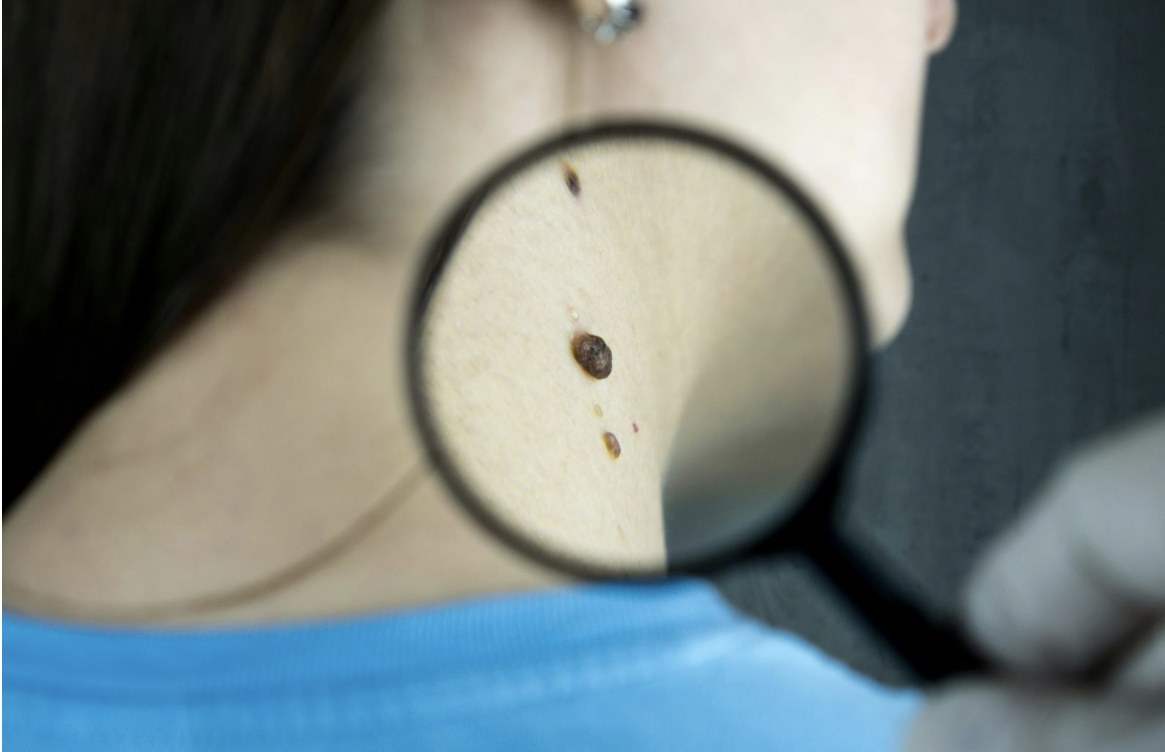
Although most people think of cosmetics first when they think of dermatology, the goals of these doctors are not just to help patients look good. They diagnose and treat potentially dangerous diseases, including melanomas and skin cancer.
Thanks to smart technology, treating these diseases is even easier because of non-invasive diagnostic treatments. That is why the experts at Amtech Medical recommend that every modern dermatology practice have an up-to-date microtome. These machines work by extracting thin slivers of skin tissue, making the diagnostic process fast and painless.
Microtomes allow doctors to get faster results when analyzing a potentially cancerous growth, making early intervention possible.
Laser Equipment Cutting New Frontiers in Dermatology
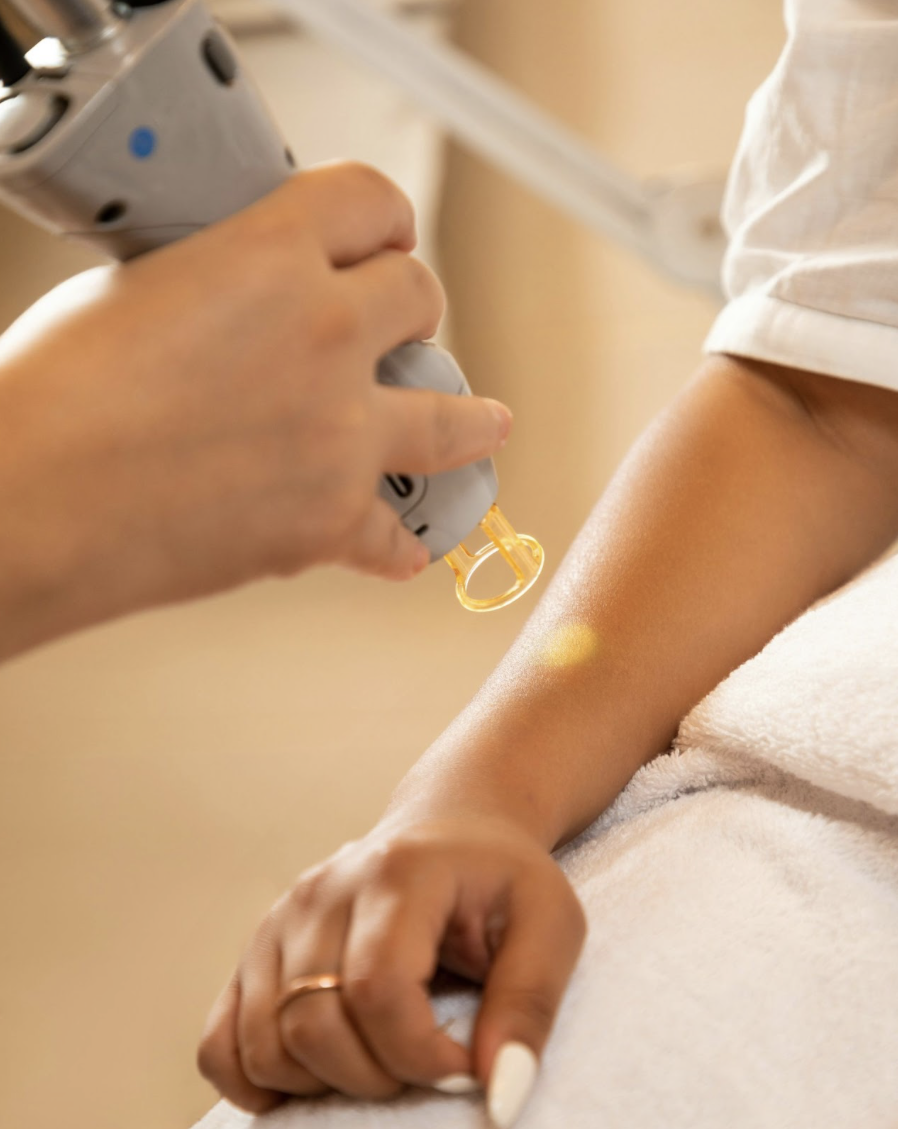
Maybe the most significant smart technology in dermatology is the development and perfection of laser therapy, which has revolutionized cosmetic dermatology. Thanks to laser skin resurfacing, dermatologists can remove blemishes, scars, and pockmarks that are resistant to OTC treatment and topical creams. Everyone can have smoother skin thanks to lasers in dermatology.
Laser treatments also have an important medical role. Dermatologists use them to treat chronic skin conditions such as rosacea, prevent future flare-ups, or treat patients after they have experienced burns.
Although laser treatments have existed for decades, new smart technologies have made them more effective and reduced the risk of side effects. Modern patients experience less pain and discomfort.
Advanced Cryostats Speed Up the Diagnostic Process
No patient wants to spend days waiting for the result of a test determining if they have cancer or not. Rapid diagnosis is particularly important for dermatology, where diagnosis and treatment are often done on the same day. For potential cases of skin cancer, early intervention is vital.
Cryostats are crucial in helping dermatologists rapidly diagnose cancerous cells. For over a century, oncologists have used this machine, which freezes tissue samples at a consistently low temperature, to examine samples under a microscope as soon as possible.
Modern cryostats allow doctors to take smaller sample sizes and lower temperatures, improving the precision of the diagnostic process. It’s important that your office has the latest in diagnostic technology to provide the most effective patient care.
The Cutting Edge of Technology in Dermatology
New developments in medical technology have helped dermatologists improve the diagnostic process and perform common procedures with minimal invasiveness. For patients, this means better results and a higher standard of care.
The best dermatologists follow the latest developments in their field and adjust their practices as necessary, including buying new equipment to replace outdated machines and maintaining their equipment. A reliable medical supplier plays a vital role in patient care, even if they mostly operate behind the scenes.