Austin Roofing: What to Know Before Planning a Repair or Replacement
Your roof is one of the most critical components of your home, yet many homeowners in Austin put off thinking about its condition until a problem becomes impossible to ignore. Whether you're dealing with a minor leak, storm damage, or planning a full replacement, understanding the basics of Austin roofing before you take action can save you time, money, and stress. The decision to repair or replace your roof involves several factors specific to Austin's climate, local building codes, and the unique challenges that come with owning property in Central Texas.
Understanding Austin's Climate Impact on Roofing
Austin's weather patterns create specific demands on roofing materials and installation practices. The region experiences intense summer heat with temperatures regularly exceeding 95 degrees Fahrenheit, combined with occasional severe storms that bring high winds and hail. This combination of extreme heat cycles and sudden weather events takes a toll on roofs faster than in many other parts of the country. Homeowners should understand that the hot sun causes roofing materials to expand and contract repeatedly, which can lead to premature deterioration of shingles and sealants.
The humidity levels in Austin also play a significant role in roof longevity. When moisture gets trapped under roofing materials, it can promote the growth of algae and mold, which weaken the structural integrity of the roof over time. Additionally, Austin's occasional ice storms and freezing rain can cause water to back up under shingles, leading to water damage inside the attic and upper floors of the home. Homeowners who recognize these climate factors early can make better decisions about material selection and maintenance schedules that extend their roof's lifespan.
Recognizing When Your Roof Needs Attention
Knowing the warning signs that your roof needs repair or replacement helps you avoid more expensive damage down the road. Visible damage such as missing or curled shingles, exposed wood, or visible dark streaks across the roof surface are clear indicators that professional inspection is needed. Some damage is obvious from ground level, but professional roofers have tools and expertise to identify hidden problems like deteriorated flashing, compromised underlayment, or structural weakness that an untrained eye might miss.
The age of your roof is another critical factor to consider. Most asphalt shingle roofs, which are common in the Austin area, typically last between fifteen and twenty-five years depending on maintenance and weather exposure. If your roof is approaching fifteen years old, scheduling a professional inspection becomes increasingly important, even if you don't see obvious damage yet. Interior signs of trouble can be equally telling: water stains on ceilings, insulation that appears wet or discolored, or daylight visible through gaps in the attic all suggest that your roof's protective barrier has been compromised.
The Repair Versus Replacement Decision
Deciding whether to repair or replace your roof depends on several interconnected factors. A single damaged area or a small section affected by storm damage might be perfectly suited to repair, especially if the rest of the roof is still in good condition. However, if multiple areas of your roof show signs of age or damage, replacement becomes a more cost-effective long-term solution because you're addressing the entire problem rather than patching individual sections that may fail soon after.
The cost comparison between repair and replacement must account for future maintenance. A roof that requires frequent repairs will eventually cost more over time than a single replacement would have cost upfront. Professional roofers can provide detailed assessments that include photos, damage descriptions, and clear recommendations, allowing homeowners to make informed decisions about whether to invest in repairs or proceed with full replacement. Consider also that a new roof can increase your home's resale value and may improve energy efficiency depending on the materials chosen.
Working With Local Austin Roofers
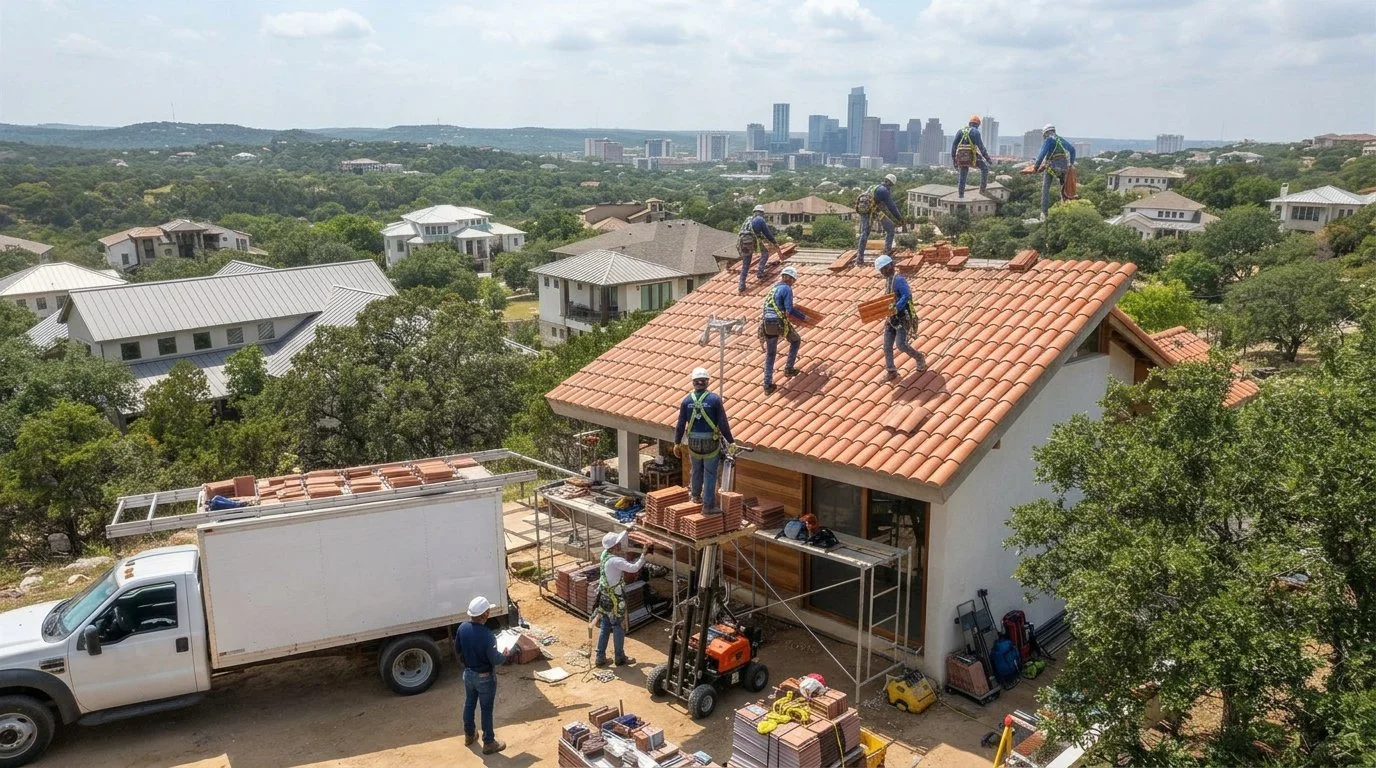
Finding qualified Austin roofing requires careful consideration of several factors. Look for roofers who hold proper licensing and insurance coverage, as these credentials ensure they meet state requirements and can protect your home in case of accidents during work. Many Austin roofers specialize in particular roofing types or materials, so matching their expertise with your home's specific needs is important. Ask potential contractors for references from recent Austin projects, and contact those homeowners to ask about their experience.
Understanding the typical process when working with local roofers helps set realistic expectations for your project. Most reputable roofers will conduct a thorough inspection, provide a written estimate that details all work to be performed, and discuss timeline and potential weather-related delays. Storm season in Central Texas sometimes creates backlogs for roofing services, so scheduling during slower periods may offer flexibility. Clear communication about cost, timeline, materials, and warranty coverage before work begins prevents misunderstandings and ensures a smoother experience.
Understanding Warranty and Coverage Options
Roofing warranties come in several forms, and understanding the differences protects your investment. Manufacturer's warranties typically cover defects in the roofing materials themselves and usually last between ten and thirty years depending on the product. Labor warranties, provided by the roofing contractor, cover the quality of installation work and typically last shorter than material warranties, often between one and ten years. Some Austin roofers offer extended warranties or guarantees on their workmanship, which can provide additional confidence about the quality of their installation.
Homeowner's insurance and roofing coverage is another important consideration for Austin residents. Your homeowner's insurance policy covers sudden damage from covered events like hail or storms, but not damage from age, wear and tear, or lack of maintenance. Before filing a claim, review your policy's terms carefully or contact your insurance agent to understand your deductible and what types of damage are covered. Having documentation of regular roof maintenance can strengthen insurance claims by showing that damage resulted from an unexpected event rather than neglect. After significant storm damage, getting your roof inspected quickly and documenting damage with photos and professional assessments creates a strong foundation for the insurance claim process.
Conclusion
Planning a roof repair or replacement in Austin requires knowledge about the region's specific climate challenges, honest assessment of your roof's current condition, and careful evaluation of repair versus replacement costs. Taking time to understand when professional attention is needed, working with qualified local contractors, and knowing what warranties and insurance coverage you have in place puts you in control of the decision-making process. Your roof protects everything you value in your home, making it worth the effort to approach repairs and replacements thoughtfully. By gathering information and consulting with experienced professionals before moving forward, you can make decisions that keep your Austin home safe and secure for years to come.