Home Upgrades That Can Improve Comfort and Efficiency
Making thoughtful home upgrades can improve everyday comfort while helping homeowners use energy and resources more efficiently. From temperature control to outdoor living spaces, relatively simple improvements can make a home more functional and enjoyable. Understanding which upgrades offer practical benefits can help homeowners prioritize projects based on their needs and goals.
Installing a Smart Thermostat
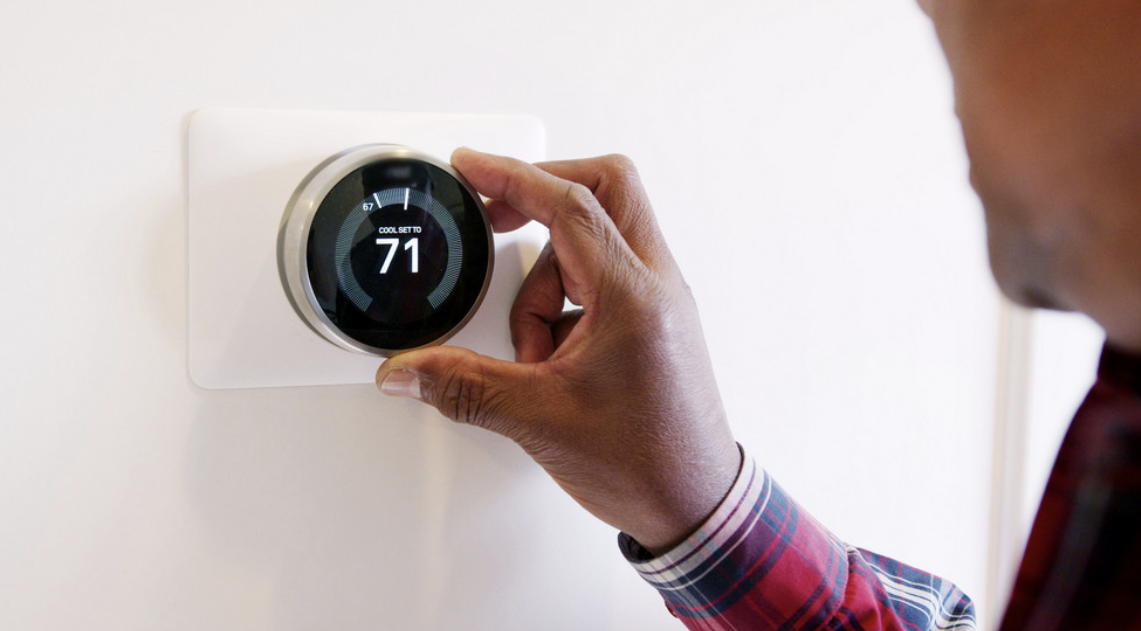
A smart thermostat can make it easier to manage indoor temperatures while reducing unnecessary heating and cooling. These devices can learn household routines, adjust temperatures automatically, and allow homeowners to control settings remotely through a smartphone.
Smart thermostats have also become increasingly common in American homes. According to Webinar Care, 33 million homes in the U.S. have smart thermostats. This growing adoption reflects the convenience these devices can provide. Homeowners can schedule temperature changes around their daily routines, helping avoid heating or cooling an empty house for extended periods.
Improving Water Heating Efficiency
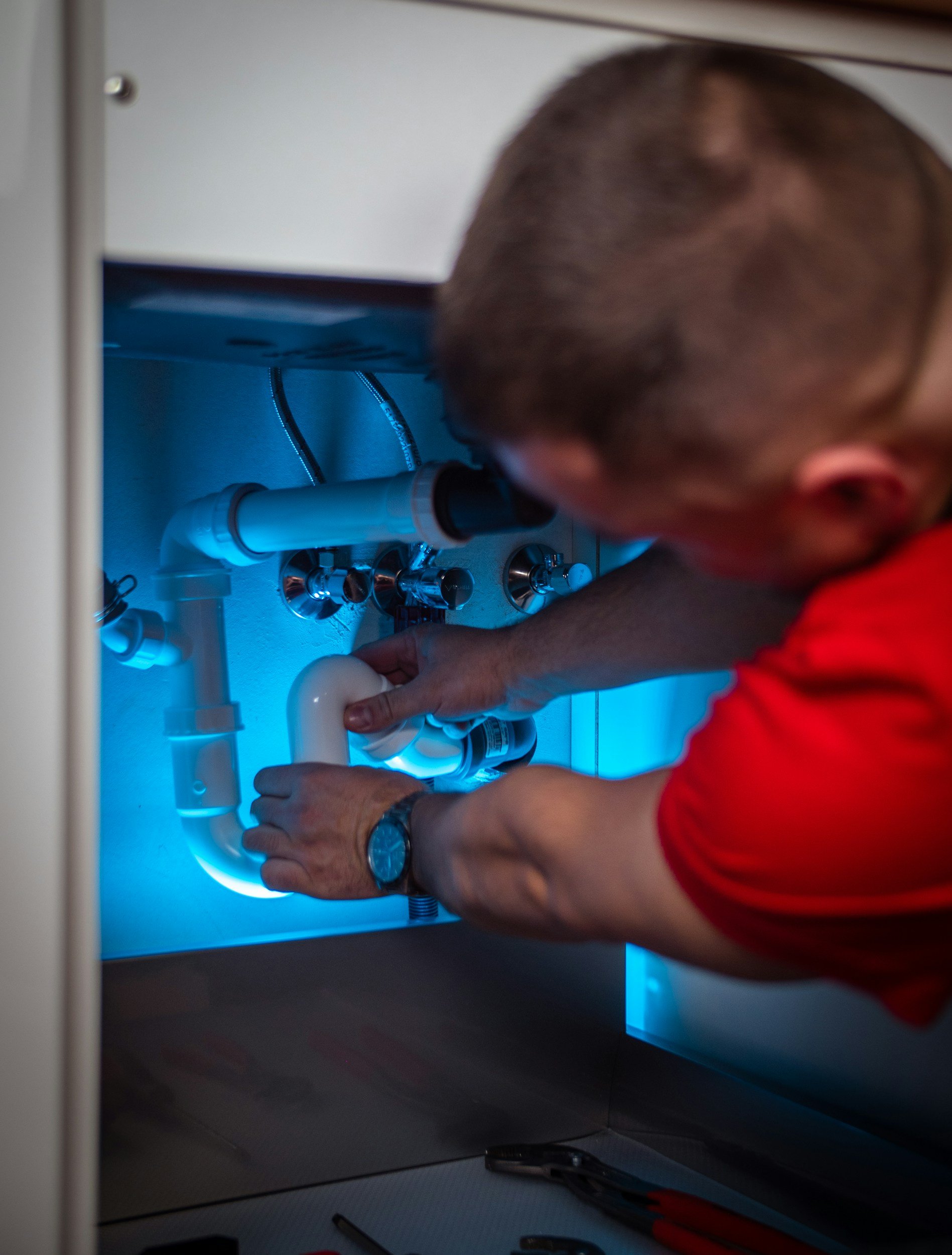
Water heating is another area where an upgrade can affect both comfort and household energy use. Replacing an aging water heater with a more efficient model can help provide reliable hot water while potentially reducing the energy required to heat it. Homeowners can also consider insulating hot-water pipes and addressing leaks to improve system performance.
According to This Old House, heating water makes up approximately 14%–18% of a home's total energy expenses. Because water heating represents a notable portion of household energy use, improving the efficiency of this system may be a practical upgrade for homeowners looking to manage their energy consumption.
Adding or Improving a Patio
Outdoor improvements can also contribute to a home's overall functionality. A well-designed patio can create additional space for relaxing, dining, or entertaining without requiring a major addition to the home's interior. Features such as comfortable seating, shade structures, and appropriate lighting can make the space more useful throughout the year.
Patios are already a common feature in new residential construction. A recent survey from the National Association of Home Builders found that roughly 63% of newly built homes included patios. Adding or improving one can give homeowners another area to enjoy while expanding the home's usable living space.
Upgrading Windows and Doors
Older windows and exterior doors can allow conditioned air to escape, making it more difficult to maintain comfortable indoor temperatures. Replacing outdated units with energy-efficient options can improve insulation and reduce drafts. Weatherstripping and caulking can also address smaller gaps around existing windows and doors.
Homeowners should consider the age and condition of these features when deciding whether replacement is worthwhile. Signs such as noticeable drafts, condensation between window panes, or difficulty opening and closing windows may indicate that an upgrade could improve comfort.
Choosing Upgrades That Fit Your Home
Not every home requires the same improvements. Homeowners should consider factors such as the property's age, existing systems, climate, budget, and daily routines when determining which upgrades make the most sense. A smart thermostat may be useful for a household with changing schedules, while better insulation may be a priority for a home with inconsistent indoor temperatures.
The most effective approach is often to address upgrades that solve specific comfort or efficiency concerns. By evaluating how a home currently performs and identifying areas for improvement, homeowners can make informed decisions rather than taking on unnecessary projects.
Home upgrades can do more than change a property's appearance. Improvements to temperature control, water heating, outdoor spaces, windows, and doors can make everyday living more comfortable while supporting more efficient home operation. By prioritizing projects that address their home's specific needs, homeowners can create a space that is both more comfortable and practical for the years ahead.