You Smell Gas in the House: Why the First Few Minutes Decide How Serious This Gets
A faint rotten-egg smell inside the home is one of those moments where people often hesitate. It may seem mild, it may come and go, and it is easy to wonder whether it is really gas or just something from the bin, drain or street. That hesitation matters. Natural gas has an odour added so leaks can be noticed quickly, and the first few minutes are less about panic and more about doing the right things in the right order. For Sydney households, especially in older homes, strata buildings and properties with several gas appliances, a suspected leak should never be treated like an ordinary maintenance issue. The safest response is to reduce ignition risk, move people away from the hazard if needed, and arrange licensed testing by a gas plumber Sydney homeowners can rely on for proper fault finding.
Why a Gas Smell Should Not Be Dismissed
Gas itself is not something most people can see, and a small leak may not make any noise. The warning odour is there because even a minor leak can build up in a closed room, cupboard, subfloor space or kitchen area. A smell near a cooktop may point to a loose fitting, faulty appliance connection or burner that has not shut off properly. A smell near a meter, hot water unit or wall cavity may suggest a different kind of fault. What makes gas leaks tricky is that the strongest smell is not always at the exact source. Airflow, open windows, extraction fans and the layout of a home can move the odour around. That is why guessing, sniffing around with a torch or pulling appliances apart can create extra risk rather than clarity.
The Safe First Response Window
The first response should be calm and simple. Do not flick light switches on or off, do not use matches or lighters, and avoid turning on electrical appliances in the affected area. If it is safe to do so, open doors and windows to allow ventilation, but do not spend time searching for the leak. If you know where the gas meter or isolation valve is and can reach it safely, turning the supply off can help reduce the risk. If the smell is strong, people feel unwell, or the source is unclear, leave the property and call for help from outside. The goal in those first minutes is not to diagnose the problem. It is to stop doing anything that might create a spark and get everyone to a safer position.
Common Mistakes That Make the Situation Riskier
Many household reactions are understandable but unsafe. Some people turn on extra lights to look behind appliances. Others switch on an exhaust fan, use a phone right next to the suspected leak, or move a fridge, oven or heater to see whether a hose has come loose. These actions may feel practical, but they can introduce ignition sources or damage the connection further. Another common mistake is waiting to see whether the smell disappears. A smell that fades after a window is opened does not prove the fault has fixed itself. It may only mean the gas has dispersed temporarily. If the leak continues, the same conditions can return later, including overnight when the house is closed up and people are asleep.
What a Licensed Gas Plumber Checks
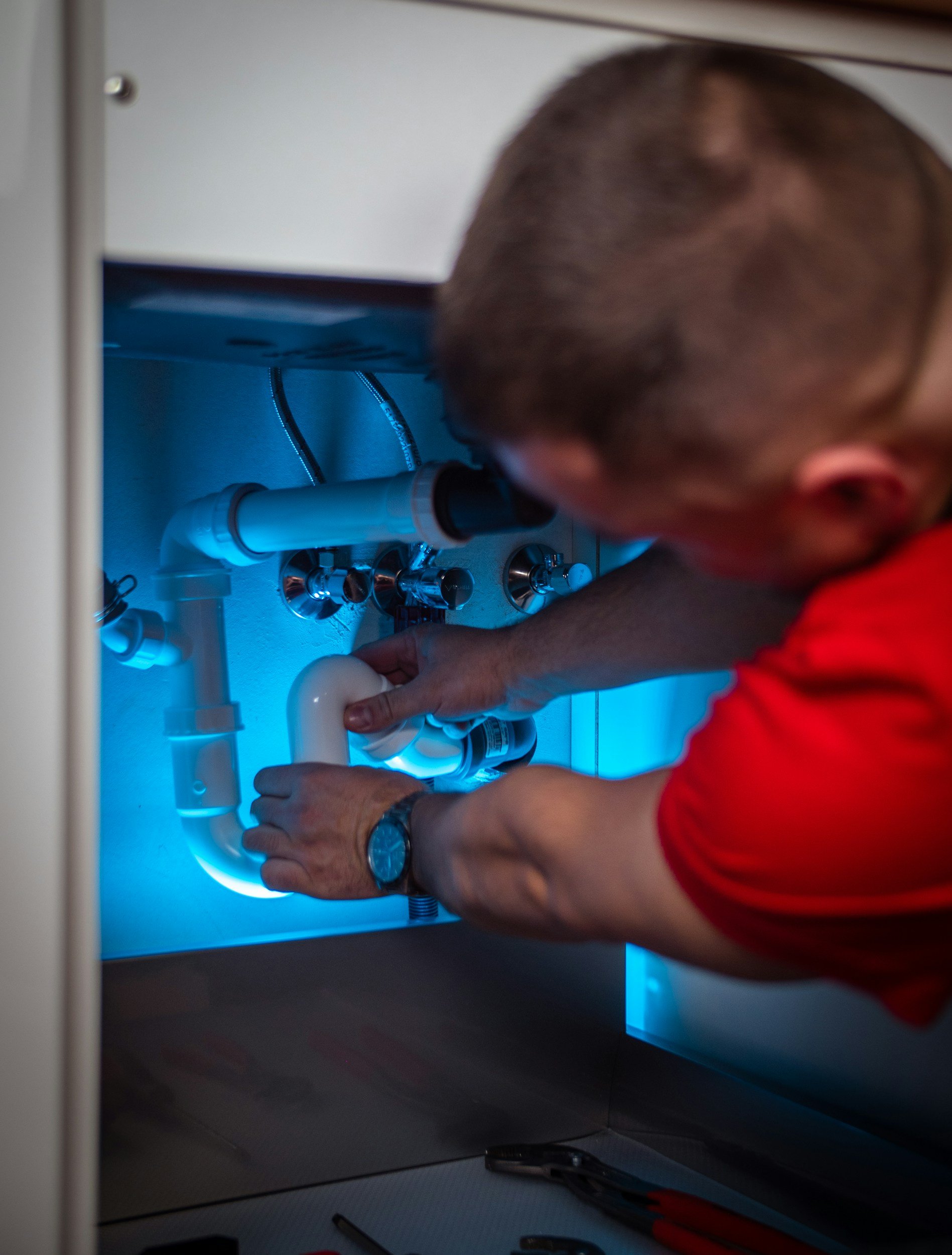
A licensed gas plumber does not rely on smell alone. They can isolate parts of the system, pressure test the line, inspect appliance connections, check valves and fittings, and look for faults that are not visible from the outside. In some cases, the issue may be a loose connection or ageing flexible hose. In others, the pipework may be damaged, poorly supported or affected by corrosion. The plumber also considers ventilation, appliance condition and whether incomplete combustion is a concern. This matters because sealing the obvious leak is only one part of the job. The system needs to be safe when it is turned back on, and that requires testing rather than guesswork.
Why Gas Work Is Not a DIY Repair
Gas fitting is licensed work because the consequences of a small mistake can be serious. A connection that seems tight can still leak under pressure. A fitting that looks compatible may not be approved for that appliance. An appliance that ignites may still burn poorly if ventilation or gas pressure is wrong. Unlike a dripping tap, an incorrect gas repair can put the whole household at risk and may create insurance or compliance issues later. Homeowners can help by knowing where the meter is, keeping appliance areas accessible and acting quickly when a smell appears. They should not try to tighten, tape, seal or alter gas fittings themselves.
Preparing Your Household Before There Is a Problem
Gas safety is easier when everyone in the home knows the basics before a leak occurs. Learn where the gas meter or isolation point is located, keep the area clear, and make sure adults in the household know when to leave rather than investigate. If you manage a rental or strata property, clear instructions can prevent tenants or residents from trying unsafe fixes. It also helps to have gas appliances serviced when they are ageing, producing unusual smells, burning with an odd flame, or becoming unreliable. These checks do not make leaks impossible, but they reduce the chance of hidden faults going unnoticed.
Conclusion
A gas smell in the house does not need panic, but it does need the right response. Ventilate if safe, avoid sparks, isolate the supply if you can do so safely, and leave the property if the smell is strong or the source is unclear. Once the immediate risk is managed, the leak needs proper licensed testing and repair. For Sydney homeowners, landlords and property managers, calling a qualified gas plumber Sydney households trust is the sensible next step when gas is suspected. Acting early keeps a small warning sign from becoming a more serious hazard.